How to Prune Blueflower eryngo?
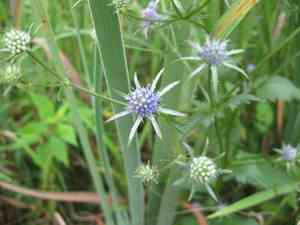
Eryngium planum, known for its pointed foliage and striking azure blossoms, benefits from pruning. Perform this task in early spring or late winter to eliminate deceased or compromised stalks and stimulate fresh development. Cut back faded flower stems to preserve aesthetic appeal and encourage additional flowering. Consistent trimming enhances air movement and diminishes the likelihood of infestations. Employ sharp, sanitized implements to avert illness and refrain from severing the lignified branches. Appropriate and timely pruning cultivates a more vigorous and thriving specimen.
What Are the Benefits of Pruning Blueflower Eryngo?
What Are the Benefits of Pruning Blueflower Eryngo?
Blueflower eryngo thrives with trimming, leading to vigorous growth and shape retention. Pruning encourages new shoots, boosts overall plant health, and ensures a well-formed appearance, enhancing its beauty and resistance to pests and diseases.
What Is the Best Time for Pruning Blueflower Eryngo?
What Is the Best Time for Pruning Blueflower Eryngo?
Trimming blueflower eryngo in early spring or late winter is optimal as it coincides with the plant's dormant phase, minimizing stress and fostering healthy regrowth. During these periods, blueflower eryngo has not yet initiated its active growth, simplifying shaping and management without disrupting its bloom cycle. Pruning during dormancy helps avert disease and promotes abundant flowers in the upcoming growing season.
What Tools Do I Need to Prune Blueflower Eryngo?
Bypass Pruners
Perfect for clean cuts on living stems and foliage. They help reduce harm to blueflower eryngo and encourage healthy development.
Gloves
Crucial for safeguarding hands from blueflower eryngo's spiky stems during trimming.
Hand Shears
Useful for precise cutting and shaping blueflower eryngo without excessive plant damage.
Long-Handled Loppers
Helps reach deeper into the plant's core without risk of injury from its thorny leaves.
Pruning Saw
Essential for removing thicker stems that smaller tools might not handle effectively.
How to Prune Blueflower Eryngo
Inspection
Carefully check blueflower eryngo for any visible signs of illness or wilting on its leaves. Look for discoloration, spots, or shriveled areas.
Tool preparation
Prepare sharp and sanitized garden shears or scissors. Clean tools with rubbing alcohol to prevent disease transmission.
Trimming diseased leaves
Gently remove any diseased leaves. Cut as close to the healthy base as possible without harming surrounding healthy tissue.
Removing withered leaves
Remove withered or dead leaves by cutting them at their base. This helps the plant conserve energy and promotes healthier growth.
Disposal
Dispose of all trimmed parts away from the garden area to prevent any disease from spreading. Do not compost diseased leaves.
Common Pruning Mistakes with Blueflower Eryngo
Incorrect technique
Using dull or unclean pruning tools can harm the plant, causing tears instead of clean cuts. This can make blueflower eryngo more vulnerable to disease and pests.
Poor timing
Pruning at the wrong point in the plant's growth cycle can stress blueflower eryngo, impeding its development and reducing its flowering potential.
Over-pruning
Removing too much foliage can weaken blueflower eryngo, as it requires sufficient leaves for photosynthesis. Excessive pruning can also diminish the plant's ability to produce flowers.
Ignoring plant structure
Disregarding the plant's natural form and growth habit can result in an unbalanced and unattractive appearance.
Common Pruning Tips for Blueflower Eryngo
Use sharp tools
Always use sharp and clean pruning tools to make precise cuts. This helps prevent infections and promotes quicker healing.
Know where to cut
Make cuts just above a node or a leaf junction to encourage new growth from that point. Avoid cutting too close to the node to prevent damage.
Remove dead or diseased parts
Regularly remove any dead, diseased, or damaged stems and leaves. This not only improves the appearance of blueflower eryngo but also prevents the spread of potential diseases.
Maintain plant shape
Trim to maintain blueflower eryngo's natural shape. Focus on removing straggly growth and shaping the plant to encourage a more robust and fuller appearance.
Moderation is key
Prune lightly and regularly rather than making drastic cuts. Gradual pruning is less stressful for blueflower eryngo and promotes steady growth.



