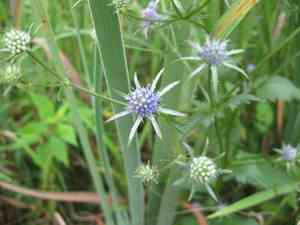
Blueflower eryngo (Eryngium integrifolium)
Also known as: Bluejackets, Blue Thistle
Blueflower eryngo (Eryngium planum) is a striking perennial with unique, less divided foliage and firm, spiky flower heads. This plant thrives in full sun and prefers well-drained soil, making it ideal for gardens with sandy or loamy soil types. Its drought tolerance ensures it performs well in dry conditions, making it a great option for xeriscaping. Avoid over-fertilizing and overwatering, as this can hinder its growth and flowering. Providing some wind protection will help maintain the structural integrity of its stems.
In This Article
Attributes of Blueflower eryngo
Lifespan
Perennial
Plant Height
1 to 3 feet (30 to 90 cm)
Spread
1 to 2 feet (30 to 60 cm)
Leaf Color
Green
Flower Size
0.5 to 1 inch (1 to 2.5 cm)
Flower Color
Blue to Purple
Images of Blueflower eryngo
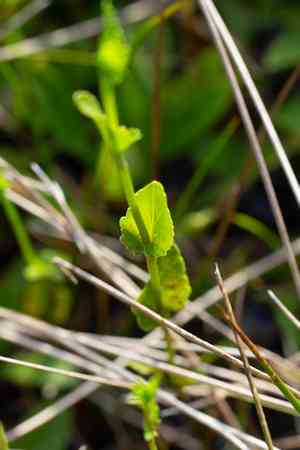
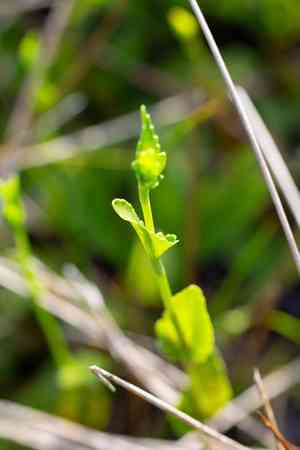

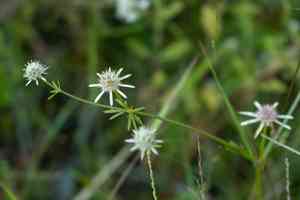
Quickly Identify Blueflower eryngo
1
Identify Eryngium integrifolium by its sharp, spiny leaves and vibrant blue to purple flower heads that bloom in summer. The plant has a rosette of basal leaves and tall flowering stems.
Scientific Classification of Blueflower eryngo
Phylum
Vascular plants
Class
Dicotyledons
Order
Apiales
Family
Umbellifers
Genus
Eryngos
Species
Blueflower eryngo
Planting and Growing of Blueflower eryngo
Care Difficulty
Easy
Watering Schedule
Every 3 days
Sunlight Requirements
Full sun
Sunshine Duration
4-6 hours
Ideal Temperature
60-75℉
Soil Type
Potting Mix, Peat Mix
Soil pH
5.5-7.5
Fertilizer Type
Balanced
Pruning Season
Spring, Summer
Pruning Area
Branches, Leaves
Pruning Frequency
2 times a year
Repotting Season
Spring
Pot Type
Plastic, Terracotta
 How to Water Blueflower eryngo?
Eryngium integrifolium thrives with moderate watering. Ensure the soil remains moist but not waterlogged. Aim to provide around 150 ml of water per session, soaking the soil until it's damp but not dripping excess water.
What are the symptoms of an underwatered Blueflower eryngo?
›
What should I do if my Blueflower eryngo is not getting enough water?
›
What are the symptoms of an overwatered Blueflower eryngo?
›
How to save an overwatered Blueflower eryngo?
›
 What Are the Sunlight Requirements for Blueflower eryngo?
Accepting both full and partial sun, Eryngium integrifolium benefits most from a consistent pattern of 6-8 hours of sunlight daily. Ideal sunlight encourages hardy development and boosts prolific flowering, showcasing its unique aesthetic.
What is the best lighting condition for Eryngium integrifolium?
›
How can ideal sunlight exposure be achieved?
›
What benefits arise from optimal sunlight exposure?
›
 What Is the Ideal Temperature Range for Blueflower eryngo?
The ideal temperature range for Eryngium integrifolium is between 60°F and 75°F. This range promotes optimal growth, allowing the plant to thrive and develop its characteristic structure. Maintaining this temperature range ensures the plant utilizes nutrients efficiently and supports healthy photosynthesis.
 What Soil is Best for Blueflower eryngo?
Eryngium integrifolium requires a well-draining soil to prevent root rot. This ensures the plant's roots get enough oxygen and avoid stagnation in water-logged conditions. This plant thrives in soil with moderate nutrient levels, avoiding over-fertilization which can lead to weak growth. Balanced nutrients support robust root development and vibrant foliage. While preferring well-draining soil, it also benefits from soil that can retain some moisture, helping the plant to withstand dry periods without wilting.
 How to Fertilize Blueflower eryngo?
Eryngium integrifolium prefers a modest amount of fertilizer. It thrives with a half-strength liquid fertilizer, making sure not to exceed one cup per application. Over-fertilizing can harm the plant and lead to reduced flowering.
 How to Prune Blueflower eryngo?
Start by sterilizing your pruning shears with rubbing alcohol to prevent any disease transmission. Identify dead, damaged, or diseased stems and cut them at their base. Remove the faded flowering stems to encourage new growth and to tidy up the overall plant appearance. For shaping, trim gently around the edges to maintain a bushy and dense form. Be sure to make clean, precise cuts to minimize stress on the plant.
More About Pruning Techniques→
 How to Propagate Blueflower eryngo plant?
1
Use a well-draining medium for all propagation methods. Mix potting soil with sand or perlite to improve drainage and create an ideal environment for root development.
2
Sow seeds thinly on the surface of the soil and lightly cover them. Maintain consistent moisture and provide indirect sunlight for successful germination.
3
Select healthy, non-flowering stems for cuttings. Cut 5-10 cm sections, including at least one node, and remove lower leaves. Dip in rooting hormone before planting.
 How to Repot Blueflower eryngo plant?
1
Repot Eryngium integrifolium when you notice the plant outgrowing its current pot, with roots appearing at the drainage holes. Another signal is if the growth slows down despite optimal care, or the potting soil starts to degrade, losing its structure and drainage qualities.
2
Select a pot that is one size larger than the current one, ideally made from breathable materials like terracotta. This helps in maintaining proper aeration for the roots, preventing waterlogging and root rot, and encourages healthy growth.
3
Opt for a well-drained sandy loam mix to ensure adequate drainage and root aeration. This soil type mimics the plant's natural habitat, helping to prevent overwatering issues and promoting robust root development and nutrient uptake.
Learn More About Blueflower eryngo Diseases
Anthracnose
Bacterial Leaf Spot
Bacterial Soft Rot
Bacterial Wilt
Black Spot
Chemical Injury
Crown Gall
Cyst Nematode
Damping-off
Downy Mildew
Drought Stress
Fusarium Wilt
Gray Mold
Leaf Spot
Mosaic
Nutrient Deficiency
Nutrient Toxicity
Powdery Mildew
Root Rot
Root-knot Nematode
Rusts
Sooty Mold
Spider Mites
Temperature Stress
Thrips Damage
White Mold



