How to Transplant Field eryngo?
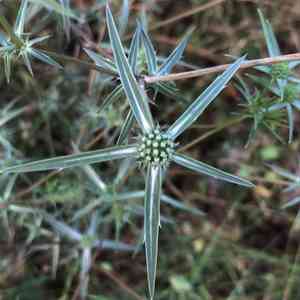
For best results, relocating field eryngo is most successful as the cold of spring recedes, giving way to milder, pleasant weather. Select a growing medium that drains effectively and receives ample sunlight. A crucial piece of advice: attentive nurturing after transplanting assists in strong adaptation.
What Preparations are Needed Before Transplanting Field Eryngo?
What is the Ideal Time for Transplanting Field Eryngo?
The best time to move field eryngo to its new spot is from the start of spring's warmth until the beginning of mild summer days. Relocating field eryngo during this period helps prevent transplant shock, using the moderate weather for good root establishment. The gentle temperatures and increased moisture at this time provide field eryngo with a supportive environment, encouraging strong growth and blooming. By choosing this optimal window, you're setting field eryngo up for a successful start in its new home.
How Much Space Should You Leave Between Field Eryngo Plants?
Allow your field eryngos ample room to thrive! Aim for a spacing of approximately 12-16 inches (30-40 cm) between them. This will provide sufficient area for growth without competition for nutrients or sunlight.
What is the Best Soil Mix for Field Eryngo Transplanting?
Before moving your field eryngos, prepare the soil carefully! Look for soil that drains well and mix in some organic compost for added nutrients. A slow-release fertilizer will also give your field eryngos a good start in their new location.
Where Should You Relocate Your Field Eryngo?
Your field eryngos love sunlight â it's where they're happiest! Select a garden spot that receives full sun for most of the day. This bright location will help your field eryngos flourish and produce beautiful blooms.
What Equipments Should You Prepare Before Transplantation Field Eryngo?
Gardening Gloves
To safeguard your hands while handling soil and the plant.
Trowel
For digging small holes and precisely adjusting the transplant or removal area.
Shovel or Spade
For larger digging tasks to extract the plant from the ground or prepare the planting hole.
Watering Can or Hose
To hydrate field eryngo before and after its relocation.
Pruning Shears
To trim any dead or damaged roots or foliage as required.
Wheelbarrow or Garden Cart
For easily moving field eryngo and soil.
Garden Fork
For loosening soil around field eryngo's root ball.
Root Pruning Saw or Sharp Knife
If dividing the plant or cutting through tough roots becomes necessary.
How Do You Remove Field Eryngo from the Soil?
How Do You Remove Field Eryngo from the Soil?
From Ground: First, water field eryngo to moisten the soil, which helps lessen transplant shock. Use a garden fork to loosen the soil around the plant, and carefully dig a wide circle around the rootball to avoid root damage. Gently slide a shovel or spade beneath the rootball to lift field eryngo from the ground.From Pot: Water field eryngo in its pot to ensure the soil is damp. Tap and gently squeeze the pot's sides to loosen the soil's grip. Invert the pot and carefully ease field eryngo out into your hand, supporting the plant at its base and being careful not to pull on the stems.From Seedling Tray: Moisten the soil in the tray before removing seedlings. Use a trowel or your fingers to gently lift field eryngo from its individual cells, taking care not to harm delicate roots and stems.
Step-by-Step Guide for Transplanting Field Eryngo
Preparation of New Site
Prepare a hole in the chosen spot that is twice the width of field eryngo's root ball and of the same depth. Ensure ample room for root growth.
Roots Inspection
Examine field eryngo's rootball closely, removing any damaged or overly long roots to encourage healthy development.
Placement
Position field eryngo in the new hole, setting it at the same depth it was previously growing. Spread the roots outwards and gently cover with soil.
Soil Adjustment
After placing field eryngo in the hole, backfill with native soil or a mix of native soil and compost. Firm the soil around field eryngo to remove air pockets.
Watering
Water field eryngo thoroughly after transplanting to settle the soil around the roots and aid in recovery from shock.
Support Installation
If field eryngo is tall or top-heavy, install stakes or supports as needed to stabilize the plant while it establishes itself.
How Do You Care For Field Eryngo After Transplanting?
Monitoring
Keep a close watch on field eryngo for signs of transplant shock, which may appear as wilting leaves or a general decrease in vigor.
Watering
Ensure the soil remains moist to assist with root establishment. Adjust watering based on weather, more on hot days and less when it's cooler or rainy.
Mulching
Apply a layer of organic mulch around the base of field eryngo to help retain moisture, regulate soil temperature, and reduce weed competition.
Protection
Provide shade or wind protection if the weather is particularly hot, cold, or windy, as field eryngo can be sensitive during its adjustment period.
Troubleshooting Common Issues with Field Eryngo Transplantation.
What's the best timing to transplant field eryngo?
The ideal time for transplanting field eryngo is when temperatures are consistently warm, typically from late spring to early summer.
How far apart should I plant field eryngo seedlings?
Space field eryngo seedlings approximately 12-16 inches (30-40 cm) apart to allow sufficient room for growth.
Why is field eryngo wilting after transplanting?
Wilting can occur due to transplant shock. Ensure adequate watering and keep it out of direct sunlight for a few days.
How do I prepare the soil for field eryngo transplant?
Improve the soil with organic matter and ensure it drains well before transplanting field eryngo.
Can I transplant field eryngo during a hot day?
Transplant field eryngo on a cooler, overcast day to minimize stress on the plant.
Should I prune field eryngo before transplanting?
Lightly trim any damaged or overly long roots of field eryngo to encourage healthy growth.
How deep should I plant field eryngo's root ball?
Plant field eryngo's root ball at the same level it was in its previous container or ground.
What should I do if field eryngo's leaves turn yellow post-transplant?
Yellowing leaves might indicate overwatering or a lack of nutrients. Adjust watering and consider a mild fertilizer.
How do I water field eryngo after transplanting?
Water field eryngo deeply immediately after transplanting and then maintain consistent moisture without over-saturating.
Is mulching beneficial for field eryngo after transplanting?
Mulching helps maintain soil moisture and temperature, which is good for field eryngo's health after transplanting.



