How to Prune Field eryngo?
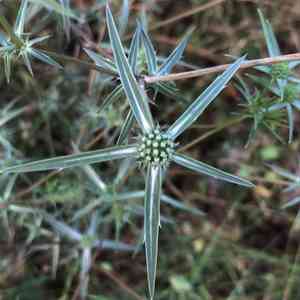
A member of the Apiaceae family, field eryngo is a perennial distinguished by its prickly leaves and thistle-like blossoms. Trimming is most effective after flowering to stimulate fresh development and preserve the plant's form. During spring, eliminate any deceased or compromised stems. In summer, pinch back the tips to achieve more compact foliage. Remove faded blooms to extend the flowering period or permit them to go to seed if preferred. Autumn pruning is not typically performed unless for aesthetic shaping. Consistent trimming prevents excessive density and fosters robust, thriving plants.
What Are the Benefits of Pruning Field Eryngo?
What Are the Benefits of Pruning Field Eryngo?
Trimming field eryngo promotes robust development and helps maintain its desired form. Well-timed cuts enhance air circulation and sun exposure, vital for its health and strength. This also enables gardeners to manage its size and preserve garden beauty.
What Is the Best Time for Pruning Field Eryngo?
What Is the Best Time for Pruning Field Eryngo?
Pruning field eryngo in Spring coincides with its post-dormancy growth surge, allowing the plant to recover quickly and produce new shoots. Early Summer trimming is advantageous for shaping the plant and removing faded flowers, which encourages reblooming and sustains vitality. Early Fall is also suitable for light pruning to remove any dead or diseased stemsâpreparing field eryngo for winter without stimulating new growth susceptible to frost damage. These periods ensure field eryngo's strong health, attractive shape, and do not disrupt its flowering or fruiting cycles.
What Tools Do I Need to Prune Field Eryngo?
Hand Pruners
Hand pruners, also known as secateurs, are perfect for cutting through field eryngo stems and branches up to 3/4 inches in diameter. They allow for accurate cuts, which is crucial for plant health.
Gardening Gloves
Gardening gloves are essential not only for protection against field eryngo's thorns and sharp foliage but also for maintaining a firm grip on pruning tools.
Pruning Saw
For thicker stems that hand pruners cannot manage, a pruning saw is necessary. It will enable gardeners to cut through branches over 3/4 inches thick without causing undue harm to field eryngo.
How to Prune Field Eryngo
Clean tools
Before starting, ensure all pruning tools are clean and sharp to prevent disease transmission to field eryngo.
Remove diseased material
Carefully remove any diseased leaves and branches from field eryngo using appropriate pruning shears. Make cuts at a slight angle to facilitate water runoff and prevent disease entry.
Clear dead material
Trim all withered leaves and dead branches to encourage healthy growth and improve air circulation within field eryngo's foliage.
Shape plant
Thin out the plant's center to shape field eryngo and allow light and air to better reach the inner stems.
Dispose of debris
Properly dispose of all removed plant material by discarding it away from field eryngo to prevent disease recurrence.
Common Pruning Mistakes with Field Eryngo
Over-pruning
Removing too much foliage from field eryngo can stress the plant, potentially leading to reduced vigor and fewer blooms.
Improper cutting
Making cuts that are either too messy or at the wrong angle can damage field eryngo's stems, inviting disease and hindering healthy regrowth.
Ignoring dead or diseased growth
Failing to remove dead or diseased growth can impede field eryngo's overall health and aesthetic appeal.
Not sanitizing tools
Pruning with dirty tools can spread diseases between plants. It is vital to sanitize tools before using them on field eryngo to prevent infection.
Neglecting tool sharpness
Using dull tools can damage field eryngo's stems, resulting in uneven cuts that may not heal properly.
Pruning in wet conditions
Pruning field eryngo when the plant or weather is wet can encourage the spread of diseases.
Common Pruning Tips for Field Eryngo
Clean cuts
Ensure clean and precise cuts are made just above leaf nodes or branching points to promote healthy regrowth in field eryngo.
Correct tool use
Use appropriate tools, such as hand pruners or shears, that are sharp and well-maintained to ensure clean cuts that heal quickly.
Deadheading
Regularly remove spent blooms (deadheading) to encourage field eryngo to produce new flowers and maintain vigor.
Disease removal
Promptly prune away any diseased or dead material from field eryngo to keep the plant healthy and prevent pathogen spread.
Tool sanitation
Clean and disinfect all pruning tools before and after use on field eryngo to prevent disease spread.
Shaping
Prune for shape and size control, keeping in mind field eryngo's natural habit to maintain an attractive and healthy plant.



