How to Transplant Texas stork's bill?
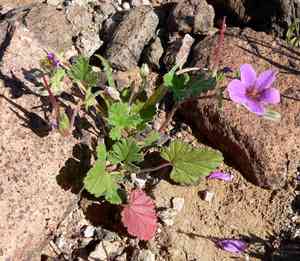
For texas stork's bill, relocation is most successful from the middle of spring through its end, a timeframe providing ideal conditions for development. Choose a spot featuring soil that drains effectively and receives partial sunlight. Careful handling throughout the transplanting process guarantees texas stork's bill adapts smoothly to its new environment.
What Preparations are Needed Before Relocating Texas Stork's Bill?
What is the Optimal Period for Relocating Texas Stork's Bill?
The best time to move texas stork's bill to your garden is during the pleasant warmth of late spring. This season provides the gentle sunlight and consistent temperatures that texas stork's bill prefers, fostering its development. Moving it during this window encourages strong root establishment before the peak summer heat. In this supportive timeframe, texas stork's bill thrives, its delicate roots intertwining with the soil, absorbing nutrients, and celebrating the promising start of the season. Executing this step carefully leads to vigorous growth, a harmonious cycle beginning under the most favorable conditions.
How Much Space Should You Allow Between Texas Stork's Bill Plants?
Position your texas stork's bill approximately 4-6 inches (10-15 cm) apart. This ensures each plant has ample room to develop and flourish without being too crowded.
What is the Best Soil Mixture for Texas Stork's Bill Relocation?
Prepare a soil blend that drains well and is rich in organic material for your texas stork's bill. Before moving, incorporate a balanced, slow-release fertilizer to give your plant an excellent start.
Where Should You Move Your Texas Stork's Bill?
Locate a sunny spot for your texas stork's bill as it thrives in bright light. An area receiving at least 6 hours of direct sunlight daily would be perfect.
What Equipment Should You Prepare Before Relocating Texas Stork's Bill?
Gardening Gloves
To safeguard your hands while handling soil and the plant.
Shovel or Garden Spade
To assist in digging out the plant and creating a hole in the ground.
Hand Trowel
Useful for smaller plants and for refining the planting hole.
Watering Can or Hose
To hydrate the plant after it has been moved.
Pruning Shears
To trim any damaged roots or foliage prior to relocation.
Organic Mulch
To help maintain soil moisture and regulate temperature post-relocation.
Garden Fork
To loosen and aerate the soil at the new planting site.
Wheelbarrow or Garden Cart
For moving the plant and soil if necessary.
How Do You Extract Texas Stork's Bill from the Soil?
How Do You Extract Texas Stork's Bill from the Soil?
From Ground: First, moisten the texas stork's bill to soften the soil, which will facilitate digging and protect the root ball. Use a shovel or spade to dig a wide circle around the plant, making sure to preserve its root system. Slide the shovel underneath to gently lift the plant from the soil.From Pot: Water the plant to dampen the soil. Tilt the pot sideways and gently tap the bottom to loosen its grip on the soil. Support the texas stork's bill by its base and carefully ease it out while guiding the root ball with your other hand.From Seedling Tray: Dampen the soil beforehand to ensure minimal root disturbance. Use a hand trowel or similar tool to carefully lift the texas stork's bill from the tray by inserting it beneath the root mass.
Step-by-Step Guide for Relocating Texas Stork's Bill
Preparation
Prepare the new site by loosening the soil with a garden fork to encourage good drainage and root penetration for the texas stork's bill.
Hole Digging
Excavate a hole in the prepared area that is twice as wide and the same depth as the root ball of the texas stork's bill to ensure ample space for root expansion.
Placement
Position the texas stork's bill in the center of the hole. The top of the root ball should be level with the surrounding ground surface to promote proper root development and air circulation.
Refilling
Backfill the hole around the root ball with the native soil, gently pressing down to eliminate any large air pockets. Avoid compacting the soil too firmly around the plant.
Watering
Thoroughly water the texas stork's bill after relocation to settle the soil around the roots and aid in recovery from transplant shock.
Mulching
Apply a layer of organic mulch around the base of the texas stork's bill to conserve moisture, suppress weeds, and provide a gradual release of nutrients as it decomposes.
How Do You Care For Texas Stork's Bill After Relocation?
Monitoring
Regularly inspect the soil around the texas stork's bill and ensure it remains slightly damp to the touch. Adjust watering frequency based on precipitation and temperature.
Protection
Shield the newly relocated texas stork's bill from strong winds or extreme temperatures with appropriate plant supports or temporary barriers if needed.
Staking
If the texas stork's bill is tall or tends to droop, consider staking the plant to offer additional support and encourage upright growth.
Pruning
Identify and remove any damaged or yellowing leaves to direct the texas stork's bill's energy towards developing a strong root system.
Observation
Watch for signs of distress, such as wilting or discoloration, and address issues promptly to ensure the health and vigor of your texas stork's bill.
Adjusting
As the texas stork's bill establishes itself, be flexible with your care routine, adapting to the plant's requirements as it acclimates to its new surroundings.
Troubleshooting Common Issues with Texas Stork's Bill Relocation.
When's the best time to relocate texas stork's bill?
Move texas stork's bill during mid to late spring to take advantage of optimal growth conditions.
How far apart should I space texas stork's bill when relocating?
Space texas stork's bill 4-6 inches (10-15 cm) apart to ensure they have room to thrive.
What's the ideal soil for relocating texas stork's bill?
Use well-draining, fertile soil and ensure it's loose and crumbly to support texas stork's bill's growth.
How deep should the relocation hole be for texas stork's bill?
Dig a hole as deep as the root ball and twice as wide to accommodate texas stork's bill's roots.
How much should I water texas stork's bill after relocating?
Water thoroughly after relocating to settle the soil, then keep it consistently moist but not soggy.
Should I trim texas stork's bill before relocating?
Pruning isn't necessary before relocating texas stork's bill, focus on healthy roots and leaves.
What kind of sunlight does texas stork's bill need post-relocation?
Place texas stork's bill in a sunny location, as full sun exposure promotes strong and healthy growth.
How do I prepare the roots of texas stork's bill for relocating?
Gently tease out the roots to encourage outward growth if pot-bound; otherwise, handle them minimally.
Can texas stork's bill be relocated on cloudy days?
Yes, overcast days are ideal as they reduce relocation shock by minimizing moisture loss.
Why are my relocated texas stork's bill's leaves wilting?
Wilting may be a sign of relocation shock. Keep the soil moist and protect texas stork's bill from harsh elements.



