How to Prune Texas stork's bill?
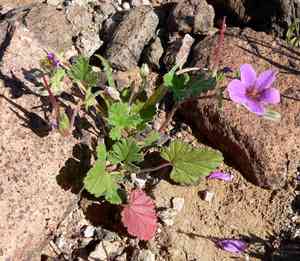
Texas stork's bill, a robust perennial featuring uniquely lobed foliage and pink-purple blossoms, thrives with proper trimming. The most effective time for pruning is during spring, summer, or autumn to foster a denser form and inhibit excessive growth. Removing faded flowers encourages additional blooming. Cutting back to a robust cluster of leaves guarantees strong development. Consistent trimming preserves its form and hinders seed distribution, thereby managing its potential to spread aggressively. Utilizing clean, sharp cutting tools is crucial for accurate incisions that do not damage texas stork's bill.
Advantages of Trimming Texas Stork's Bill
Advantages of Trimming Texas Stork's Bill
Trimming texas stork's bill promotes robust development and helps maintain its desired form, ensuring peak vitality and visual appeal.
Optimal Period for Trimming Texas Stork's Bill
Optimal Period for Trimming Texas Stork's Bill
Trimming in Spring allows texas stork's bill to direct its energy into fresh growth, boosting its vigor as the plant emerges from its dormant winter phase. Late Summer trimming is appropriate as it cleans up any elongated growth from the summer and assists the plant in keeping its shape, fostering improved air circulation which is vital for plant well-being. Early Fall trimming ensures that any new growth has sufficient time to harden before winter arrives, preventing damage from cold temperatures. However, it is crucial to avoid trimming too late in the fall, as this can stimulate new growth vulnerable to frost damage. These periods are key because they align with the natural growth cycle of texas stork's bill, ensuring the plant retains its strength to produce flowers and seeds, or enter dormancy as required.
Tools Required for Trimming Texas Stork's Bill
Hand Pruners
Perfect for making clean cuts on individual stems of texas stork's bill, minimizing harm to the plant. These are suitable for precise tasks on smaller plants like texas stork's bill.
Pruning Shears
Appropriate for cutting soft stems and leaves of texas stork's bill. The shears provide greater control and are less likely to bruise the delicate foliage.
Gardening Gloves
Essential for the gardener's protection when handling texas stork's bill, which may have small thorns or sharp edges on its leaves.
How to Trim Texas Stork's Bill
Sanitize tools
Before trimming texas stork's bill, clean and disinfect your pruning tools to prevent disease transmission. Use a solution of 1 part bleach to 9 parts water to sterilize your clippers or shears.
Identify sections
Examine the texas stork's bill for shriveled leaves. Pinpoint the leaves that are discolored, dry, and appear lifeless as these are the parts of the plant that will need to be removed.
Cut foliage
Carefully snip off the shriveled leaves at their base, where they connect to the stem, using sharp pruning shears. Make clean cuts to avoid tearing, which can cause more damage to texas stork's bill.
Clear debris
After trimming the shriveled leaves, remove all cuttings from the base of texas stork's bill. Clearing away the debris will help prevent fungal growth or pests from being attracted to the decaying plant material.
Observe plant
Monitor texas stork's bill after trimming to ensure the plant remains healthy and check regularly for any signs of additional shriveled leaves or other issues that may require attention.
Common Trimming Errors with Texas Stork's Bill
Excessive trimming
Removing too much foliage from texas stork's bill can stress the plant, leading to reduced vigor and fewer blooms. Aim to remove no more than one-third of the plant's growth at a time.
Incorrect cut placement
Cutting too far from a bud can leave a stem stub that risks disease and pest infiltration. Make cuts close to a bud, leaf node, or branching point to encourage healthy regrowth.
Using dull implements
Dull pruning tools can harm texas stork's bill's stems, creating jagged cuts that are more susceptible to disease. Always use sharp, clean tools for precise cuts.
Trimming during active growth
Trimming during periods of active growth can disrupt texas stork's bill's natural growth and blooming cycle. As the section should exclude seasonal information, understand that timing is crucial without specifying when.
Ignoring diseased material
Failing to remove diseased or dead material can hinder texas stork's bill's health. Regularly check for and trim away any unhealthy stems or leaves.
General Trimming Advice for Texas Stork's Bill
Sterilizing tools
Clean pruning tools before and after use to prevent disease spread. Use a solution of one part bleach to nine parts water or rubbing alcohol to sanitize.
Targeted trimming
Focus on removing dead, damaged, or diseased stems from texas stork's bill to improve plant health and appearance, and to enhance airflow which can reduce the risk of disease.
Cut angle
Make cuts at a 45-degree angle, just above a bud or node. This angle promotes water runoff and reduces the risk of disease while encouraging new growth.
Thinning out
Gently thin out the center of texas stork's bill to allow light penetration and air circulation, which are vital for plant health. This encourages more vigorous growth and reduces the risk of fungal infections.
Follow natural shape
Trim texas stork's bill by adhering to its natural form. Over-manicuring or creating an unnatural shape can harm the plant and impede its growth and flower production.



