How to Transplant Tawny cottongrass?
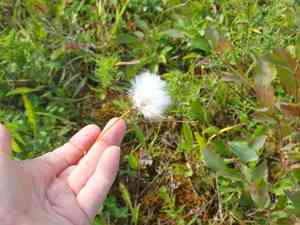
The optimal period for relocating tawny cottongrass is from mid to late spring, due to the mild temperatures and favorable soil characteristics. Select a location that offers sufficient humidity and partial sunlight. Exercise caution during handling to preserve the fragile root system.
What Preparations are Needed Before Transplanting Tawny Cottongrass?
What is the Ideal Time for Transplanting Tawny Cottongrass?
The optimal period for moving tawny cottongrass is from mid-May to early June. This timeframe offers ideal conditionsâmild weather, sufficient moisture, and fertile soilâwhich are crucial for tawny cottongrass to establish. Planting tawny cottongrass during this season allows for a full growth cycle, promoting strong root development before summer heat and autumn cold. Furthermore, transplanting tawny cottongrass when the air is warm and the soil is just waking up increases its chances of flourishing in its new spot, aligning with nature's rhythm.
How Much Space Should You Leave Between Tawny Cottongrass Plants?
When relocating your tawny cottongrass, ensure they have ample room to grow! Position them 12 inches (30 cm) to 3 feet (91 cm) apart. This spacing provides sufficient area for each plant to expand and thrive without becoming overcrowded.
What is the Best Soil Mix for Tawny Cottongrass Transplanting?
Your tawny cottongrass will flourish in consistently moist, bog-like soil. Prior to planting, enrich the soil with an organic matter-rich base fertilizer to replicate their natural marshy environments.
Where Should You Relocate Your Tawny Cottongrass?
Select a location for your tawny cottongrass where they can receive partial to full sunlight. Ideally, they should get sun for part of the day but also some shade to prevent drying out.
What Equipments Should You Prepare Before Transplantation Tawny Cottongrass?
Gardening Gloves
To safeguard your hands while handling soil and plants.
Spade or Shovel
For digging out the plant and preparing the new planting site.
Garden Fork
To gently loosen the soil without harming the root ball.
Wheelbarrow or Garden Cart
To safely move the tawny cottongrass from one spot to another.
Pruning Shears
To trim any dead or damaged roots or leaves.
Watering Can or Hose
To hydrate the tawny cottongrass before and after its relocation.
Mulch
To help retain moisture and stabilize soil temperature around the new planting area.
How Do You Remove Tawny Cottongrass from the Soil?
How Do You Remove Tawny Cottongrass from the Soil?
From Ground: Water the tawny cottongrass thoroughly to moisten the soil, making extraction easier. Insert a spade or shovel several inches from the plant's base to avoid root damage. Gently rock the spade to loosen the soil and create a trench around the tawny cottongrass, then lift the plant, keeping the root ball intact. For larger plants, use a garden fork for extra leverage.From Pot: First, water the tawny cottongrass to facilitate root ball removal. Turn the pot on its side, and gently tap its sides and bottom to loosen the soil. With your hand supporting the plant's base, carefully slide the tawny cottongrass out of the pot, being careful not to pull the plant itself.From Seedling Tray: Moisten the soil in the tray to simplify removing the young tawny cottongrass. Gently push the soil from the cell's bottom to lift the plant, or use a small tool like a dibber to carefully pry the plant out without harming roots or stems.
Step-by-Step Guide for Transplanting Tawny Cottongrass
Preparation
Before moving the tawny cottongrass, ensure all necessary tools and equipment are ready. If possible, choose a cool or overcast day to minimize stress on the tawny cottongrass.
Root Ball Care
Carefully examine the tawny cottongrass's root ball. Gently trim any dead or damaged roots with pruning shears, but avoid cutting healthy ones.
Planting Hole
Dig a hole in the new location that is twice as wide and the same depth as the root ball. Loosen the soil at the bottom of the hole with a garden fork.
Transplanting
Place the tawny cottongrass in the center of the hole. The top of the root ball should be level with the surrounding ground. Backfill around the root ball with soil, gently firming to remove air pockets.
Watering
Water the tawny cottongrass thoroughly after planting to settle the soil and provide moisture to the roots. Use just enough water to keep the soil moist but not waterlogged.
Mulching
Apply a layer of mulch around the planting area to conserve moisture and prevent weed growth. Ensure the mulch is not piled against the plant's stem to avoid rot.
How Do You Care For Tawny Cottongrass After Transplanting?
Monitoring Regularly
Check the tawny cottongrass for signs of transplant shock, such as wilting or discolored leaves, and facilitate recovery with proper care.
Watering
Keep the soil around the tawny cottongrass moist, especially in the initial weeks to months after transplanting. Be mindful of rainfall and adjust your watering schedule accordingly.
Pruning
Remove any dead or damaged foliage to encourage new growth and maintain the plant's vitality.
Mulch Management
Monitor and maintain the mulch layer to ensure it effectively retains soil moisture and deters weeds, but isn't too thick to cause stem issues.
Troubleshooting Common Issues with Tawny Cottongrass Transplantation.
What's the best time to transplant tawny cottongrass for optimal growth?
The ideal time to transplant tawny cottongrass is during mid to late spring, when the soil is warm and workable.
How much space does tawny cottongrass require when transplanting?
Provide ample space, ranging from 12 inches (30 cm) to 3 feet (91 cm), to encourage healthy growth.
Why is my tawny cottongrass not thriving after transplanting?
Ensure it's planted in acidic, moist soil and has partial to full sun exposure. Check for proper spacing and watering.
Can tawny cottongrass handle transplanting in wet soil conditions?
Tawny cottongrass prefers moist soil, but standing water can cause root rot. Aim for well-draining, consistently moist sites.
What should I do if my tawny cottongrass's leaves turn yellow after transplanting?
Yellowing may indicate over-watering or poor drainage. Check the soil moisture and adjust irrigation practices accordingly.
How deep should I plant tawny cottongrass during transplanting?
The root ball should be level with the surrounding soil to prevent stem rot. Avoid burying the plant too deeply.
How often should I water tawny cottongrass after transplanting?
Water tawny cottongrass generously after transplanting and then maintain consistent moisture, especially during dry spells.
What's the ideal sunlight exposure for tawny cottongrass after transplanting?
Tawny cottongrass thrives in areas that receive partial to full sunlight. Choose a bright spot with some shade.
Should I fertilize tawny cottongrass right after transplanting?
Wait a few weeks before fertilizing to let tawny cottongrass establish. Use a balanced, slow-release fertilizer suitable for acidic soil enthusiasts.
How do I protect tawny cottongrass from transplant shock?
Minimize root disturbance, water thoroughly, and provide shade from intense sunlight for the first few weeks post-transplant.



