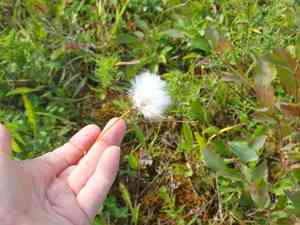
Tawny cottongrass (Eriophorum virginicum)
Also known as: Tawny Cotton Grass, Rusty Cotton Grass
Tawny cottongrass (Eriophorum virginicum) is a resilient perennial sedge commonly growing in wet, peaty environments. This plant's foliage provides essential nutrition for moose, bears, deer, and geese. Its characteristic fluffy seeds, which contribute to its name, are also a food source for tree sparrows in the northern boreal forests.
In This Article
Attributes of Tawny cottongrass
Lifespan
Perennial
Plant Type
Grass
Plant Height
30 cm to 61 cm
Spread
30 cm to 45 cm
Leaf Color
Green
Flower Size
2.5 cm to 8 cm
Flower Color
White Yellow Green Cream Brown
Images of Tawny cottongrass
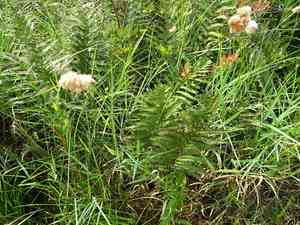

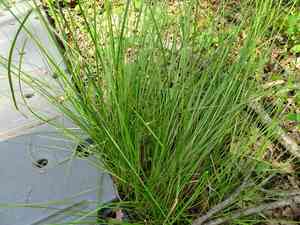
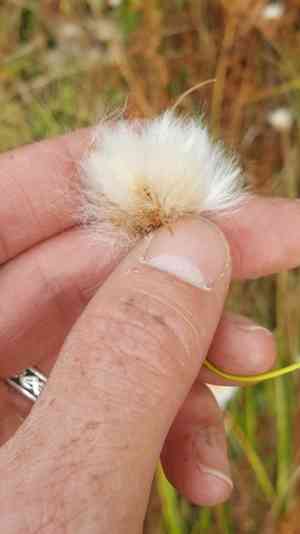
Quickly Identify Tawny cottongrass
1
Dense, bristly floral mass like a shaving brush, 1-2 inches (2.5-5 cm) wide.
2
Light brown, tawny floral heads contrast with white blooms of relatives.
3
Petite fruits not exceeding 0.16 inches (4 mm) in length, resembling tiny grains.
4
Smooth, flat leaves with short sheath, around 12 inches (30 cm) long.
5
Leaves can be round or triangular, about 0.16 inches (4 mm) wide with straightforward vein pattern.
Scientific Classification of Tawny cottongrass
Phylum
Vascular plants
Class
Monocotyledons
Order
Poales
Family
Sedge
Genus
Cotton-grass
Species
Tawny cottongrass
Planting and Growing of Tawny cottongrass
Care Difficulty
Moderate
Watering Schedule
Every 8 days
Sunlight Requirements
Full sun
Sunshine Duration
4-8 hours
Ideal Temperature
60-75℉
Soil Type
Potting Mix, Peat Mix
Soil pH
4.5-6
Fertilizer Type
Balanced
Pruning Season
Spring, Summer
Pruning Area
Branches, Leaves
Pruning Frequency
2 times a year
Repotting Season
Spring
Pot Type
Plastic, Ceramic
 How to Water Tawny cottongrass?
When watering Eriophorum virginicum, the soil should be kept consistently moist, reflecting its natural habitat in marshy areas. Water thoroughly until water drains from the bottom of the pot, ensuring the entire soil column is saturated but not waterlogged.
What are the symptoms of an underwatered Tawny cottongrass?
›
What should I do if my Tawny cottongrass is not getting enough water?
›
What are the symptoms of an overwatered Tawny cottongrass?
›
How to save an overwatered Tawny cottongrass?
›
 What Are the Sunlight Requirements for Tawny cottongrass?
Eriophorum virginicum prefers 6 to 8 hours of light, thriving best in environments that mimic partial to full sun. This supports robust foliage and consistent flowering over the growing season.
More About Sunlight Requirements Techniques→
Optimal Growth Light Requirement
›
Solutions for Ideal Light
›
Benefits of Ideal Lighting
›
 What Is the Ideal Temperature Range for Tawny cottongrass?
Eriophorum virginicum thrives best in an environment where the temperature ranges between 60°F and 75°F. This range suits the plant's natural preferences, providing it with the warm and stable conditions necessary for optimal growth and development. Maintaining this temperature range can help to ensure healthy foliage and flowering.
 What Soil is Best for Tawny cottongrass?
Eriophorum virginicum thrives in consistently moist soils. A rich, water-retentive substrate is ideal, as it mimics this plant's natural wetland habitat and ensures it remains hydrated, promoting healthy growth. This plant prefers nutrient-rich peat soils, which provide a balanced diet of organic material. The abundant nutrients support vigorous growth and enhance the plant's natural resilience. While moisture is crucial, adequate drainage is essential to prevent root rot. A well-draining peat soil ensures the plant's roots have access to oxygen, reducing the risk of waterlogging.
 How to Fertilize Tawny cottongrass?
Eriophorum virginicum, commonly known as tawny cottongrass, typically thrives in nutrient-poor soils. Thus, a moderate amount of fertilizer is sufficient. For liquid fertilizer, use a diluted solution at half the recommended strength to prevent nutrient burn.
 How to Prune Tawny cottongrass?
Begin by carefully removing any faded or diseased blooms to channel the plant's energy back into stronger growth and blooming efficiency for the next cycle. Trim excess stems to maintain the plant’s shape and prevent it from becoming untidy. This not only ensures a neat appearance but also improves air circulation within the plant structure. While pruning, be cautious not to cut new shoots unless necessary. Preserving these young shoots is vital for the plant's continual growth and future blooming potential.
More About Pruning Techniques→
 How to Propagate Tawny cottongrass plant?
1
Fill the seed tray with a moist potting soil mix and scatter the seeds on top. Lightly press the seeds into the soil and cover them with a thin layer of soil. Keep the tray in a warm, bright location until germination occurs.
2
Choose a mature Eriophorum virginicum plant and dig around the roots using a trowel. Carefully lift the plant from the soil and shake off excess dirt. Gently separate sections of the plant ensuring that each division has roots attached.
3
Prepare planting holes in the new location. Place each division into a hole, ensuring the roots are spread out. Firm the soil around the plant and water it thoroughly. Maintain regular watering to help the new divisions establish.
 How to Repot Tawny cottongrass plant?
1
You should consider repotting Eriophorum virginicum when you notice it is root-bound, which happens when the roots start growing out of the drainage holes. Another sign is when the growth rate slows despite proper care, suggesting the plant needs more space for nutrition absorption.
2
Choose a pot that is one size larger than the current one with good drainage capabilities. A pot that is slightly wider rather than deeper is often preferable for Eriophorum virginicum, as it allows better horizontal root expansion, contributing to healthy growth and stability.
3
Opt for a moisture-retentive and acidic peat-based soil. This type of soil closely mimics the plant's natural swampy habitat, supporting its need for consistent moisture and slightly acidic conditions, promoting vigorous root development and lush foliage growth.



