How to Prune Tawny cottongrass?
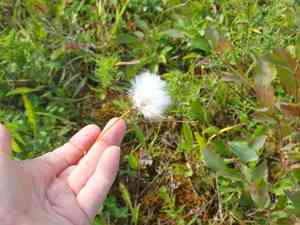
Eriophorum virginicum, a perennial sedge featuring fluffy, white seed clusters, needs very little trimming. Remove any withered or compromised leaves in early spring or during winter to sustain its vitality and visual attractiveness. Sever the foliage at its base to stimulate fresh development. This straightforward upkeep method guarantees thriving plants and, if preferred, hinders self-propagation. Performing these cuts during these periods coincides with the plant's inactive phase, reducing strain and fostering strong recuperation in spring.
What Are the Benefits of Pruning Tawny Cottongrass?
What Are the Benefits of Pruning Tawny Cottongrass?
Trimming tawny cottongrass promotes robust development and maintains its desired shape. This action helps revitalize the plant, fostering new stems and leaves, which contributes to a stronger, more structured look.
What Is the Best Time for Pruning Tawny Cottongrass?
What Is the Best Time for Pruning Tawny Cottongrass?
Pruning or trimming tawny cottongrass in early spring is advantageous as it occurs before new growth begins, allowing the plant's energy to be directed toward producing fresh shoots and blooms. This timing also reduces stress on tawny cottongrass, as pruning during its active growth phase in late spring or summer can result in less vigorous growth and diminish the plant's ability to flower. During winter, tawny cottongrass is dormant, making it an ideal period to prune without disrupting its growth cycle. Pruning at this time can eliminate dead or diseased material, thereby enhancing the plant's overall health and preparing it for vigorous spring growth. Winter pruning also prevents damage to delicate new shoots that would be vulnerable if pruning were done later in the year.
What Tools Do I Need to Prune Tawny Cottongrass?
Garden Scissors or Snips
These are perfect for trimming the delicate foliage of tawny cottongrass. They offer precision and can easily cut through thin stems without harming surrounding plants.
Bypass Pruners
These are excellent for making clean cuts on tawny cottongrass's thicker stems during thinning or shaping. They create a precise cut that helps prevent disease entry.
Hand shears
For larger clumps of tawny cottongrass, hand shears provide a good balance of control and power for cutting back and shaping the plant without damaging its structure.
How to Prune Tawny Cottongrass
Clean tools
Sanitize pruning shears with a solution of 1 part bleach to 9 parts water to prevent disease spread.
Identify
Examine tawny cottongrass closely to find diseased and withered leaves that may be brown, wilted, or show signs of fungal spots.
Sanitize
Before making any cuts, wash your hands and wear gloves to protect both yourself and tawny cottongrass from potential contamination.
Trim diseased leaves
Using the sterilized shears, carefully remove diseased leaves at their base, taking care not to harm any healthy tissue.
Trim withered leaves
Cut back withered leaves to the base of tawny cottongrass to encourage new growth and maintain a neat appearance.
Common Pruning Mistakes with Tawny Cottongrass
Overpruning
Removing too much foliage at once can stress tawny cottongrass and impede its ability to photosynthesize, which is crucial for its growth and health.
Pruning active growth
Cutting into green, active growth can harm tawny cottongrass, as this may remove the newest growth essential for future flowering.
Improper tool use
Using dull or dirty pruning tools can cause jagged cuts that may lead to infections or diseases, compromising tawny cottongrass's health.
Unnecessary cuts
Novice gardeners sometimes make cuts without purpose, which can result in an unsightly appearance and potential harm to tawny cottongrass's natural growth pattern.
Common Pruning Tips for Tawny Cottongrass
Healthy growth focus
Concentrate on removing dead or damaged foliage to encourage healthy growth in tawny cottongrass. This focused approach minimizes plant stress.
Follow natural shape
Prune with tawny cottongrass's natural form in mind to maintain its aesthetic shape and avoid a manicured look not typical of this species.
Sanitization
Before and after pruning tawny cottongrass, sanitize tools to prevent disease spread between plants. A 10% bleach solution or alcohol can be used for tool disinfection.
Precision cutting
Ensure clean cuts using sharp pruning shears, aiming just above a leaf node to encourage new growth in tawny cottongrass.
Discreet snipping
Prune sparingly and with a light hand since tawny cottongrass does not require extensive shaping; the goal is to remove only what is necessary to promote plant health.



