How to Transplant Northland cottonsedge?
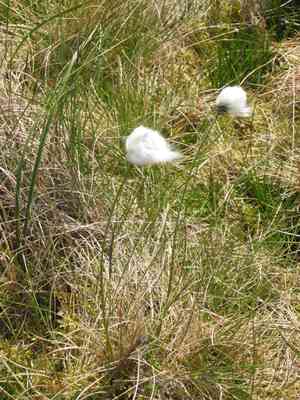
Northland cottonsedge flourishes when relocated between early and late summer, benefiting from ideal growth circumstances. Select a location receiving full sun to partial shade, featuring soil that drains effectively. Guarantee steady hydration for superior outcomes. Refrain from disturbing the specimen beyond what is essential during this procedure.
What Preparations are Necessary Before Relocating Northland Cottonsedge?
What is the Optimal Period for Moving Northland Cottonsedge?
Northland cottonsedge, being a perennial, should ideally be moved from the beginning of early summer through the conclusion of late summer. This timeframe ensures prime soil warmth and hydration, fostering robust root establishment and development. Relocating during this period allows northland cottonsedge to adapt before harsher conditions, promoting better survival and vitality throughout the year.
What Spacing is Recommended Between Northland Cottonsedge Plants?
For relocating northland cottonsedge, ensure plants are spaced 24-36 inches (60-90 cm) apart. This provides ample room for growth and flourishing without competition for resources.
What is the Best Soil Blend for Northland Cottonsedge Relocation?
Prepare well-draining, acidic to neutral soil for northland cottonsedge. Enhance the soil with organic material such as compost, and consider adding a balanced base fertilizer to ensure the plants receive all essential nutrients.
Where Should You Replant Your Northland Cottonsedge?
Select a site for northland cottonsedge that receives full sun to partial shade. Aim for at least 4-6 hours of daily sunlight to help the plants thrive.
What Tools Should You Prepare Before Relocating Northland Cottonsedge?
Gardening Gloves
To safeguard your hands while handling soil and the plant.
Shovel or Spade
For excavating the plant from its initial spot and creating the new planting hole.
Trowel
Useful for more delicate tasks and loosening soil around the root system.
Watering Can or Hose
To hydrate the plant during and after the relocation process.
Bucket
If needed, to transport the plant to its new position.
How Do You Extract Northland Cottonsedge from the Ground?
How Do You Extract Northland Cottonsedge from the Ground?
From Ground: First, irrigate the northland cottonsedge plant to moisten the soil. Next, dig a wide trench around the plant using a shovel or spade, ensuring the plant's root ball remains intact. Carefully work the spade beneath the root ball to lift the plant from its original location.From Pot: Thoroughly water the northland cottonsedge plant to make the soil more manageable. Gently tap the pot's sides to loosen the soil. Carefully tilt the pot sideways and slide the plant out, supporting the root ball with your hand.From Seedling Tray: Water the northland cottonsedge plant to make the soil easier to manage. Use a trowel to gently lift each seedling from the tray, ensuring the root ball stays intact. Handle seedlings by their leaves to avoid harming delicate stems.
Step-by-Step Guide for Relocating Northland Cottonsedge
Prepare the New Site
Choose and prepare the new spot for your northland cottonsedge. Dig a hole twice as wide and as deep as the plant's root ball. This will provide ample space for root expansion.
Relocating
Place the northland cottonsedge plant into the hole, ensuring the top of the root ball is level with the surrounding soil. Backfill the hole with soil, gently but firmly pressing down to eliminate air pockets. Water the plant thoroughly to help settle the soil.
Mulch
Apply a layer of mulch around the base of the northland cottonsedge plant to retain moisture and inhibit weed growth. Keep mulch away from the stem to prevent rot.
How Do You Care For Northland Cottonsedge After Relocation?
Watering
Keep the soil around the northland cottonsedge consistently moist, but not waterlogged, for the initial few weeks after relocation to aid in strong root establishment.
Monitoring
Observe for signs of relocation shock, such as wilting or yellowing leaves. If necessary, provide additional shade or wind protection until the plant has acclimated.
Pruning
Remove any damaged or dead foliage to help the plant direct its energy towards new growth.
Troubleshooting Common Issues with Northland Cottonsedge Relocation.
When is the optimal time to move northland cottonsedge?
The best time to move northland cottonsedge is from early summer to late summer for prime outcomes.
How much space should I allow between northland cottonsedge plants?
Space northland cottonsedge plants 24-36 inches (60-90 cm) apart for healthy development and growth.
What kind of soil is ideal for relocating northland cottonsedge?
Northland cottonsedge thrives in moist, well-draining soils with a slightly acidic to neutral pH.
How should I prepare the ground before moving northland cottonsedge?
Loosen the soil to a depth of 12 inches (30 cm) and incorporate organic matter.
What should I do if northland cottonsedge shows signs of relocation shock?
Water thoroughly and ensure the plant is temporarily shaded and protected from intense sunlight.
How frequently should I water northland cottonsedge after relocation?
Keep the soil consistently moist but not saturated until the plant establishes its roots.
Do I need to fertilize northland cottonsedge immediately after relocation?
Wait a few weeks before fertilizing to allow the plant to recover from any relocation stress.
How should I handle northland cottonsedge during the relocation process?
Gently remove northland cottonsedge from its original spot, taking care to minimize root disturbance.
Is mulching essential when relocating northland cottonsedge?
Apply a 2-3 inch (5-7.5 cm) layer of mulch to retain moisture and regulate soil temperature.
What common pests or diseases should I look out for after relocating northland cottonsedge?
Monitor for aphids and fungal diseases, treating promptly with suitable organic methods.



