How to Propagate Northland cottonsedge?
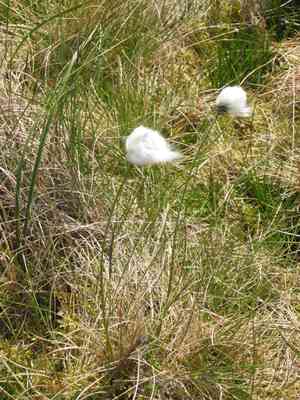
Eriophorum callitrix thrives in damp, boggy environments. Reproduction is generally accomplished via separation. This technique guarantees the specimen retains its inherent growth pattern and vitality. During separation, confirm that every segment possesses sufficient roots and is promptly re-established in a comparable humid setting. Consistent irrigation will assist in the development of new specimens. Employing divisions not only manages the plant's expansion but also guarantees vigorous and thriving new development.
What Is the Best Time To Propagate Northland Cottonsedge?
Propagation Type
Division
Propagation Season
Spring,Autumn
What Tools Are Used in Northland Cottonsedge Propagation?
Sharp Spade
A keen-edged spade is crucial for efficiently separating northland cottonsedge clumps. It enables clean cuts without unduly stressing the plant's roots, ensuring each section retains sufficient root and shoot material for successful replanting.
Garden Fork
A garden fork is vital for gently lifting and detaching northland cottonsedge clumps from the earth. It minimizes root damage compared to using a shovel, preserving the integrity of the plant's subterranean structures.
Root Knife
A root knife is helpful for slicing through thick or tangled northland cottonsedge roots. This instrument offers precision, reducing the chance of tearing and ensuring clean division points, which is essential for the new plants' health.
Garden Gloves
Garden gloves safeguard hands while handling northland cottonsedge during the division process. They allow the gardener to manage root systems and soil with minimal risk of injury or skin irritation.
Watering Can with Fine Rose
A watering can equipped with a fine rose is indispensable for gently irrigating newly divided northland cottonsedge plants. This ensures the soil remains moist without dislodging it or harming delicate new roots.
Plant Labels
Plant labels assist the gardener in tracking the various northland cottonsedge divisions. Clear labeling prevents confusion and ensures appropriate care and monitoring of the new plants.
Pruning Shears
Pruning shears are utilized to trim any damaged or dead foliage from northland cottonsedge after division. This promotes healthy new growth and lessens the risk of disease spreading to the new plants.
Rooting Hormone
While not always required, rooting hormone can be advantageous when dividing northland cottonsedge, as it stimulates root development and aids new divisions in establishing more rapidly in their new locations.
Potting Mix
A premium potting mix is important for repotting divided northland cottonsedge plants. Its nutrient-rich composition facilitates robust root establishment and provides the necessary support for new growth.
Propagation Trays
Propagation trays offer a controlled environment for smaller northland cottonsedge divisions until they are ready for transplanting into a larger space. They maintain moisture and safeguard delicate plants during early growth stages.
How to Propagate Northland Cottonsedge?
Propagation Type
Easy
How to Care for Your Newly Propagated Northland Cottonsedge?
How to Care for Your Newly Propagated Northland Cottonsedge?
Post-propagation, maintain consistent soil moisture, especially during dry spells, as northland cottonsedge thrives in wet conditions. Apply a light layer of mulch to help retain soil moisture and suppress weeds. Watch for any signs of stress or disease, and promptly remove any damaged or diseased foliage. Regularly inspect the plants to ensure they are establishing well and provide additional water and nutrients as needed.
Common Mistakes to Avoid When Propagating Northland Cottonsedge
Overwatering
Supplying too much water can lead to root rot and fungal infections, which weaken the plant and impede successful propagation.
Improper Soil
Using soil that is too compact or lacks adequate drainage can suffocate the roots and hinder healthy development.
Inadequate Light
Placing northland cottonsedge in areas with insufficient light can impede photosynthesis, resulting in stunted growth and poor propagation.
Incorrect Planting Depth
Planting seeds or divisions at improper depths can either dry them out or bury them too deeply, leading to failure in germination or establishment.
Tips For Propagating Northland Cottonsedge
Moisture Management
Keep the soil consistently damp but not waterlogged. Ensure proper drainage to prevent root rot.
Soil Requirements
Utilize a well-draining, sandy or loamy soil to mimic northland cottonsedge's natural habitat, fostering healthy root development.
Light Conditions
Provide ample indirect sunlight to support the growth and vitality of northland cottonsedge. Avoid full shade or complete darkness.
Proper Planting Depth
When sowing seeds, ensure they are lightly covered with soil. For divisions, plant them at the same depth as their original growth.



