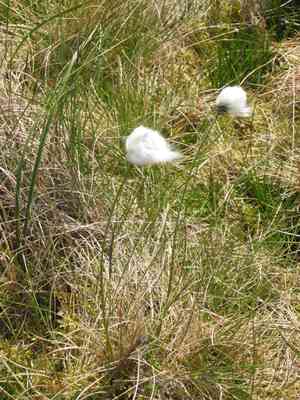
Northland cottonsedge (Eriophorum brachyantherum)
Also known as: Northern Cotton-grass, Short-anthered Cotton-grass
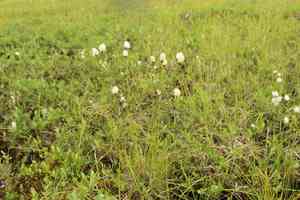
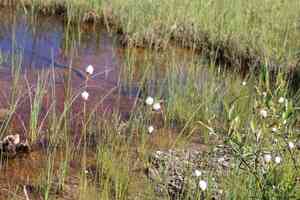
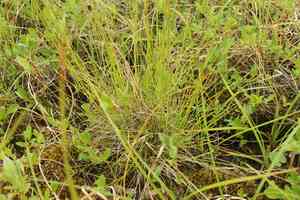
Northland cottonsedge is a perennial plant characterized by its slender stems topped with cottony white tufts. It prospers in tundra environments, particularly in moist, boggy regions and the peripheries of ponds and streams. Preferring wet, acidic soils, this plant's distinctive fluffy seed heads help with wind-based seed dispersal, enabling it to thrive in challenging, water-saturated conditions.
In This Article
Attributes of Northland cottonsedge
Lifespan
Perennial
Plant Type
Grass
Plant Height
30-60 cm
Spread
Not applicable (as it is a tufted grass-like plant)
Leaf Color
Green
Flower Size
Small, not easily noticeable as the prominent feature is the cottony bristles
Flower Color
N/A (bristles are white)
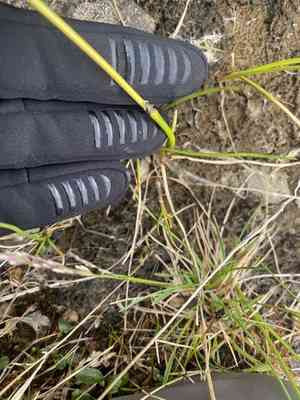
Images of Northland cottonsedge
Quickly Identify Northland cottonsedge
1
The plant can be identified by its distinctive silky white bristles (similar to cotton) and its association with wet, boggy areas. It also has long grass-like leaves and stems.
Scientific Classification of Northland cottonsedge
Phylum
Vascular plants
Class
Monocotyledons
Order
Poales
Family
Sedge
Genus
Cotton-grass
Species
Northland cottonsedge
Planting and Growing of Northland cottonsedge
Care Difficulty
Moderate
Watering Schedule
Every 2 days
Sunlight Requirements
Partial sun
Sunshine Duration
8-12 hours
Ideal Temperature
50-70℉
Soil Type
Potting Mix, Peat Mix
Soil pH
5.5-7
Fertilizer Type
Balanced
Pruning Season
Spring, Summer
Pruning Area
Branches, Leaves
Pruning Frequency
2 times a year
Repotting Season
Spring
Pot Type
Plastic, Ceramic
 How to Water Northland cottonsedge?
For Eriophorum brachyantherum, the watering should be sufficient to mimic natural wetland conditions. Aim for 500 ml of water each time, ensuring the soil is consistently moist but not waterlogged. The goal is to keep the roots slightly damp, just like in the plant's natural habitat.
What are the symptoms of an underwatered Northland cottonsedge?
›
What should I do if my Northland cottonsedge is not getting enough water?
›
What are the symptoms of an overwatered Northland cottonsedge?
›
How to save an overwatered Northland cottonsedge?
›
 What Are the Sunlight Requirements for Northland cottonsedge?
Eriophorum brachyantherum prefers partial sun, benefitting from about 4 to 6 hours of sunlight daily. This balance sustains healthy growth patterns, ideal flowering, and optimal physiological development.
How much light does Eriophorum brachyantherum idealize?
›
What are the ideal solutions for achieving optimal light?
›
Benefits of providing Eriophorum brachyantherum the right amount of light
›
 What Is the Ideal Temperature Range for Northland cottonsedge?
The ideal temperature range for Eriophorum brachyantherum lies between 50 and 70 degrees Fahrenheit. This temperature range supports optimal growth and development by providing the right balance of warmth during cooler periods. Such conditions mimic its native habitat, encouraging healthy physiological processes.
 What Soil is Best for Northland cottonsedge?
Eriophorum brachyantherum thrives in soil types that can maintain moisture without becoming waterlogged. Ensuring adequate moisture levels helps the plant maintain its turgidity and supports lush growth. This sedge species benefits from soil enriched with organic matter, ensuring a steady supply of nutrients. Nutrient-rich soil supports vigorous growth and healthy foliage. While moisture is crucial, the soil must also drain well to prevent root rot. Ensuring proper drainage protects the plant's root system and avoids water-induced stress.
 How to Fertilize Northland cottonsedge?
For Eriophorum brachyantherum, the fertilizer amount should be modest. Use approximately half a teaspoon of diluted liquid fertilizer per liter of water for liquid feeding. For slow-release fertilizers, use about 10 grams per square meter depending on the plant's growth phase and soil richness.
 How to Prune Northland cottonsedge?
Ensure you have a pair of sharp, clean scissors or garden shears. Clean tools prevent the spread of disease; blunt tools can damage the plant, hindering its growth. Gently search through the plant and trim any brown or withered stems. This not only improves aesthetic appearance but also allows healthier parts of the plant to access resources. Trim the tips of healthy stems to encourage branching. This will result in a fuller growth pattern and a more vibrant display.
More About Pruning Techniques→
 How to Propagate Northland cottonsedge plant?
1
Collect seeds from mature Eriophorum brachyantherum plants in late summer. Ensure that the seeds are fully ripe, as immature seeds may not germinate effectively. Dry them thoroughly before storing.
2
Prepare a well-draining soil mix for sowing the seeds. A mixture of peat moss and sand works well. This ensures good root establishment and prevents waterlogging, which can hinder seedling development.
3
Sow seeds evenly across the surface of the prepared soil in the seed tray. Cover them lightly with soil, maintaining appropriate moisture levels, to encourage germination while preventing rot.
 How to Repot Northland cottonsedge plant?
1
The ideal time to repot Eriophorum brachyantherum is when you observe the roots densely packed and emerging from the pot's drainage holes. Additionally, if the plant's growth appears stunted despite adequate care, it's a telltale sign that fresh soil and more space are needed.
2
Select a pot that is only slightly larger than the current one, ideally 1-2 inches in diameter wider. A pot with good drainage ensures that excess moisture can escape, preventing root rot. A ceramic or terracotta pot is preferred as it provides stability and breathability.
3
Opt for a moist, acidic peat mix, which mimics the plant's natural boggy environment. This soil ensures adequate moisture retention while providing the acidic conditions that Eriophorum brachyantherum thrives in, promoting healthier, more vibrant growth.
Toxicity
None
WARNING
The judgment on toxicity and danger is for reference only. We DO NOT GUARANTEE any accuracy of such judgment. Therefore, you SHALL NOT rely on such judgment. It is IMPORTANT TO SEEK PROFESSIONAL ADVICE in advance when necessary.
Learn More About Northland cottonsedge Diseases
Anthracnose
Bacterial Leaf Spot
Bacterial Soft Rot
Bacterial Wilt
Chemical Injury
Cyst Nematode
Damping-off
Downy Mildew
Drought Stress
Fusarium Wilt
Gray Mold
Leaf Spot
Mosaic
Nutrient Deficiency
Nutrient Toxicity
Powdery Mildew
Root Rot
Root-knot Nematode
Rusts
Sooty Mold
Spider Mites
Temperature Stress
Thrips Damage
White Mold



