How to Transplant Hoary buckwheat?
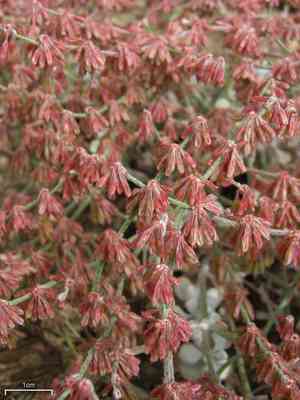
The optimal period for relocating hoary buckwheat is during the early to mid-spring, as vigorous development will foster strong rooting. Choose a bright spot with soil that drains effectively. To ensure successful integration, reduce disruption to the root system for smooth adaptation.
What Preparations are Needed Before Transplanting Hoary Buckwheat?
What is the Ideal Time for Transplanting Hoary Buckwheat?
Choose the revitalizing period of early to mid-spring for relocating hoary buckwheat. This timeframe permits root establishment prior to summer's warmth.
How Much Space Should You Leave Between Hoary Buckwheat Plants?
When preparing to move hoary buckwheat, ensure adequate spacing. Allow approximately 1 foot (about 30 cm) between each specimen. This provides ample room for optimal development!
What is the Best Soil Mix for Hoary Buckwheat Transplanting?
Regarding soil preparation, hoary buckwheat is not overly particular, but it favors well-draining soil. A sandy or loamy substrate would be perfect. Incorporate a foundational fertilizer (organic, if possible) to give your plant a nutrient-rich beginning.
Where Should You Relocate Your Hoary Buckwheat?
Hoary buckwheat will appreciate a bright location! This plant flourishes in areas with abundant sunlight. Seek out a spot in your garden where the plant will receive at least 6 hours of direct sun daily.
What Equipments Should You Prepare Before Transplantation Hoary Buckwheat?
Gardening Gloves
These will safeguard your hands while handling the plant and working with the earth.
Shovel or Gardening Spade
This implement will be used to loosen the soil for removing and relocating your hoary buckwheat.
Garden Fork
A useful tool for loosening the ground around the hoary buckwheat's root mass in its initial position.
Wheelbarrow
If you need to transport the hoary buckwheat a considerable distance, a wheelbarrow will prove very beneficial.
Watering Can or Garden Hose
Required to hydrate the plant before and after its relocation.
Mulch
Aids the soil in retaining moisture post-transplanting.
How Do You Remove Hoary Buckwheat from the Soil?
How Do You Remove Hoary Buckwheat from the Soil?
From Ground: Start by irrigating the hoary buckwheat plant to moisten the soil. This facilitates easier removal without harming the roots. Then, using a shovel or garden fork, excavate a wide trench around the plant, ensuring the root ball remains intact. Gently lift the plant from its spot.From Pot: Begin by watering the hoary buckwheat; this will simplify the plant's extraction. Place one hand over the pot's top, holding the plant's stem between your fingers. Carefully tilt the pot and ease the plant out, ensuring the root mass stays as whole as possible.From Seedling Tray: Water the hoary buckwheat to soften the growing medium. Gently grasp the plant by the stem and lift it from the cell, making sure to include as many roots and as much soil as feasible.
Step-by-Step Guide for Transplanting Hoary Buckwheat
Preparation
Utilize your shovel or spade to dig a hole at the new planting site. The hole should be twice the width of the hoary buckwheat's root ball and of equal depth.
Planting
Position the hoary buckwheat in the excavated area and backfill with soil, ensuring the top of the root ball is flush with the ground level.
Watering
Following transplantation, water generously. This will assist the soil in settling around the root system.
Mulching
Applying a layer of organic mulch around the plant will help maintain moisture and inhibit weed growth.
How Do You Care For Hoary Buckwheat After Transplanting?
Monitoring
Observe the hoary buckwheat closely for the initial few weeks. If it exhibits signs of wilting or yellowing, it may require more or less water, or partial shade.
Pruning
After relocating the hoary buckwheat, ensure a light pruning. This will encourage denser growth.
Protecting
Shield the hoary buckwheat from any severe weather conditions immediately after transplanting. If the weather is particularly hot or cold post-transplant, consider providing extra protection.
Troubleshooting Common Issues with Hoary Buckwheat Transplantation.
When's the best time of year to transplant my hoary buckwheat?
The optimal period to move your hoary buckwheat is between late winter and early spring (S1-S2), as it prepares for its active growth phase.
What distance should I maintain between my hoary buckwheat transplants?
It's highly recommended to provide your hoary buckwheat with approximately 1 foot (30.48 cm) of space between each plant. This allows them ample room for development.
Why does my recently transplanted hoary buckwheat look wilted?
Transplant shock, often leading to wilting, is common after relocating plants like hoary buckwheat. Ensure consistent soil moisture, adequate light, and allow it time to adjust.
How deep should the hole be when transplanting my hoary buckwheat?
Your excavation should be precisely as deep as the root ball of your hoary buckwheat plant, ensuring the plant sits at its original level.
What type of soil should I use for my hoary buckwheat transplant?
Hoary buckwheat prefers well-draining soil. Amend with compost or organic matter to boost fertility and moisture retention in the substrate.
How much water does my newly transplanted hoary buckwheat need?
Water your hoary buckwheat immediately after transplanting, and then keep the soil consistently moist. Be cautious not to over-water as it can lead to root rot.
How much sun does my transplanted hoary buckwheat need?
Hoary buckwheat thrives in full sun but can tolerate some shade. Ensure the plant receives at least 6 to 8 hours of sunlight daily for robust growth.
How soon can I expect my transplanted hoary buckwheat to flower?
If properly cared for, anticipate your relocated hoary buckwheat to produce beautiful blooms from late spring to mid-summer.
My hoary buckwheat is not thriving after transplantation, what could be wrong?
Poor growth could stem from insufficient light, improper watering, or unsuitable soil. Review your plant care routines and make necessary adjustments as needed.
Should I feed my newly transplanted hoary buckwheat immediately?
Wait a couple of weeks to allow your hoary buckwheat to settle before fertilizing. Begin with a balanced, slow-release fertilizer for optimal results.



