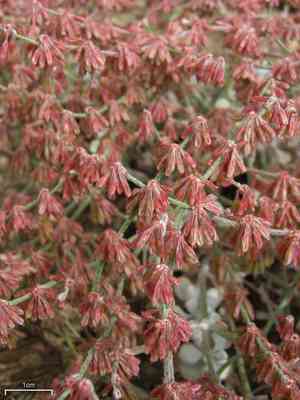
Hoary buckwheat (Eriogonum saxatile)
Also known as: Saxatile Buckwheat
Hoary buckwheat is native to the mountainous regions of Nevada and California in the western United States. It is often grown in rock gardens due to its low-maintenance nature. This plant forms mats with its silvery-gray evergreen leaves and produces attractive flowers.
In This Article
Attributes of Hoary buckwheat
Lifespan
Perennial
Plant Type
Herb, Shrub
Plant Height
10 cm to 40 cm
Spread
10 cm to 20 cm
Leaf Color
Grey-green
Flower Size
3 mm to 7 mm
Flower Color
Yellow Green
Images of Hoary buckwheat

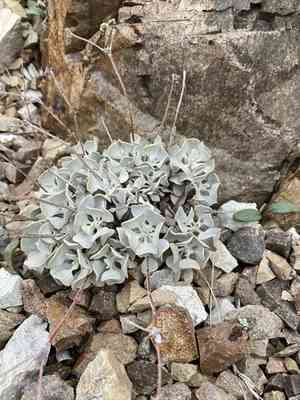
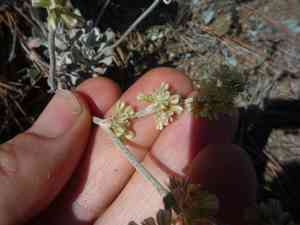
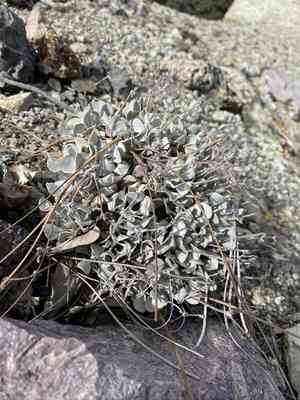
Quickly Identify Hoary buckwheat
1
Identifying Eriogonum saxatile involves looking for its small, bright yellow flower clusters and its grey-green foliage. The plant often grows in rocky or gravelly soils and is typically low-growing, forming mats on the ground.
Scientific Classification of Hoary buckwheat
Phylum
Vascular plants
Class
Dicotyledons
Order
Caryophyllales
Family
Buckwheat
Genus
Wild Buckwheat
Species
Hoary buckwheat
Planting and Growing of Hoary buckwheat
Care Difficulty
Easy
Watering Schedule
Every 2 days
Sunlight Requirements
Full sun
Sunshine Duration
4-8 hours
Ideal Temperature
60-75℉
Soil Type
Potting Mix, Peat Mix
Soil pH
6.5-7.5
Fertilizer Type
Balanced
Pruning Season
Spring, Summer
Pruning Area
Branches, Leaves
Pruning Frequency
Once a year
Repotting Season
Spring
Pot Type
Plastic, Ceramic
 How to Water Hoary buckwheat?
Eriogonum saxatile thrives with deep, thorough watering, ensuring the soil is moist but not waterlogged. Aim to distribute approximately 250 milliliters of water thoroughly around the base, allowing the water to soak deeply into the root zone. This ensures that the plant develops a strong root system, which aids in drought resistance.
What are the symptoms of an underwatered Hoary buckwheat?
›
What should I do if my Hoary buckwheat is not getting enough water?
›
What are the symptoms of an overwatered Hoary buckwheat?
›
How to save an overwatered Hoary buckwheat?
›
 What Are the Sunlight Requirements for Hoary buckwheat?
Eriogonum saxatile thrives best in full sun conditions, which helps in achieving its best growth potential. Ideal lighting improves flowering density and overall vibrancy, making it a beautiful addition to sunny landscape areas.
What is the best positioning for Eriogonum saxatile?
›
What solutions exist if a location lacks full sun?
›
What are the benefits of ideal lighting conditions?
›
 What Is the Ideal Temperature Range for Hoary buckwheat?
Eriogonum saxatile thrives best in temperatures ranging from 60°F to 75°F. This range facilitates optimal photosynthetic activity and promotes proper nutrient absorption, ensuring healthy growth and flowering.
 What Soil is Best for Hoary buckwheat?
Eriogonum saxatile thrives in well-drained soils, as they prevent root rot and allow for proper air circulation around the roots, ensuring healthy plant growth. A balance of nutrients in sandy and loamy soils supports the robust growth of Eriogonum saxatile, offering essential elements such as nitrogen and phosphorus for vibrant foliage. Soil texture is important; a mixture of sand and loam retains enough moisture while also being loose enough to enhance root expansion, benefitting Eriogonum saxatile.
 How to Fertilize Hoary buckwheat?
For Eriogonum saxatile, it's important to apply fertilizer sparingly. Use half the recommended concentration for the plant's size, as excess nutrients can harm its growth. Apply a balanced fertilizer with equal parts nitrogen, phosphorus, and potassium. Use about 1/4 teaspoon of liquid fertilizer diluted in a gallon of water.
 How to Prune Hoary buckwheat?
Begin by identifying and removing any dead or diseased stems. This promotes healthier growth by directing the plant's energy to viable areas. Gently shape the plant by trimming excess growth. This will help maintain its structure and encourage even lighting for all sections of the plant. After pruning, thoroughly clean the area around the base of the plant. Remove any cuttings and debris to prevent decay and potential pest problems.
 How to Propagate Hoary buckwheat plant?
1
Select healthy and mature seeds for propagation. Ensure they are free from mold or damage to maximize germination rates and healthy seedling growth.
2
Fill the seed trays with well-draining potting soil. The soil should be lightly moistened but not waterlogged to provide optimal conditions for seed germination.
3
Sow the seeds on the surface of the prepared soil in the seed trays, gently pressing them down. It's essential to cover them with a thin layer of soil to protect them while ensuring they receive adequate light and warmth.
 How to Repot Hoary buckwheat plant?
1
Repot when Eriogonum saxatile shows signs of restricted growth, such as roots emerging from the drainage holes or the plant becoming top-heavy. Spring and autumn are prime times, as moderate temperatures allow the plant to acclimate to new conditions, minimizing transplant shock.
2
Select a pot that is 1-2 inches larger in diameter than the current one, with good drainage holes. A breathable material like terracotta is ideal, as it allows for proper air flow and prevents root rot by wicking away excess moisture.
3
Opt for a well-draining sandy soil mix to mimic the plant's natural arid habitat. This ensures that the roots receive enough oxygen and reduces the risk of waterlogging, promoting healthier plant growth and vibrant blooms.
Learn More About Hoary buckwheat Diseases
Anthracnose
Bacterial Leaf Spot
Bacterial Soft Rot
Bacterial Wilt
Black Spot
Chemical Injury
Crown Gall
Cyst Nematode
Damping-off
Downy Mildew
Drought Stress
Fusarium Wilt
Gray Mold
Leaf Curl
Leaf Spot
Mosaic
Nutrient Deficiency
Nutrient Toxicity
Powdery Mildew
Root Rot
Root-knot Nematode
Rusts
Sooty Mold
Spider Mites
Temperature Stress
Thrips Damage
White Mold



