How to Transplant Rose and white buckwheat?
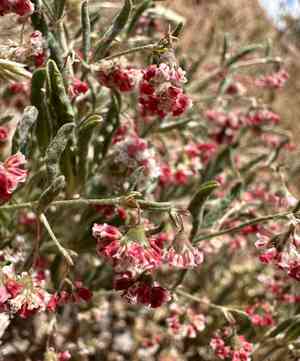
Rose and white buckwheat flourishes most effectively when relocated in the gentle and revitalizing timeframe of early to mid-spring. Select a bright, adequately draining spot to guarantee peak development and flowering.
What Preparations are Needed Before Transplanting Rose And White Buckwheat?
What is the Ideal Time for Transplanting Rose And White Buckwheat?
Rose and white buckwheat, a perennial, flourishes when moved in the early to mid-spring. This timing allows for maximum root development prior to summer heat, encouraging vigorous growth. Relocating during this season ensures optimal soil moisture and temperature, leading to healthier plants and a stronger life cycle. Cultivating rose and white buckwheat within this perfect window supports easier adaptation and enhanced long-term vigor.
How Much Space Should You Leave Between Rose And White Buckwheat Plants?
When relocating rose and white buckwheat, aim for a spacing of 12-18 inches (30-45 cm) between them. This ensures each plant has ample room to develop without competing for nutrients and sunlight.
What is the Best Soil Mix for Rose And White Buckwheat Transplanting?
For rose and white buckwheat, prepare soil that drains well, such as sandy or loamy types. Incorporate some compost or a balanced, all-purpose fertilizer to enrich the soil and provide a good nutritional foundation for robust growth.
Where Should You Relocate Your Rose And White Buckwheat?
Rose and white buckwheat thrives in full sun, so select a new location that receives at least 6-8 hours of direct sunlight daily. This will help ensure strong and healthy plants.
What Equipments Should You Prepare Before Transplantation Rose And White Buckwheat?
Gardening Gloves
To safeguard your hands while handling soil and plants.
Hand Trowel
For digging and scooping earth around the plant.
Shovel or Spade
For excavating larger holes and trenches around the plant's root ball.
Pruning Shears
To trim any damaged roots or foliage.
Watering Can or Hose
To hydrate the plant before and after relocation.
Wheelbarrow or Bucket
For moving the plant, especially if itâs large.
Mulch
To help retain soil moisture after transplanting.
How Do You Remove Rose And White Buckwheat from the Soil?
How Do You Remove Rose And White Buckwheat from the Soil?
From Ground: First, irrigate the rose and white buckwheat plant to moisten the soil. Then, dig a wide trench around the plant using a shovel or spade, ensuring the plant's root ball remains intact. Carefully work the spade beneath the root ball to lift the plant from its original spot.From Pot: Gently water the rose and white buckwheat plant, allowing water to fully drain. Tilt the container and gently tap its sides to loosen the soil. Carefully slide the plant out, supporting the root ball to prevent damage.From Seedling Tray: Water the seedlings thoroughly. Use a hand trowel to gently lift each rose and white buckwheat seedling, ensuring to take as much of the root ball as possible to avoid root damage.
Step-by-Step Guide for Transplanting Rose And White Buckwheat
Prepare Planting Hole
Dig a hole in the chosen spot that is twice as wide and the same depth as the root ball of your rose and white buckwheat plant.
Check Soil Moisture
Ensure the soil in the planting hole is moist but not waterlogged. Add water if needed and allow it to absorb into the soil.
Transfer Plant
Place the rose and white buckwheat plant into the hole, positioning it so that it sits at the same depth it was previously growing.
Fill and Firm Soil
Backfill the hole with soil, gently pressing down to eliminate air pockets and secure the plant. Avoid compacting the soil too tightly.
Water Plant
Thoroughly water the newly planted rose and white buckwheat, ensuring the soil is moist but not saturated.
Apply Mulch
Spread a layer of mulch around the base of the plant to help retain moisture and regulate soil temperature.
How Do You Care For Rose And White Buckwheat After Transplanting?
Watering
Keep the soil around the rose and white buckwheat consistently moist, but not soggy, for the initial weeks after transplanting to aid in strong root establishment.
Monitoring
Regularly inspect the rose and white buckwheat for indications of transplant shock, such as wilting or yellowing leaves, and provide additional water and care as necessary.
Mulching
Maintain a layer of mulch around the base of the rose and white buckwheat to conserve moisture and support healthy growth.
Support
If the rose and white buckwheat plant appears top-heavy or unstable, consider using plant stakes or supports to help it remain upright during its initial growth period.
Troubleshooting Common Issues with Rose And White Buckwheat Transplantation.
When is the best time to transplant rose and white buckwheat?
Relocate rose and white buckwheat between early spring and late spring for optimal growth and establishment.
How far apart should I space rose and white buckwheat during transplant?
Space rose and white buckwheat within 12 to 18 inches (30 to 45 cm) intervals for healthy growth.
What type of soil is ideal for transplanting rose and white buckwheat?
Well-draining, sandy to loamy soil with neutral pH is ideal for transplanting rose and white buckwheat.
How deep should I plant rose and white buckwheat in the soil?
Plant rose and white buckwheat at the same depth it was growing previously to ensure successful rooting.
How much water does rose and white buckwheat need after transplanting?
Water rose and white buckwheat moderately after transplanting, keeping the soil moist but not waterlogged.
Is it necessary to fertilize rose and white buckwheat after transplanting?
Use a balanced, slow-release fertilizer after transplanting rose and white buckwheat to encourage healthy growth.
How can I protect rose and white buckwheat from transplant shock?
Water regularly, provide shade, and avoid disturbing the roots to minimize transplant shock in rose and white buckwheat.
Should I prune rose and white buckwheat before transplanting?
Light pruning to remove dead or damaged parts can promote healthy growth after transplanting rose and white buckwheat.
How do I prepare the site before transplanting rose and white buckwheat?
Loosen the soil and remove weeds to prepare the site before planting rose and white buckwheat.
Can I transplant rose and white buckwheat in mid-summer?
Avoid transplanting rose and white buckwheat in mid-summer; it's best done from early to late spring.



