How to Prune Rose and white buckwheat?
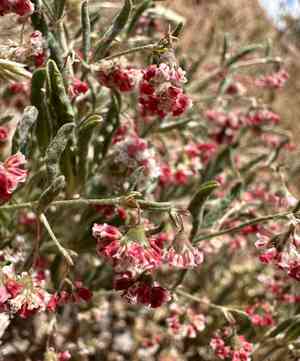
Rose and white buckwheat, a unique low-lying bush featuring delicate stalks and blossoms ranging from pink to white, flourishes with deliberate trimming. The most suitable periods for pruning are from late winter to early spring, aligning with its natural development phase. Concentrate on excising deceased or injured stems and sculpting the plant for visual appeal and well-being. Trimming improves air circulation and light exposure, thereby diminishing the likelihood of ailments. Consistent maintenance fosters robust flowering and preserves a dense structure, greatly contributing to the overall vigor of rose and white buckwheat.
Advantages of Trimming Rose And White Buckwheat
Advantages of Trimming Rose And White Buckwheat
Pruning rose and white buckwheat encourages robust development and maintains its form, ensuring the plant remains visually appealing and thriving. Regular trimming stimulates new growth, helping rose and white buckwheat resist pests and diseases while sustaining its overall vitality.
Optimal Period for Pruning Rose And White Buckwheat
Optimal Period for Pruning Rose And White Buckwheat
Trimming in late winter or early spring is ideal for rose and white buckwheat as this period aligns with its dormant phase, just before seasonal new growth. Pruning during dormancy minimizes plant stress, fosters healthier and more vigorous growth, and can enhance blooming. Additionally, any damage or diseases from the prior growing season would be more apparent, allowing for precise and effective trimming.
Necessary Tools for Pruning Rose And White Buckwheat
Hand pruners
Crucial for accurate, clean cuts on small stems and branches, minimizing harm to rose and white buckwheat. Bypass pruners are recommended for best results.
Pruning shears
Useful for cutting slightly thicker branches without tearing. They help maintain the shape and health of rose and white buckwheat by efficiently removing unwanted growth.
Lopping shears
Perfect for reaching and cutting medium-sized branches too thick for hand pruners but not requiring a saw. Provides leverage for easier cutting.
Gloves
Protect hands when handling rose and white buckwheat during pruning. Ensures safety from any thorny or rough stems.
How to Prune Rose And White Buckwheat
Preparation
Gather pruning shears and sterilize them to prevent disease transmission.
Inspection
Carefully examine rose and white buckwheat for any signs of diseased or withered foliage. Identifying these areas ensures targeted and effective pruning.
Diseased last
Begin by removing diseased leaves first, cutting them at their base. Ensure cuts are clean and precise to prevent further infection.
Withered removal
Proceed to remove withered leaves, cutting them where they meet healthy tissue. This helps the plant direct energy to healthier growth.
Disposal
Properly dispose of all pruned material to avoid spreading potential diseases. Ensure trimmed plant parts are removed from the area.
Common Pruning Errors with Rose And White Buckwheat
Improper technique
Inexperienced gardeners often use dull or dirty pruning tools, leading to jagged cuts and plant damage. Cutting too close to the main stem can create wounds difficult for rose and white buckwheat to heal.
Over-pruning
Removing too much of the plant at once can stress rose and white buckwheat, affecting its ability to flower and grow properly. Over-pruning can also deplete energy reserves needed for new growth.
Incorrect timing
Some gardeners prune at the wrong time, which can disrupt rose and white buckwheat's natural growth cycle. While specific timing information is excluded from this guide, knowing the correct seasonal window for pruning is crucial.
General Pruning Advice for Rose And White Buckwheat
Use sharp, clean tools
Ensure your pruning shears are sharp and sanitized to make clean cuts, reducing disease risk and promoting faster healing in rose and white buckwheat.
Remove dead and diseased wood
Start by cutting away any dead, damaged, or diseased branches to improve overall plant health and appearance, and to prevent disease spread.
Avoid cutting green wood
Focus on older wood rather than new green growth unless necessary for shape correction. Pruning green wood can hinder new growth and flowering.
Incremental pruning
Prune rose and white buckwheat gradually instead of removing large sections all at once. This reduces plant stress and allows for quicker recovery.
Cut at an angle
Make all cuts at a slight angle to prevent water from collecting on the cut surface, which can lead to rot and other issues in rose and white buckwheat.
Encourage airflow
Prune to open up the plant's center, improving air circulation which reduces the risk of fungal infections and promotes healthier growth.



