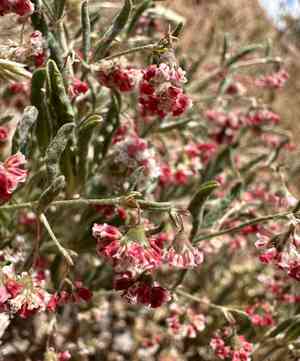
Rose and white buckwheat (Eriogonum gracillimum)
Also known as: Slender Buckwheat
Rose and white buckwheat are resilient perennials with slender stems and delicate clusters of pink or white flowers that attract pollinators in dry environments. These plants are well-suited to arid conditions due to several key features. Their sparse foliage and deep root systems allow them to efficiently collect and conserve limited water resources. They are also adapted to thrive in poor, gravelly soils and open spaces. Their ability to withstand harsh sunlight and minimalistic beauty make them distinctive survivors in their native habitats.
In This Article
Attributes of Rose and white buckwheat
Lifespan
Perennial
Plant Type
Herb
Plant Height
30-60 cm
Spread
20-40 cm
Leaf Color
Gray-green
Flower Size
0.5-1 cm
Flower Color
White, Pink
Images of Rose and white buckwheat

Quickly Identify Rose and white buckwheat
1
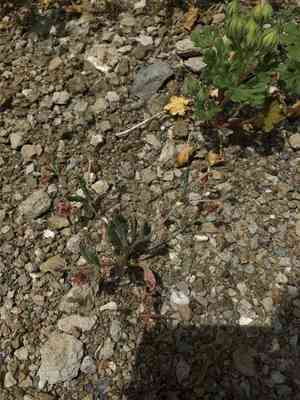
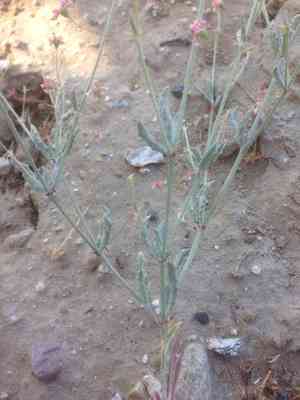
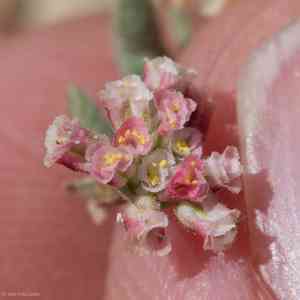
Eriogonum gracillimum can be identified by its slender, wiry stems that hold small white to pinkish flowers in rounded or flat-topped clusters. The leaves are small and typically found at the base of the plant, which tends to remain low to the ground.
Scientific Classification of Rose and white buckwheat
Phylum
Vascular plants
Class
Dicotyledons
Order
Caryophyllales
Family
Buckwheat
Genus
Wild Buckwheat
Species
Rose and white buckwheat
Planting and Growing of Rose and white buckwheat
Care Difficulty
Moderate
Watering Schedule
Every 2 days
Sunlight Requirements
Full sun
Sunshine Duration
6-10 hours
Ideal Temperature
60-75℉
Soil Type
Potting Mix, Peat Mix
Soil pH
6.5-7.5
Fertilizer Type
Balanced
Pruning Season
Spring, Summer
Pruning Area
Branches, Leaves
Pruning Frequency
2 times a year
Repotting Season
Spring
Pot Type
Terracotta, Plastic
 How to Water Rose and white buckwheat?
For Eriogonum gracillimum, it's essential to water until the soil feels moist but not soggy. A good principle is to ensure the top inch of soil is dry before watering again, which usually means around 250 ml each time.
What are the symptoms of an underwatered Rose and white buckwheat?
›
What should I do if my Rose and white buckwheat is not getting enough water?
›
What are the symptoms of an overwatered Rose and white buckwheat?
›
How to save an overwatered Rose and white buckwheat?
›
 What Are the Sunlight Requirements for Rose and white buckwheat?
Eriogonum gracillimum flourishes under full to partial sun conditions, requiring 6 to 8 hours of sunlight. The right light balance promotes flourishing blooms, enhancing its aesthetic appeal and ecological contribution.
How much sunlight does Eriogonum gracillimum need?
›
What is a good way to provide ideal lighting?
›
What benefits arise from ideal lighting?
›
 What Is the Ideal Temperature Range for Rose and white buckwheat?
Eriogonum gracillimum thrives best in a temperature range of 60-75°F. This range allows for optimal growth and development. The ideal temperature helps maintain the biological processes necessary for the plant's health.
 What Soil is Best for Rose and white buckwheat?
Eriogonum gracillimum thrives in well-drained soils that prevent water stagnation. Well-drained soil ensures that the plant’s roots get enough oxygen, which is essential for optimal growth and helps prevent root rot. Although Eriogonum gracillimum is adapted to low-nutrient environments, a moderately fertile soil allows it to maintain healthy growth. This balance ensures the plant can access sufficient nutrients without excessive competition. This species does not require high organic matter content in the soil. Limited organic matter keeps the soil structure loose and aerated, supporting root development and aiding in effective water management.
 How to Fertilize Rose and white buckwheat?
For Eriogonum gracillimum, use a dilute fertilizer solution at half strength for liquid fertilizers. For slow-release fertilizers, apply around 1 tablespoon per square foot of the soil surface. This ensures the plant receives balanced nutrients essential for its growth without causing nutrient burn.
 How to Prune Rose and white buckwheat?
Look for any dead, diseased, or damaged branches that need removal. These areas can be breeding grounds for pests and diseases. Start by gently inspecting the plant and identifying any sections that are brown, shriveled, or unhealthy in appearance. Begin by removing any visibly unhealthy parts with sterilized shears. Next, trim back excessively long or awkwardly growing branches to ensure a balanced shape. The goal is to promote air circulation and sunlight penetration, which aids in the plant's overall health. To encourage new growth, cut back some of the older branches. This stimulates the plant to produce fresh shoots and prevents it from becoming too woody or leggy. Be sure to make clean cuts just above a node where leaves meet the stems.
More About Pruning Techniques→
 How to Propagate Rose and white buckwheat plant?
1
Use a well-draining mix for seeds or cuttings. A combination of peat, sand, and perlite works well to provide aeration while retaining moisture but not becoming waterlogged.
2
Spread the seeds evenly over the soil surface and cover lightly with sand or a fine layer of soil. Keep the tray in a warm spot with indirect sunlight for optimal germination.
3
Cut a healthy stem from the parent plant, approximately 4-6 inches long. Remove lower leaves and dip the cut end into rooting hormone to enhance root development.
 How to Repot Rose and white buckwheat plant?
1
Eriogonum gracillimum generally needs repotting when you notice its roots sprawling around the surface or coming through the drainage holes. Spring or autumn is ideal, as the plant is gearing up for vigorous growth during these milder weather conditions. Look for signs such as the plant drying out more quickly than before, which indicates it's outgrown its pot.
2
Select a pot that is only 1-2 inches larger in diameter than the current one to avoid overpotting. It's crucial the pot has proper drainage holes to allow excess water to escape. This prevents root rot and keeps the plant’s environment stable, ensuring the roots don't sit in waterlogged soil.
3
Opt for a sandy, well-draining soil mix that mimics the plant’s native conditions. This will provide the necessary aeration and drainage, preventing potential waterlogging. The right soil will encourage healthy root growth and support the plant's structural stability.
Learn More About Rose and white buckwheat Diseases
Anthracnose
Bacterial Leaf Spot
Bacterial Wilt
Chemical Injury
Crown Gall
Cyst Nematode
Damping-off
Downy Mildew
Drought Stress
Fusarium Wilt
Gray Mold
Leaf Curl
Leaf Spot
Mosaic
Nutrient Deficiency
Nutrient Toxicity
Powdery Mildew
Root Rot
Root-knot Nematode
Rusts
Sooty Mold
Spider Mites
Temperature Stress
Thrips Damage
White Mold



