How to Transplant Churchill narrows buckwheat?
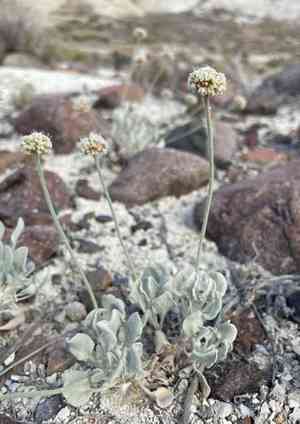
Churchill narrows buckwheat thrives when moved in the peak growing period of early to late spring, which guarantees strong root development. Select a bright, well-draining spot that replicates its native environment. Relocating it at this time fosters ideal development and acclimation.
What Preparations are Needed Before Transplanting Churchill Narrows Buckwheat?
What is the Ideal Time for Transplanting Churchill Narrows Buckwheat?
The best period for relocating churchill narrows buckwheat spans from early to late spring. Moving the plant during this window ensures it benefits from warming soil and increasing daylight, which encourages strong root development. Early spring conditions typically offer sufficient moisture without the harsh summer extremes, boosting the plant's chances for successful establishment.
How Much Space Should You Leave Between Churchill Narrows Buckwheat Plants?
For churchill narrows buckwheat, aim to position each plant 12-18 inches (30-45 cm) apart. This spacing provides ample room for growth and ensures adequate air circulation among them.
What is the Best Soil Mix for Churchill Narrows Buckwheat Transplanting?
Prepare a well-draining soil blend with sand or gravel. Enhance the soil with a foundational fertilizer, such as a balanced 10-10-10 (N-P-K) formula, to supply essential nutrients for churchill narrows buckwheat.
Where Should You Relocate Your Churchill Narrows Buckwheat?
Select a sunny spot for churchill narrows buckwheat, ensuring it receives at least 6 hours of direct sunlight daily. This guarantees the plant gets sufficient light for healthy development.
What Equipments Should You Prepare Before Transplantation Churchill Narrows Buckwheat?
Gardening Gloves
To safeguard your hands while handling soil and the plant.
Trowel
For excavating and relocating the churchill narrows buckwheat.
Shovel or Spade
To dig larger holes and trenches.
Watering Can or Hose
For hydrating the plant before and after its move.
Pruning Shears
To trim any damaged or dead roots or foliage.
Bucket or Container
To transport the plant if needed.
How Do You Remove Churchill Narrows Buckwheat from the Soil?
How Do You Remove Churchill Narrows Buckwheat from the Soil?
From Ground: First, hydrate the churchill narrows buckwheat plant to moisten the soil. Then, excavate a wide trench around the plant using a shovel or spade, ensuring the plant's root ball remains intact. Carefully work the spade beneath the root ball to lift the plant from its original spot.From Pot: Water the churchill narrows buckwheat plant thoroughly. Gently turn the pot on its side and tap the base to loosen the soil. Carefully slide the plant out, making sure to support the root ball as you do so.From Seedling Tray: Water the churchill narrows buckwheat seedlings initially. Use a trowel or spoon to gently loosen the soil surrounding the seedlings. Carefully lift each seedling from the tray, ensuring you keep as much of the root system intact as possible.
Step-by-Step Guide for Transplanting Churchill Narrows Buckwheat
Preparation
Ensure the new planting site is ready by digging a hole that is twice the size of the churchill narrows buckwheat's root ball.
Plant Removal
Extract the churchill narrows buckwheat from its initial location using the methods described above.
Place the Plant
Position the churchill narrows buckwheat in the center of the hole, making sure it sits at the same depth it was growing previously.
Backfill the Hole
Fill the hole with soil, firming it gently but avoiding excessive compaction. Ensure the plant stands upright and is not leaning.
Watering
Water the churchill narrows buckwheat thoroughly after planting to help settle the soil around the roots.
Mulching
Apply a layer of mulch around the base of the churchill narrows buckwheat to help retain moisture and regulate soil temperature.
How Do You Care For Churchill Narrows Buckwheat After Transplanting?
Watering
Keep the soil around the churchill narrows buckwheat consistently moist, but not waterlogged, for the first few weeks after transplanting to help establish strong roots.
Monitoring
Watch for signs of transplant shock, such as wilting or yellowing leaves. Provide additional care and water if necessary.
Pruning
Trim any damaged or dead foliage to encourage new growth and reduce stress on the plant.
Support
If the churchill narrows buckwheat is tall or top-heavy, consider using stakes to provide support until it is fully established.
Troubleshooting Common Issues with Churchill Narrows Buckwheat Transplantation.
When is the ideal season for transplanting churchill narrows buckwheat?
Early spring to late spring is the best time to transplant churchill narrows buckwheat for optimal growth.
How much space should I leave between churchill narrows buckwheat plants?
Maintain a spacing of 12-18 inches (30-45 cm) between churchill narrows buckwheat plants to ensure healthy growth.
What should I do if churchill narrows buckwheat roots are damaged during transplanting?
Trim damaged roots cleanly with sterilized scissors. Healthy roots will regenerate once transplanted.
Should I water churchill narrows buckwheat immediately after transplanting?
Yes, give churchill narrows buckwheat a deep watering right after transplanting to help settle the soil around the roots.
How to deal with transplant shock in churchill narrows buckwheat?
Churchill narrows buckwheat may experience transplant shock. Keep them well-watered and in partial shade until they recover.
How deep should I plant churchill narrows buckwheat in the new location?
Plant churchill narrows buckwheat at the same depth they were growing previously to avoid stem rot.
What soil conditions are ideal for churchill narrows buckwheat during transplanting?
Provide well-drained, sandy or loamy soil enriched with organic matter for transplanting churchill narrows buckwheat.
Can I transplant churchill narrows buckwheat on a hot sunny day?
Avoid transplanting churchill narrows buckwheat during hot sunny days. It's better to do it on a cool, overcast day.
What signs indicate churchill narrows buckwheat is thriving post-transplant?
New growth and firm, upright stems indicate that churchill narrows buckwheat is adjusting well to the new location.
How can I protect churchill narrows buckwheat from pests after transplanting?
Monitor churchill narrows buckwheat regularly and use natural pest deterrents, like neem oil, if pests are detected.



