How to Propagate Churchill narrows buckwheat?
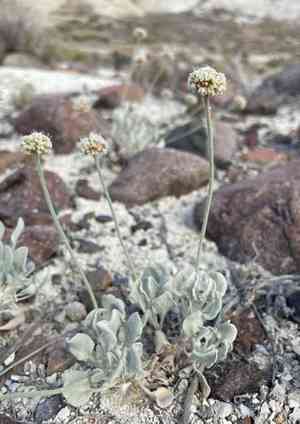
Churchill narrows buckwheat, an uncommon variety within the buckwheat lineage, flourishes in Nevada's distinct ecosystems. To achieve successful cultivation, provide sandy, well-drained substrates that replicate its natural surroundings. Direct seeding onto the soil's surface proves efficient, given that the seeds need illumination to sprout. Consistent yet restrained irrigation is essential, preventing saturated ground. Perseverance is crucial, as sprouting may not occur immediately. Diligently observe the young plants, safeguarding them from infestations and harsh climatic elements.
When Is the Optimal Time to Propagate Churchill Narrows Buckwheat?
Propagation Method
Seeding
Propagation Period
Spring
What Equipment Is Utilized in Churchill Narrows Buckwheat Propagation?
Seed Trays
These containers are for starting seeds in a controlled setting. They offer a secure environment for young plants before transplanting. For churchill narrows buckwheat, seed trays help maintain consistent moisture and protect fragile seedlings.
Soil Mix
A well-draining substrate is essential for churchill narrows buckwheat, given its native sandy, rocky environments. A specialized blend that imitates these conditions will encourage robust root growth and prevent water retention.
Humidity Dome
This accessory helps maintain moisture and warmth around the seed tray, creating an ideal microclimate for seed sprouting. For churchill narrows buckwheat, which can thrive in dry conditions, careful use of a humidity dome can prevent excessive dryness without over-saturating.
Plant Labels
Accurate labeling assists in tracking different seed types and their sowing dates. For churchill narrows buckwheat, this ensures precise monitoring and avoids confusion during the propagation process.
Watering Can with Fine Rose
Employing a watering can with a fine rose ensures gentle and even irrigation, preventing any disturbance to the seeds or young plants. This is especially important for churchill narrows buckwheat to prevent soil erosion and seed displacement.
Heat Mat
A heat mat provides consistent warmth from below, which can be advantageous in accelerating germination, particularly in cooler climates. For churchill narrows buckwheat, maintaining a stable temperature helps improve germination rates.
Grow Lights
Supplementary lighting ensures that seedlings receive sufficient light, crucial for their development, especially in low-light situations or during winter. For churchill narrows buckwheat, proper light exposure promotes strong and healthy seedling growth.
How to Propagate Churchill Narrows Buckwheat?
Propagation Difficulty
Simple
How to Care for Your Newly Propagated Churchill Narrows Buckwheat?
How to Care for Your Newly Propagated Churchill Narrows Buckwheat?
After propagation, churchill narrows buckwheat requires minimal attention but still benefits from some care. Ensure plants are placed in a sunny spot with well-draining soil to prevent root rot. Water sparingly, allowing the soil to dry out between watering. Mulch around the plant bases to retain moisture and reduce weed competition. Monitor for pests or diseases and address them promptly. Pruning is generally not needed, but removing spent flowers can encourage more blooms. Regularly check plants for signs of stress or nutrient deficiencies and adjust care as needed.
Common Errors to Avoid When Propagating Churchill Narrows Buckwheat
Overwatering
This can lead to root decay and fungal issues, especially since churchill narrows buckwheat prefers well-drained soils and tolerates drought.
Using rich, fertile soil
Churchill narrows buckwheat thrives in poor, sandy, or rocky soils. Rich soils can cause stunted growth and increased susceptibility to pests and diseases.
Ignoring sunlight requirements
Churchill narrows buckwheat needs full sun to flourish. Insufficient light can result in weak, leggy plants and reduced flowering.
Incorrect planting depth
Planting seeds or cuttings too deeply can hinder sprouting and establishment. Churchill narrows buckwheat requires proper planting depth for successful rooting.
Neglecting local climate considerations
Churchill narrows buckwheat is adapted to specific environmental conditions. Propagating outside similar conditions without adequate adjustments can lower success rates.
Advice For Propagating Churchill Narrows Buckwheat
Utilize well-draining soil
Ensure the soil mixture imitates churchill narrows buckwheat's natural habitat, which is typically well-drained and low in nutrients.
Water sparingly
Only irrigate churchill narrows buckwheat when the soil feels dry to the touch to prevent waterlogging and root rot.
Provide ample sunlight
Position churchill narrows buckwheat in a location where it can receive full sun for most of the day.
Correct planting depth
Sow seeds or plant cuttings at the appropriate depth, only lightly covering them with soil to facilitate successful germination and rooting.
Match local climate conditions
Replicate natural conditions by considering temperature, humidity, and soil type to ensure successful propagation.



