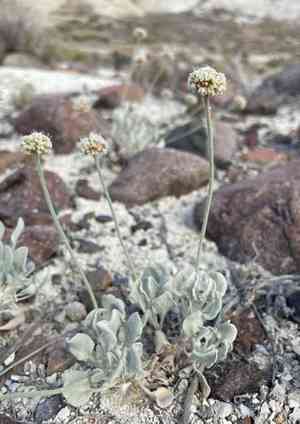
Churchill narrows buckwheat (Eriogonum diatomaceum)
Also known as: Diatom buckwheat
Churchill Narrows buckwheat thrives in arid environments through several key adaptations. It possesses a compact, cushion-like growth form that helps conserve moisture. The plant's small, waxy leaves minimize water loss by reducing evaporation. When it flowers, it produces stalks with tiny white or pink flowers, which attract pollinators and support the local ecosystem. These adaptations enable it to survive and reproduce in challenging, dry conditions.
In This Article
Attributes of Churchill narrows buckwheat
Lifespan
Perennial
Plant Type
Herb
Plant Height
5-10 cm
Spread
15-30 cm
Leaf Color
Grayish-green
Flower Size
0.5-1 cm
Flower Color
Cream to yellow
Images of Churchill narrows buckwheat
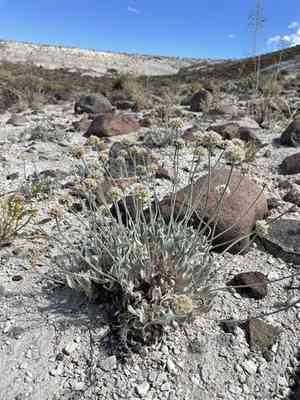
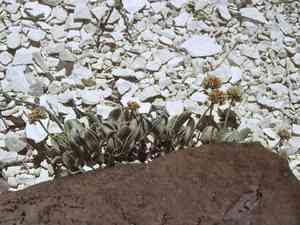
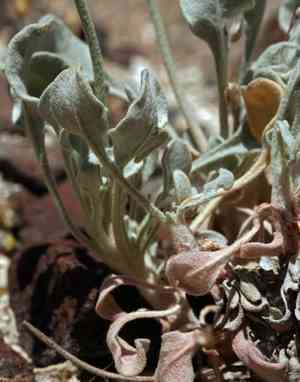
Quickly Identify Churchill narrows buckwheat
1
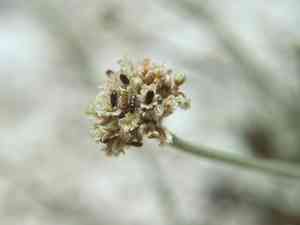
Identify Eriogonum diatomaceum by its small, rounded, grayish-green leaves, and distinctive cream to yellowish flowers. It often prefers rocky or sandy soils.
Scientific Classification of Churchill narrows buckwheat
Phylum
Vascular plants
Class
Dicotyledons
Order
Caryophyllales
Family
Buckwheat
Genus
Wild Buckwheat
Species
Churchill narrows buckwheat
Planting and Growing of Churchill narrows buckwheat
Care Difficulty
Moderate
Watering Schedule
Every 2 days
Sunlight Requirements
Full sun
Sunshine Duration
4-8 hours
Ideal Temperature
60-80℉
Soil Type
Potting Mix, Peat Mix
Soil pH
6.5-7.5
Fertilizer Type
Balanced
Pruning Season
Spring, Summer
Pruning Area
Branches, Leaves
Pruning Frequency
Once a year
Repotting Season
Spring
Pot Type
Plastic, Ceramic
 How to Water Churchill narrows buckwheat?
Eriogonum diatomaceum requires careful attention to watering amounts. Aim for around 250 ml per session, ensuring the soil is moderately damp but not overly soaked. The objective is to moisten the soil profile to encourage the roots to develop properly while avoiding waterlogging, which can lead to root rot.
What are the symptoms of an underwatered Churchill narrows buckwheat?
›
What should I do if my Churchill narrows buckwheat is not getting enough water?
›
What are the symptoms of an overwatered Churchill narrows buckwheat?
›
How to save an overwatered Churchill narrows buckwheat?
›
 What Are the Sunlight Requirements for Churchill narrows buckwheat?
Eriogonum diatomaceum benefits greatly from full sunlight, which supports optimal growth and flowering. Ensuring full sun exposure fosters a thriving and resilient plant.
What is the ideal lighting for Eriogonum diatomaceum?
›
How can I ensure Eriogonum diatomaceum receives ideal light?
›
What benefits does ideal lighting provide this plant?
›
 What Is the Ideal Temperature Range for Churchill narrows buckwheat?
Eriogonum diatomaceum thrives best within an ideal temperature range of 60°F to 80°F. This range ensures optimal growth and blooming potential. At these temperatures, the plant's metabolic processes occur efficiently, enabling it to absorb nutrients and photosynthesize effectively.
 What Soil is Best for Churchill narrows buckwheat?
Eriogonum diatomaceum thrives in well-draining soil conditions that prevent root rot and foster healthy growth. The porous nature of sandy soil ensures efficient drainage, keeping the roots aerated and preventing waterlogged conditions that could be detrimental to plant health. While Eriogonum diatomaceum can tolerate nutrient-poor soils, moderate fertility helps the plant achieve optimal growth and bloom. A balanced mix of nutrients supports robust foliage and vibrant flowers, ensuring the plant achieves its full ornamental potential. Light soil texture, such as sandy loam, provides a perfectly balanced environment that supports root development and plant stability. It allows roots to penetrate easily, which supports nutrient uptake and overall plant vigor, while still promoting adequate drainage.
 How to Fertilize Churchill narrows buckwheat?
For Eriogonum diatomaceum, the fertilization amount should be carefully calibrated to mimic its natural nutrient-poor environment. Use a balanced liquid fertilizer at a rate of half the recommended dosage to avoid overwhelming this plant.
 How to Prune Churchill narrows buckwheat?
Begin by removing any dead or diseased branches. This not only helps in enhancing the plant's appearance but also prevents any diseases from spreading to healthy parts. Trim branches to maintain a balanced shape that supports healthy growth. Ensure to cut just above a node to encourage new shoots and improve air flow through the plant.
More About Pruning Techniques→
 How to Propagate Churchill narrows buckwheat plant?
1
Collect seeds from mature plants in late summer when seed heads have dried. Ensure seeds are thoroughly dried before storing in a cool, dark place until sowing.
2
Sow seeds about 0.2 inches deep in trays filled with sterilized soil mix. Maintain a consistent temperature range of 65-75°F for optimal germination rates.
3
Once seedlings develop a set of true leaves, carefully transplant them to a larger container or directly into the garden, ensuring they are spaced properly for growth.
 How to Repot Churchill narrows buckwheat plant?
1
Eriogonum diatomaceum should be repotted when you notice growth stagnation or congestion of roots. Another signal is when the plant's current soil seems exhausted, impacting its ability to sustain the plant's health. Ideally, spring or autumn are optimal, as the plant is not under extreme heat stress in these cooler seasons.
2
Select a pot that is slightly larger than the current one to allow roots adequate growth space. Ensure the pot has drainage holes to prevent waterlog, which can lead to root rot. The material of the pot, whether terracotta or plastic, should align with your watering habits; terracotta allows soil to dry faster, making it a preferable choice for those who tend to overwater.
3
For Eriogonum diatomaceum, a well-draining sandy soil mix is crucial. Such a mix mimics its native rocky habitat, ensuring excess water drains swiftly to prevent root rot. Incorporating perlite or coarse sand can enhance the drainage capability, supporting the plant’s natural preference for drier conditions.
Learn More About Churchill narrows buckwheat Diseases
Anthracnose
Bacterial Leaf Spot
Bacterial Soft Rot
Bacterial Wilt
Black Spot
Chemical Injury
Crown Gall
Cyst Nematode
Damping-off
Downy Mildew
Drought Stress
Fusarium Wilt
Gray Mold
Leaf Curl
Leaf Spot
Mosaic
Nutrient Deficiency
Nutrient Toxicity
Powdery Mildew
Root Rot
Root-knot Nematode
Rusts
Sooty Mold
Spider Mites
Temperature Stress
Thrips Damage
White Mold



