How to Transplant Conejo buckwheat?
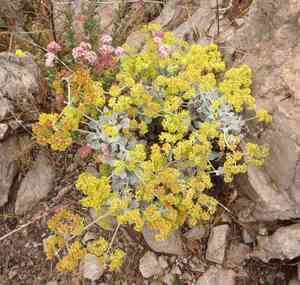
For best results, transfer conejo buckwheat during periods of moderate weather that encourage development, specifically from the latter part of spring into early summer. To ensure successful establishment, select a location that receives ample sunlight and possesses soil with good drainage, then gradually introduce conejo buckwheat to its new environment.
What Preparations are Needed Before Transplanting Conejo Buckwheat?
What is the Ideal Time for Transplanting Conejo Buckwheat?
The best time to move conejo buckwheat is when the sun gently warms the ground but isn't at its strongest, usually from mid-spring to early summer. This period is ideal because the soil is warm enough to support root growth without the stress of intense summer heat. Transplanting conejo buckwheat then helps roots establish well, using the mild temperatures and longer daylight hours to build a strong system before autumn. This timing also prevents cold spells that could hinder root development, which is vital for a successful transplant.
How Much Space Should You Leave Between Conejo Buckwheat Plants?
When planting your conejo buckwheat, make sure each plant has sufficient room to flourish. Position them 12-18 inches (30-46 cm) apart. This spacing allows each plant to access adequate nutrients and reach its full potential.
What is the Best Soil Mix for Conejo Buckwheat Transplanting?
For your conejo buckwheat, well-draining soil is crucial. Mix a balanced, slow-release fertilizer into the soil before planting. A good starting ratio is 10-10-10 or an organic blend formulated for perennials.
Where Should You Relocate Your Conejo Buckwheat?
Your conejo buckwheat thrives in sunlight! Choose a sunny location in your garden that receives at least 6 hours of direct sunlight daily. This will ensure your conejo buckwheat gets the necessary light to grow vigorously.
What Equipments Should You Prepare Before Transplantation Conejo Buckwheat?
Gardening Gloves
To safeguard your hands while handling soil and plants.
Shovel or Spade
For digging up the plant and creating a new planting site.
Wheelbarrow or Plant Dolly
To move the conejo buckwheat if it's large or needs to travel a considerable distance.
Watering Can or Hose
To hydrate the conejo buckwheat before and after its relocation.
Pruning Shears
To trim any damaged roots or foliage.
Garden Fork
To loosen the soil surrounding the plant.
Mulch
To help maintain soil moisture after the transplant.
Measuring Tape
To ensure correct spacing between plants if multiple are being transplanted.
How Do You Remove Conejo Buckwheat from the Soil?
How Do You Remove Conejo Buckwheat from the Soil?
From Ground: Start by watering the conejo buckwheat to moisten the soil, making plant removal easier. Using a shovel or spade, dig a wide trench around the plant, being careful not to harm the root ball. Gently work the tool beneath to lift the plant and its root ball from the ground.From Pot: If the conejo buckwheat is in a container, water it thoroughly to help loosen the soil. Turn the pot on its side and gently tap to encourage the root ball to slide out. If it resists, carefully loosen the soil around the edges with a garden fork and try again to remove the plant without damaging its roots.From Seedling Tray: Water the seedlings to ensure the soil is damp. Use a spoon or a small implement to carefully lift each seedling by its leaves, not the delicate stem, making sure a clump of soil with the roots remains intact.
Step-by-Step Guide for Transplanting Conejo Buckwheat
Preparation
Water the conejo buckwheat thoroughly a few hours prior to transplanting to hydrate the plant and facilitate easier removal.
Digging the New Hole
Excavate a hole in the ground that is twice the width of the conejo buckwheat's root ball and of the same depth to prevent burying it too deeply.
Preparing the Plant
Examine the root ball. Use pruning shears to remove any dead or significantly damaged roots, ensuring the remaining roots are healthy and ready for transplant.
Transplanting
Carefully place the conejo buckwheat into the new hole so it stands upright and at the same depth it was previously growing. Backfill the hole with soil, gently firming it in place.
Watering
Once the conejo buckwheat is positioned, water thoroughly to settle the soil, eliminate air pockets, and provide moisture to the roots.
Mulching
Apply a layer of mulch around the base of the conejo buckwheat, being careful not to let the mulch touch the stem. This will help maintain soil moisture and regulate temperature.
How Do You Care For Conejo Buckwheat After Transplanting?
Monitoring
Closely observe the conejo buckwheat for any signs of stress, such as wilting leaves or discoloration.
Support
Stake the conejo buckwheat if necessary to offer additional support as its roots become established.
Pruning
Trim any broken or damaged foliage to direct the conejo buckwheat's energy towards root development.
Watering
Establish a regular watering schedule to ensure the conejo buckwheat receives adequate moisture while preventing waterlogging.
Weed Management
Regularly remove any weeds from around the conejo buckwheat, taking care not to disturb the newly forming roots.
Troubleshooting Common Issues with Conejo Buckwheat Transplantation.
What's the best time to transplant conejo buckwheat for optimal growth?
Relocate conejo buckwheat during the warm period after frost, typically late spring to early summer, for the best start.
How far apart should I space conejo buckwheat when transplanting?
Place conejo buckwheat approximately 12-18 inches (30-45 cm) apart to allow each plant ample room to flourish.
Why is my conejo buckwheat wilting after transplanting?
Wilting can occur if roots are overly disturbed. Ensure gentle handling and sufficient watering after moving conejo buckwheat.
How much should I water conejo buckwheat after transplanting?
Water conejo buckwheat generously immediately after transplanting, then adjust to moderate watering, letting the soil dry between sessions.
What kind of sunlight does conejo buckwheat need post-transplant?
Conejo buckwheat thrives in full sunlight. Select a transplant site with abundant daily sunshine to encourage robust growth.
Is it necessary to fertilize conejo buckwheat after transplanting?
Conejo buckwheat typically does not require immediate fertilization post-transplant. Wait a few weeks, then apply a balanced fertilizer sparingly.
Should I prune conejo buckwheat when transplanting?
Pruning is not essential during transplant. However, removing any dead or diseased parts can help conejo buckwheat focus on establishing new roots.
How do I know if my conejo buckwheat has enough soil drainage?
Conejo buckwheat requires well-draining soil. If water collects for extended periods, consider improving drainage by adding organic materials to the soil.
Can I transplant conejo buckwheat in containers?
Absolutely! Ensure the container is sufficiently large and has drainage holes. Follow the same spacing recommendations for healthy growth.
What should I do if conejo buckwheat doesn't bloom after transplanting?
Be patient. Conejo buckwheat may need time to adjust before flowering. Ensure it receives proper sunlight, water, and nutrients. If the problem persists, check the root health.



