How to Prune Conejo buckwheat?
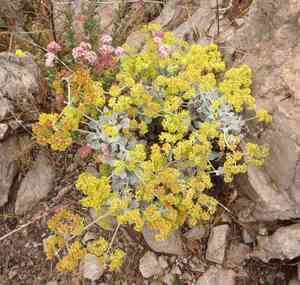
Conejo buckwheat, a perennial plant resilient to dry conditions, showcases grayish-green leaves and bright yellow blossoms. It flourishes optimally in abundant sunlight and soil that drains effectively. Essential trimming practices involve removing faded flowers to stimulate additional blooming and excising any lifeless or compromised stalks to preserve the plant's well-being. The most suitable time for pruning is in late spring or early summer, once the flowering cycle concludes. Consistent trimming benefits conejo buckwheat by hindering self-propagation, enhancing air movement, and sculpting the plant for visual attractiveness.
What Are the Benefits of Pruning Conejo Buckwheat?
What Are the Benefits of Pruning Conejo Buckwheat?
Trimming conejo buckwheat promotes abundant blooms by reallocating energy towards flower production. It also lowers the chance of pest infestations and illnesses by eliminating dead or weak tissue, which can harbor such threats.
What Is the Best Time for Pruning Conejo Buckwheat?
What Is the Best Time for Pruning Conejo Buckwheat?
Trimming conejo buckwheat in late spring or early summer is ideal, coinciding with the end of its primary flowering period. During this time, conejo buckwheat's growth cycle shifts from blooming to focusing on new development and energy storage. Pruning then reduces plant stress, encourages healthy new growth, and maintains its desired form without significantly impacting the next season's blooms. Removing spent flowers and any dead or diseased growth after blooming helps foster better plant health and vigor, ensuring conejo buckwheat continues to thrive and produce vibrant flowers in its subsequent cycle.
What Tools Do I Need to Prune Conejo Buckwheat?
Hand Pruners
Hand pruners are perfect for making precise cuts on conejo buckwheat's smaller stems due to their compact size and easy handling. Clean cuts help prevent disease and encourage healthy growth.
Pruning Shears
Pruning shears should be utilized for cutting back dead or overgrown branches, enabling the gardener to effectively shape conejo buckwheat and maintain its desired form.
Gloves
Gloves safeguard the gardener's hands from thorns and sharp edges while trimming conejo buckwheat, ensuring safety during the task.
How to Prune Conejo Buckwheat
Clean Tools
Before beginning, ensure pruning shears are clean and sharp to prevent disease spread to conejo buckwheat.
Remove Diseased Material
Carefully remove any diseased or dead leaves and branches from conejo buckwheat using the pruning shears. Cut back to healthy tissue to promote good plant health.
Trim Withered Components
Snip off withered leaves and flowers from conejo buckwheat to encourage new growth and enhance the plant's overall appearance.
Maintain Shape
To control excessive growth and preserve conejo buckwheat's natural shape, selectively prune disproportionate branches. Cut these branches at a node to encourage healthier, more compact growth.
Dispose Of Debris
Collect all pruned material from conejo buckwheat and dispose of it properly to minimize the chance of disease or pests affecting the plant in the future.
Common Pruning Mistakes with Conejo Buckwheat
Overpruning
Trimming too much at once can stress conejo buckwheat, potentially leading to poor growth or fewer flowers. It's crucial to avoid removing more than one-third of the plant's growth in a single pruning session.
Improper Cut Location
Cutting too far from a bud or leaving too long of a stub can hinder conejo buckwheat's proper healing and may invite disease. Ensure cuts are made just above a bud or branching point.
Neglecting Tool Hygiene
Using dirty or contaminated tools can introduce diseases to conejo buckwheat. Always ensure pruning tools are clean and sterilized before use to maintain plant health.
Ignoring Plant Natural Shape
Failing to consider conejo buckwheat's natural growth habit can result in an unattractive, unnatural appearance. Pruning should preserve the plant's inherent shape and form.
Common Pruning Tips for Conejo Buckwheat
Selective Pruning
Carefully choose which stems to trim based on the plant's overall shape and health. Focus on removing dead, diseased, or leggy growth to improve airflow and light penetration, which is crucial for conejo buckwheat's vitality.
Timely Pruning
While avoiding the best season for pruning, ensure that pruning is done at a time that does not disrupt conejo buckwheat's blooms or natural growth cycle.
Use Correct Tools
Employ the appropriate tools for the task, such as sharp and suitably sized pruners for conejo buckwheat. This ensures clean cuts that heal quickly and minimize damage.
Encourage Bushiness
Pinching back the tips of young conejo buckwheat plants can promote a bushier growth habit, leading to a fuller appearance and potentially more blossoms.
Consider Future Growth
Anticipate the direction of new growth when making cuts. Prune back to a bud facing the outside of the plant to encourage outward growth and prevent crowding at the center.



