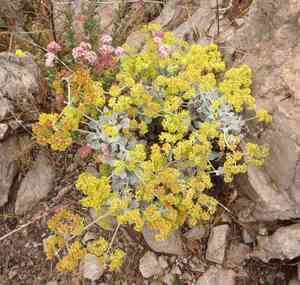
Conejo buckwheat (Eriogonum crocatum)
Also known as: Conejo Buckwheat
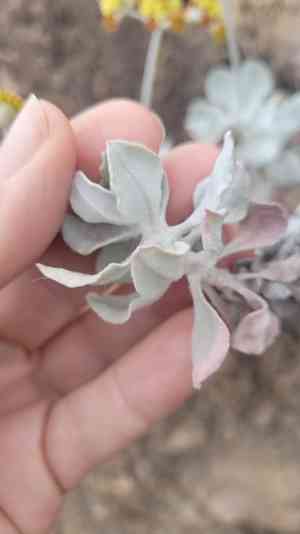
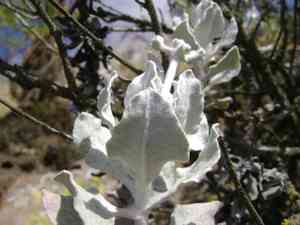
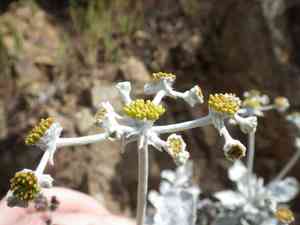
Eriogonum crocatum, also known as saffron buckwheat, is a small shrub native to Ventura County, California. It typically grows on arid hillsides and rocky outcrops. The plant is distinguished by its fuzzy, whitish leaves. While it is sometimes used in desert and xeriscape gardens due to its drought tolerance, it is challenging to grow outside its natural habitat and does not withstand freezing temperatures.
In This Article
Attributes of Conejo buckwheat
Lifespan
Perennial
Plant Type
Shrub
Plant Height
15 cm to 30 cm
Spread
1 to 2 feet (30 to 60 cm)
Leaf Color
Gray-green
Flower Size
About 0.2 to 0.5 inches (5 to 13 mm)
Flower Color
Yellow Green
Images of Conejo buckwheat
Quickly Identify Conejo buckwheat
1
Compact shrub, 1 1/2 feet (45 cm) tall, spreading 2-3 feet (60-90 cm) wide
2
Wooly silver-white leaves contrasting with sulfur yellow to chartreuse-yellow flowers
3
Flower heads shift from yellow to cinnamon-brown as seasons change
4
Evergreen foliage resilient to temperatures down to 20 F (-6.7 C)
5
Capable of resprouting if top growth affected by frost
Scientific Classification of Conejo buckwheat
Phylum
Vascular plants
Class
Dicotyledons
Order
Caryophyllales
Family
Buckwheat
Genus
Wild Buckwheat
Species
Conejo buckwheat
Planting and Growing of Conejo buckwheat
Care Difficulty
Easy
Watering Schedule
Every 2 days
Sunlight Requirements
Full sun
Sunshine Duration
6-8 hours
Ideal Temperature
60-75℉
Soil Type
Potting Mix, Peat Mix
Soil pH
6.5-7.5
Fertilizer Type
Balanced
Pruning Season
Spring, Summer
Pruning Area
Branches, Leaves
Pruning Frequency
2 times a year
Repotting Season
Spring
Pot Type
Plastic, Terracotta
 How to Water Conejo buckwheat?
Eriogonum crocatum requires careful watering, as overwatering can be detrimental. Aim to provide about 200 milliliters per session, ensuring that the water reaches the roots but doesn't leave the soil soggy. The goal is to moisten the soil without excess water standing in the pot.
What are the symptoms of an underwatered Conejo buckwheat?
›
What should I do if my Conejo buckwheat is not getting enough water?
›
What are the symptoms of an overwatered Conejo buckwheat?
›
How to save an overwatered Conejo buckwheat?
›
 What Are the Sunlight Requirements for Conejo buckwheat?
Eriogonum crocatum prospers with full sun exposure, enjoying 6 to 8 hours of direct sunlight daily. Meeting this requirement results in prolific growth, vigorous foliage, and enhanced flowering, showcasing its natural beauty.
More About Sunlight Requirements Techniques→
What type of sunlight does Eriogonum crocatum prefer?
›
How do I provide ideal lighting for Eriogonum crocatum indoors?
›
What benefits does Eriogonum crocatum gain from ideal lighting?
›
 What Is the Ideal Temperature Range for Conejo buckwheat?
Eriogonum crocatum thrives best when kept in environments with temperatures between 60 to 75 degrees Fahrenheit. This range allows it to perform optimal physiological processes necessary for growth and flowering. Maintaining temperatures within this range ensures robust growth and minimizes stress on the plant.
 What Soil is Best for Conejo buckwheat?
Eriogonum crocatum thrives in well-drained soil, which prevents root rot and ensures healthy growth. Providing soil that drains efficiently is key to supporting the plant's vigor and longevity, making for a robust specimen. This plant benefits from soil with moderate fertility, avoiding overly rich substrates that may encourage vigorous foliage at the expense of blooms. Balanced soil nutrition supports both lush foliage and abundant flowers. While somewhat tolerant, Eriogonum crocatum prefers soils not excessively alkaline, using minimal adjustments to pH levels to ensure nutrient availability and optimal absorption for enhanced plant health.
 How to Fertilize Conejo buckwheat?
Eriogonum crocatum tends to thrive on a relatively low amount of fertilizer due to its native habitat in nutrient-poor conditions. When fertilizing, use half the recommended amount stated on general-purpose fertilizers to avoid harming the plant.
 How to Prune Conejo buckwheat?
Begin by inspecting the plant and removing any dead or diseased stems. Cut back the plant slightly to encourage bushier growth and enhance blooming. Always use sharp and clean pruning shears to make precise cuts just above the leaf nodes or healthy joints. This plant benefits from light trimming throughout the growing season to maintain its shape and promote air circulation within the foliage.
More About Pruning Techniques→
 How to Propagate Conejo buckwheat plant?
1
Start by preparing a well-draining potting mix. Eriogonum crocatum prefers sandy soil that mimics its natural habitat. Use a mix of sand and peat moss to ensure proper drainage and aeration.
2
Sow the seeds on the surface of the soil mix. Lightly press them into the soil without covering them completely, as they require light for germination. Mist the soil gently to keep it moist.
3
Select healthy stems and take 4-6 inch cuttings. Remove the lower leaves and dip the cut end in rooting hormone to promote root development. Plant the cuttings in a pot with a suitable potting mix.
 How to Repot Conejo buckwheat plant?
1
Repot Eriogonum crocatum when you notice roots growing out of the drainage holes, indicating that the plant is root-bound. Another sign is a significant slowdown in growth due to cramped roots. The ideal time for repotting is during spring or early summer when the plant is in its growing phase, allowing it to adapt more effectively to the new environment.
2
Select a pot that is 1-2 inches wider in diameter than the current one. Ensure it has ample drainage holes to prevent waterlogging. A terracotta pot is preferable due to its breathable material, which helps in maintaining an ideal moisture balance and prevents root rot, especially for a drought-tolerant plant like Eriogonum crocatum.
3
Use well-draining soil such as a cactus mix or a blend of sand, perlite, and potting soil to mimic its natural habitat. This type of soil prevents root rot by allowing excess water to drain quickly, maintaining a healthy root system crucial for the plant’s survival and growth.
Learn More About Conejo buckwheat Diseases
Anthracnose
Bacterial Leaf Spot
Bacterial Soft Rot
Bacterial Wilt
Black Spot
Chemical Injury
Crown Gall
Cyst Nematode
Damping-off
Downy Mildew
Drought Stress
Fusarium Wilt
Gray Mold
Leaf Curl
Leaf Spot
Mosaic
Nutrient Deficiency
Nutrient Toxicity
Powdery Mildew
Root Rot
Root-knot Nematode
Rusts
Sooty Mold
Spider Mites
Temperature Stress
Thrips Damage
White Mold



