How to Transplant Arrowleaf buckwheat?
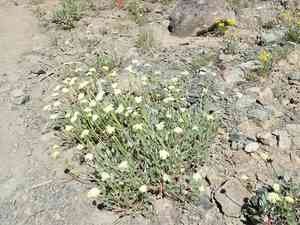
Arrowleaf buckwheat flourishes most effectively when relocated during the pleasant crispness of early to mid-spring, as this period offers ideal circumstances for root development. Select a bright, adequately drained spot to bolster its hardiness and expansion.
What Preparations are Needed Before Transplanting Arrowleaf Buckwheat?
What is the Ideal Time for Transplanting Arrowleaf Buckwheat?
Arrowleaf buckwheat, a perennial, is best moved during early to mid-spring. This period ensures optimal root development and growth due to mild temperatures and increased soil moisture. Relocating arrowleaf buckwheat at this time maximizes its chances of flourishing, leading to healthier, more robust plants that enhance a thriving garden ecosystem.
How Much Space Should You Leave Between Arrowleaf Buckwheat Plants?
Ensure you position your arrowleaf buckwheat plants approximately 18-24 inches (45-60 cm) apart. This distance provides sufficient room for them to grow and expand without overcrowding.
What is the Best Soil Mix for Arrowleaf Buckwheat Transplanting?
Prepare soil that drains effectively for your arrowleaf buckwheat. Enriching the soil with compost or a general-purpose base fertilizer will supply the necessary nutrients for vigorous growth.
Where Should You Relocate Your Arrowleaf Buckwheat?
Select a sun-drenched location for relocating your arrowleaf buckwheat. They flourish best in full sun, meaning they require about 6-8 hours of direct sunlight daily.
What Equipments Should You Prepare Before Transplantation Arrowleaf Buckwheat?
Gardening Gloves
To safeguard your hands while handling soil and plants.
Shovel or Spade
To carefully excavate the plant and its root ball.
Watering Can or Hose
For hydrating the plant prior to and following its removal.
Pruning Shears
To trim any damaged roots or foliage if required.
Garden Trowel
For precisely adjusting the size of the transplant hole.
Wheelbarrow
To transport the plant to its new spot.
Organic Compost
To enrich the soil in the new planting area.
How Do You Remove Arrowleaf Buckwheat from the Soil?
How Do You Remove Arrowleaf Buckwheat from the Soil?
From Ground: First, hydrate the arrowleaf buckwheat plant to moisten the soil. Then, excavate a wide trench around the plant using a shovel or spade, ensuring the plant's root ball remains intact. Carefully work the spade beneath the root ball to lift the plant from its original position.From Pot: Water the arrowleaf buckwheat plant thoroughly to facilitate easier removal. Gently compress the sides of the pot to loosen the soil. Incline the pot to one side and carefully slide the plant out, ensuring the root ball remains undisturbed.From Seedling Tray: Water the arrowleaf buckwheat plant before removal. Use a garden trowel or your fingers to gently lift the seedling from the tray, taking care not to harm the delicate roots. Support the root ball and stem as you transfer the plant.
Step-by-Step Guide for Transplanting Arrowleaf Buckwheat
Prepare the new site
Ensure the new planting location is ready with a hole twice as wide and equally deep as the arrowleaf buckwheat plant's root ball. Enrich the soil with organic compost.
Lift the plant
Using the described methods, carefully extract the arrowleaf buckwheat plant from its initial spot, ensuring the root ball stays whole.
Transfer the plant
Gently place the plant into the prepared hole, making sure the top of the root ball is level with or slightly below the soil surface.
Backfill with soil
Fill the hole around the plant with soil, gently firming it to eliminate air pockets but avoiding excessive compaction.
Water thoroughly
Generously water the arrowleaf buckwheat plant to help settle the soil and minimize transplant shock.
Apply mulch
Add a layer of organic mulch around the plant's base to retain moisture and regulate soil temperature.
How Do You Care For Arrowleaf Buckwheat After Transplanting?
Watering
Keep the soil around the arrowleaf buckwheat consistently moist, but not waterlogged, for the initial weeks post-transplant to aid in establishing strong roots.
Monitoring
Regularly inspect the plant for any indications of transplant shock, such as wilting or yellowing leaves, and address issues promptly.
Pruning
Trim any dead or damaged foliage to encourage new growth and help the plant direct its energy towards root establishment.
Protection
Provide support or shade if the plant exhibits signs of stress from wind or direct sunlight during the initial adjustment period.
Troubleshooting Common Issues with Arrowleaf Buckwheat Transplantation.
When is the best time to transplant arrowleaf buckwheat?
The optimal period to relocate arrowleaf buckwheat is early to mid-spring when temperatures are mild.
How should I prepare the soil for transplanting arrowleaf buckwheat?
Ensure the soil drains well and is enriched with organic matter for ideal growth conditions.
What spacing should I use when planting arrowleaf buckwheat?
Position arrowleaf buckwheat 18-24 inches (45-60 cm) apart to provide ample room for growth.
How do I handle the roots of arrowleaf buckwheat during transplanting?
Be gentle with the roots, preventing damage and ensuring they remain hydrated during relocation.
Should I water arrowleaf buckwheat immediately after transplanting?
Yes, thoroughly water arrowleaf buckwheat after transplanting to help settle the soil and support root establishment.
What type of location is best for transplanting arrowleaf buckwheat?
Select a sunny location with some partial shade to ensure arrowleaf buckwheat thrives in its new spot.
How deep should I plant arrowleaf buckwheat?
Plant arrowleaf buckwheat at the same depth it was previously growing to avoid stress.
Do I need to prune arrowleaf buckwheat before transplanting?
Lightly trim any damaged or dead leaves but avoid extensive pruning before transplanting.
Can I use fertilizer when transplanting arrowleaf buckwheat?
Avoid high-nitrogen fertilizers. Use a balanced, slow-release fertilizer to nourish arrowleaf buckwheat after transplanting.
How can I reduce transplant shock for arrowleaf buckwheat?
Keep arrowleaf buckwheat well-watered, mulched, and shaded during the initial few weeks to minimize shock.



