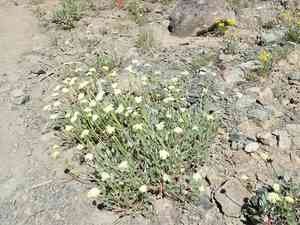
Arrowleaf buckwheat (Eriogonum compositum)
Also known as: Wild Buckwheat, Arrow-leaf Buckwheat
Arrowleaf buckwheat is a hardy plant characterized by its broad, basal leaves and clusters of small, creamy to yellow flowers on tall stems. It flourishes in dry, open environments such as sagebrush scrub and desert areas. Blooming from late spring to early summer, its flower clusters attract numerous pollinators. The plant's strong root system is well-suited to the varying moisture levels of its native habitats.
In This Article
Attributes of Arrowleaf buckwheat
Lifespan
Perennial
Plant Type
Herb
Plant Height
20 cm to 76 cm
Spread
N/A
Leaf Color
Gray-green
Flower Size
Approximately 0.5 cm (0.2 inches)
Flower Color
Yellow to white
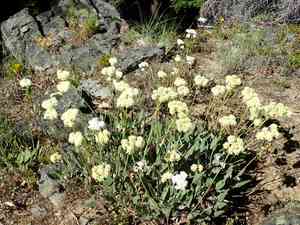
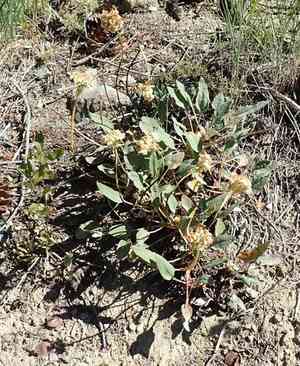
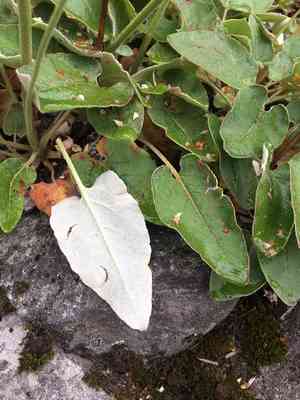
Images of Arrowleaf buckwheat
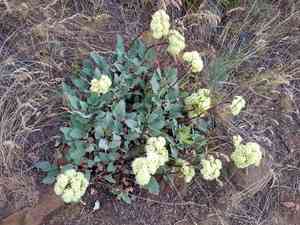
Quickly Identify Arrowleaf buckwheat
1
Eriogonum compositum can be identified by its distinctive arrow-shaped basal leaves, which are typically gray-green in color, and its clusters of small, umbrella-like flower heads that range from yellowish to white. The flowers are typically arranged in branched, leafless flower stems.
Scientific Classification of Arrowleaf buckwheat
Phylum
Vascular plants
Class
Dicotyledons
Order
Caryophyllales
Family
Buckwheat
Genus
Wild Buckwheat
Species
Arrowleaf buckwheat
Planting and Growing of Arrowleaf buckwheat
Care Difficulty
Easy
Watering Schedule
Every 2 days
Sunlight Requirements
Full sun
Sunshine Duration
4-8 hours
Ideal Temperature
60-75℉
Soil Type
Potting Mix, Peat Mix
Soil pH
6.5-7.5
Fertilizer Type
Balanced
Pruning Season
Spring, Summer
Pruning Area
Branches, Leaves
Pruning Frequency
2 times a year
Repotting Season
Spring
Pot Type
Plastic, Ceramic
 How to Water Arrowleaf buckwheat?
Eriogonum compositum prefers well-draining soil, so when watering, aim for about 250 ml per session. This amount ensures that the root zone receives enough moisture without causing water to pool, which could lead to root rot.
What are the symptoms of an underwatered Arrowleaf buckwheat?
›
What should I do if my Arrowleaf buckwheat is not getting enough water?
›
What are the symptoms of an overwatered Arrowleaf buckwheat?
›
How to save an overwatered Arrowleaf buckwheat?
›
 What Are the Sunlight Requirements for Arrowleaf buckwheat?
Prefers full sun to partial sun conditions. Ensuring this sunlight exposure level helps stimulate vigorous growth and abundant blooming, fostering a healthy lifecycle and enhancing ornamental value.
How much light does Eriogonum compositum need?
›
What solutions ensure ideal lighting for Eriogonum compositum?
›
What happens when Eriogonum compositum receives ideal lighting?
›
 What Is the Ideal Temperature Range for Arrowleaf buckwheat?
For the optimal growth of Eriogonum compositum, maintaining a temperature range of 60°F to 75°F is ideal. Within this range, the plant can efficiently carry out photosynthesis and other metabolic processes. This range provides a balance that supports vegetative and reproductive growth phases, ensuring a healthy plant structure and flowering. Ensuring environmental controls such as greenhouses can help in maintaining consistent temperatures within this ideal range.
 What Soil is Best for Arrowleaf buckwheat?
Eriogonum compositum thrives in well-drained soil, which prevents root rot by allowing excess moisture to flow away. This is essential for the plant's health as it avoids waterlogging, ensuring the roots have access to both oxygen and nutrients, thereby promoting robust growth. This plant does well in nutrient-poor soils, reducing competition with other plants for nutrients. This characteristic is especially beneficial in natural or wildflower settings where excessive fertilization isn't necessary, saving on gardening resources. Eriogonum compositum favors coarse-textured soils that allow for proper air circulation around the roots. This trait helps prevent fungal infections and enhances overall root health, providing a stable foundation for the plant to flourish.
 How to Fertilize Arrowleaf buckwheat?
For Eriogonum compositum, it's crucial to provide nourishment without overwhelming it. Use a balanced liquid fertilizer at half the recommended strength to avoid nutrient overload. For slow-release fertilizers, apply about a teaspoon per plant, ensuring the granules are well-incorporated into the topsoil. Overdoing the fertilizer can lead to root burn, so always start small and monitor plant health closely.
 How to Prune Arrowleaf buckwheat?
Start by identifying any dead or diseased stems that may hinder the plant's growth. Use sharp, sterilized scissors to cut these stems back to their base. Prune to maintain the natural shape of the plant, focusing on removing overgrown or leggy stems. This encourages a bushier growth and improves overall plant aesthetics. After pruning, clear away all the cut materials and debris around the base of the plant. This helps prevent pests and fungal diseases from taking hold.
More About Pruning Techniques→
 How to Propagate Arrowleaf buckwheat plant?
1
To propagate Eriogonum compositum, start by sowing the seeds in a seed tray filled with potting mix. Lightly cover the seeds with a thin layer of soil and mist the surface with water.
2
Place the seed tray in a location with indirect sunlight and a temperature of around 65-75°F. Maintain consistent moisture levels without overwatering to encourage germination.
3
Once the seedlings have developed a few leaves, transplant them to larger pots or directly into the garden. Gradually acclimate them to outdoor conditions if starting indoors.
 How to Repot Arrowleaf buckwheat plant?
1
Eriogonum compositum should be repotted when you notice roots circling at the base or growing out of drainage holes, or if the plant visibly outgrows its current container. Additionally, if the soil starts to compact or doesn't drain well, it's another sign a repotting is needed. Noticing these signals will ensure the plant continues to thrive and avoid unnecessary stress.
2
When selecting a pot for Eriogonum compositum, ensure it's slightly larger than the previous one, offering enough space for growth but not too big to prevent soil moisture retention issues. Drainage holes are crucial to prevent waterlogging, helping roots breathe and reducing the risk of root rot. Material-wise, a ceramic or terracotta pot helps regulate moisture.
3
Opt for a well-draining, sandy loam mix to suit Eriogonum compositum's natural habitat. This type of soil ensures good aeration and efficient water drainage, mimicking its native conditions. A mix with organic matter, like compost, complements this by providing essential nutrients and retaining the right amount of moisture.
Learn More About Arrowleaf buckwheat Diseases
Anthracnose
Bacterial Leaf Spot
Bacterial Wilt
Crown Gall
Cyst Nematode
Damping-off
Downy Mildew
Drought Stress
Fusarium Wilt
Gray Mold
Leaf Spot
Mosaic
Nutrient Deficiency
Nutrient Toxicity
Powdery Mildew
Root Rot
Root-knot Nematode
Rusts
Sooty Mold
Spider Mites
Temperature Stress
Thrips Damage
White Mold
Chemical Injury



