How to Propagate Arrowleaf buckwheat?
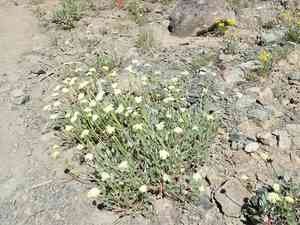
To cultivate arrowleaf buckwheat, plant seeds in soil that drains effectively, guaranteeing ample airflow. Gently conceal the seeds, as they need some illumination for sprouting. Maintain consistent soil dampness without oversaturation. Applying a mulch layer can aid in moisture retention and weed control. Select a bright, sun-filled spot for best development.
When Is the Optimal Time to Propagate Arrowleaf Buckwheat?
Propagation Method
Seeding
Propagation Period
Spring
What Equipment Is Utilized in Arrowleaf Buckwheat Propagation?
Seed Tray or Flat
These containers are employed for initiating seeds indoors under regulated conditions. They offer a shallow, easily managed environment where seeds can be closely observed. Seed trays ensure appropriate depth and spacing, which is vital for arrowleaf buckwheat.
Seed Starting Mix
A specialized, sterile substrate formulated for germinating seeds. It provides a light, well-draining environment free from pathogens. This is particularly advantageous for arrowleaf buckwheat to avert damping-off disease and foster robust root development.
Humidity Dome
A transparent plastic cover positioned over the seed tray to maintain elevated humidity levels. This generates a greenhouse effect, ensuring consistent moisture and warmth, crucial for the successful germination of arrowleaf buckwheat.
Spray Bottle
Utilized for gently misting the soil and seedlings, which prevents dislodging seeds and ensures an even distribution of moisture. Proper hydration without over-watering is essential for arrowleaf buckwheat during the initial growth phases.
Heat Mat
Placed beneath the seed tray to provide consistent bottom warmth, which aids in quicker and more uniform germination. For arrowleaf buckwheat, maintaining optimal soil temperature can significantly enhance the germination rate.
Labels and Markers
Indispensable for tracking various seed types and their planting dates. Accurate labeling helps prevent confusion and ensures appropriate care routines for arrowleaf buckwheat.
Seedling Grow Light
Supplies the necessary light spectrum and intensity to support vigorous, healthy seedling growth. As arrowleaf buckwheat seedlings emerge, having sufficient light prevents them from becoming leggy and weak.
Small Hand Trowel
Beneficial for transplanting seedlings once they are prepared to be moved into larger containers or their permanent outdoor spot. The small size permits precise, gentle handling of arrowleaf buckwheat seedlings, minimizing root disturbance.
Anti-fungal Treatment
A specialized remedy to prevent fungal infections that can impact seeds and young seedlings. Safeguarding arrowleaf buckwheat from fungal diseases is critical during early growth stages.
Temperature and Humidity Monitor
A device to track environmental conditions surrounding the seedlings. Ensuring optimal temperature and humidity levels is vital for the healthy development of arrowleaf buckwheat from seed to mature plant.
How to Propagate Arrowleaf Buckwheat?
Propagation Type
Simple
How to Care for Your Newly Propagated Arrowleaf Buckwheat?
How to Care for Your Newly Propagated Arrowleaf Buckwheat?
Following transplanting, water arrowleaf buckwheat deeply but infrequently, allowing the soil to dry out between watering sessions. Provide full sun exposure and protect against excessive moisture to prevent root rot. Applying mulch around the base can help retain soil moisture and suppress weeds.
Common Mistakes to Avoid When Propagating Arrowleaf Buckwheat
Overwatering
Excessive moisture can lead to root rot as arrowleaf buckwheat prefers well-drained soil.
Poor Soil Choice
Using dense or clay-rich soil can hinder drainage, negatively impacting root development.
Inadequate Sunlight
Arrowleaf buckwheat requires full sun exposure for optimal growth; insufficient sunlight can impede development.
Improper Seed Handling
Not correctly handling or storing seeds can reduce their viability, affecting germination rates.
Overcrowding
Planting seeds or transplants too close together can restrict growth space and cause competition for nutrients.
Tips For Propagating Arrowleaf Buckwheat
Use Well-Draining Soil
Opt for sandy or rocky soil to mimic arrowleaf buckwheat's natural habitat, ensuring proper water drainage.
Moderate Watering
Water the soil lightly and consistently, but avoid waterlogging to prevent root rot.
Ensure Full Sun Exposure
Place arrowleaf buckwheat in a location where it receives at least 6 hours of direct sunlight daily.
Seed Stratification
Cold stratify the seeds for several weeks before planting to improve germination success.
Adequate Spacing
Space the plants sufficiently to allow for growth and reduce competition for nutrients and sunlight.



