How to Transplant Prairie cupgrass?
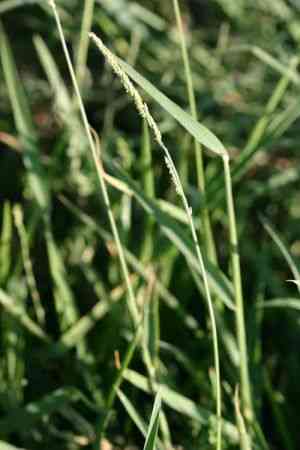
Prairie cupgrass flourishes when moved during the initial to middle part of spring. It favors bright areas with soil that drains effectively. Verify that its new spot offers identical light and ground characteristics to lessen the impact of transplantation.
Essential Preparations Before Relocating Prairie Cupgrass
Optimal Period for Relocating Prairie Cupgrass?
The most favorable season for moving prairie cupgrass is from early to mid-spring. This timeframe offers cooler temperatures and sufficient moisture, aiding root establishment. Transplanting prairie cupgrass then maximizes its growth potential and resilience, preparing it well for the warmer months ahead.
Recommended Spacing Between Prairie Cupgrass Plants?
Ensure prairie cupgrass has ample room to develop by positioning them 12-18 inches (30-45 cm) apart. This spacing guarantees adequate space for root expansion and minimizes competition for nutrients.
Ideal Soil Mixture for Prairie Cupgrass Relocation?
Prepare well-drained, loamy soil enriched with organic material. Consider incorporating a balanced base fertilizer, such as a 10-10-10 (NPK) blend, to give prairie cupgrass a strong start. The soil should be cultivated to a depth of approximately 6-8 inches (15-20 cm).
Preferred Location for Your Prairie Cupgrass?
Select a sunny site for relocating prairie cupgrass. This plant thrives best in full sunlight, requiring at least 6-8 hours of direct sun daily. Confirm the chosen spot is free from dense shade for optimal development.
Equipment Needed Before Transplanting Prairie Cupgrass
Gardening Gloves
To safeguard your hands while handling soil and plants.
Hand Trowel
Useful for excavating small holes and shifting earth.
Spade or Shovel
For digging larger holes and trenches.
Watering Can or Hose
To maintain soil moisture during the relocation process.
Pruning Shears
To trim any damaged roots or foliage.
How to Extract Prairie Cupgrass from the Soil?
How to Extract Prairie Cupgrass from the Soil?
From Ground: First, hydrate the prairie cupgrass plant to moisten the soil. Next, excavate a wide trench around the plant using a shovel or spade, ensuring the plant's root ball remains intact. Carefully work the spade beneath the root ball to lift the plant from its original spot.From Pot: Water the prairie cupgrass plant thoroughly before removal. Gently tilt the container and tap it to loosen the soil. Carefully slide the plant out, making sure to keep the root ball intact.From Seedling Tray: Water the seedlings generously before removal. Use a small hand trowel or your fingers to gently lift each seedling from the tray, taking care not to harm the roots.
Step-by-Step Guide for Relocating Prairie Cupgrass
Hole Preparation
Excavate a hole in the ground that is twice the width and the same depth as the prairie cupgrass's root ball.
Plant Placement
Carefully position the prairie cupgrass plant into the hole, ensuring the top of the root ball is level with the surrounding ground.
Backfill Soil
Refill the hole with the excavated earth, gently pressing it around the roots to eliminate air pockets.
Watering
Thoroughly water the prairie cupgrass plant to settle the soil around its roots.
Post-Transplant Care for Prairie Cupgrass
Watering
Keep the soil around the prairie cupgrass consistently moist, but not waterlogged, for the initial weeks after transplanting to aid in strong root establishment.
Mulching
Apply a layer of mulch around the base of the prairie cupgrass plant to retain moisture and suppress weed growth.
Monitoring
Regularly inspect the prairie cupgrass plant for signs of stress or disease, and address any issues promptly.
Resolving Common Issues with Prairie Cupgrass Relocation.
When is the best time to transplant prairie cupgrass?
The ideal period is from early spring to mid-spring for optimal growth conditions.
What spacing should I use for prairie cupgrass plants?
Space the plants 12-18 inches (30-45 cm) apart to ensure healthy development.
What soil type is best for prairie cupgrass?
Prairie cupgrass thrives in well-draining soil with moderate fertility.
How often should I water newly transplanted prairie cupgrass?
Water thoroughly after transplanting, then maintain moist soil without over-saturating.
Should I use mulch after transplanting prairie cupgrass?
Yes, applying mulch helps retain soil moisture and control weeds.
How do I manage root damage during prairie cupgrass transplanting?
Gently trim any damaged roots and ensure proper soil contact for recovery.
What if prairie cupgrass shows signs of transplant shock?
Keep the soil consistently moist and provide partial shade until it recovers.
Is fertilization necessary for prairie cupgrass after transplanting?
Fertilize lightly with a balanced fertilizer after a few weeks to support new growth.
How can I prevent pests when transplanting prairie cupgrass?
Inspect for pests before transplanting and use natural pest repellents as needed.
Is wilting normal for prairie cupgrass after transplanting?
Yes, slight wilting is normal; ensure proper watering and shading to aid recovery.



