The Prairie cupgrass Plant Advantage: Maximizing Home and Office Appeal and Wellness
1
This plant tolerates dry conditions well and needs little water.
2
It helps local environments by offering shelter to animals.
3
It can serve as a natural method to prevent soil loss.
Why Opt for Prairie Cupgrass in Your Garden?
Aridity Tolerance
Prairie cupgrass is an excellent selection for gardens in areas prone to dryness. Its natural adaptation to low-water conditions means it can flourish with minimal watering. This not only conserves water but also lessens the upkeep needed to keep your garden vibrant.
Support for Local Ecosystems
A significant advantage of cultivating Prairie cupgrass is its positive effect on local ecosystems. By offering refuge and sustenance for various wildlife, this plant aids in sustaining biodiversity. Birds, insects, and small mammals can find shelter in its foliage, making it a valuable addition to any sustainable garden.
What Are the Practical Advantages of Prairie Cupgrass?
Soil Erosion Control
Prairie cupgrass possesses robust root systems that help stabilize soil, making it effective in preventing erosion. This is particularly beneficial for gardens on inclines or in areas with loose earth. By planting Prairie cupgrass, you can safeguard your land from erosion and preserve your landscape's integrity.
Minimal Upkeep
Another practical benefit of Prairie cupgrass is its low maintenance requirements. Once established, this plant needs very little care, making it ideal for gardeners who prefer low-effort landscaping. Its resistance to pests and diseases further reduces the need for chemical treatments, fostering a healthier garden environment.
How Does Prairie Cupgrass Enhance Visual Appeal?
Aesthetic Charm
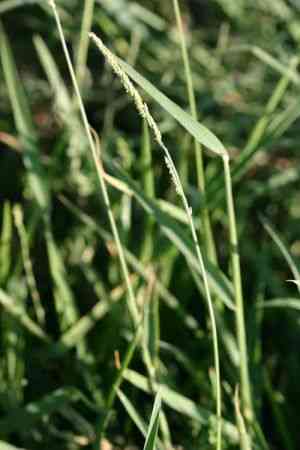
Prairie cupgrass introduces a unique visual element to any garden with its distinct foliage and growth habit. Its lush, green blades can create a striking contrast against other plants, adding depth and texture to your garden design. Whether used as a standalone feature or integrated into a mixed planting scheme, Prairie cupgrass enhances your garden's overall beauty.
Seasonal Interest
One of the appealing aspects of Prairie cupgrass is its capacity to provide visual interest throughout the seasons. In spring and summer, its fresh green foliage is vibrant and lush. As autumn approaches, the plant may display color changes, adding a warm hue to your garden. This seasonal variation keeps your garden dynamic and engaging year-round.
What Are the Environmental Benefits of Prairie Cupgrass?
Carbon Sequestration
Prairie cupgrass contributes to carbon sequestration, helping to absorb carbon dioxide from the atmosphere and store it in the soil. This process is vital for mitigating climate change and promoting a healthier environment. By planting Prairie cupgrass, you help reduce the overall carbon footprint.
Improved Soil Health
The dense root system of Prairie cupgrass not only prevents erosion but also enriches the soil. The roots help improve soil structure by breaking up compacted areas and promoting aeration. Additionally, organic matter from decomposing roots adds nutrients to the soil, enhancing its fertility over time.



