
Prairie cupgrass (Eriochloa contracta)
Also known as: Prairie Cupgrass, Plains Cupgrass
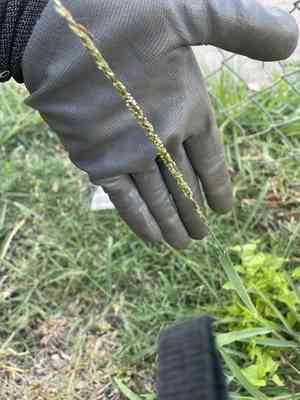
This annual grass can reach a height of about one meter when growing upright, though it often exhibits a sprawling habit, with stems that root at nodes when they contact the soil. The flowering structure extends up to 20 centimeters in length, featuring multiple lateral branches. These branches are adorned with small, purplish seed heads that are only a few millimeters in size.
In This Article
Attributes of Prairie cupgrass
Lifespan
Annual
Plant Type
Grass
Plant Height
Typically grows 30 cm to 100 cm tall
Spread
Not applicable for grass species
Leaf Color
Green
Flower Size
Not applicable for grass species
Flower Color
Greenish
Images of Prairie cupgrass

Quickly Identify Prairie cupgrass
1
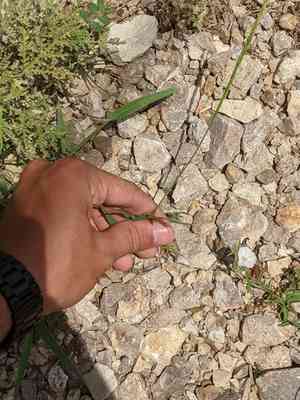
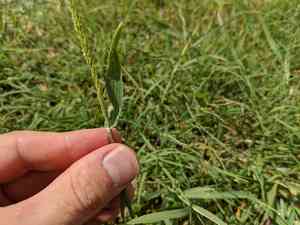
To identify Eriochloa contracta, look for its characteristic one-sided racemes and cup-like structure at the base of the spikelets. The leaves are flat and linear, and its inflorescence is generally less than 15 cm long.
Scientific Classification of Prairie cupgrass
Phylum
Vascular plants
Class
Monocotyledons
Order
Poales
Family
Grass
Genus
Cupgrasses
Species
Prairie cupgrass
Planting and Growing of Prairie cupgrass
Care Difficulty
Easy
Watering Schedule
Every 2 days
Sunlight Requirements
Partial sun
Sunshine Duration
4-8 hours
Ideal Temperature
68-77℉
Soil Type
Potting Mix, Peat Mix
Soil pH
6.5-7.5
Fertilizer Type
Balanced
Pruning Season
Spring, Summer
Pruning Area
Branches, Leaves
Pruning Frequency
2 times a year
Repotting Season
Spring
Pot Type
Plastic, Ceramic
 How to Water Prairie cupgrass?
Eriochloa contracta needs a moderate amount of water; around 500 ml per session is adequate. Ensure the soil is evenly moist, reaching the roots but not excessively soaking them, to avoid potential root rot.
What are the symptoms of an underwatered Prairie cupgrass?
›
What should I do if my Prairie cupgrass is not getting enough water?
›
What are the symptoms of an overwatered Prairie cupgrass?
›
How to save an overwatered Prairie cupgrass?
›
 What Are the Sunlight Requirements for Prairie cupgrass?
Maintaining partial sun conditions benefits Eriochloa contracta, ensuring healthy leaf color and optimized growth without the risks associated with extreme light conditions.
What kind of light does Eriochloa contracta need?
›
How to ensure Eriochloa contracta gets its ideal light?
›
What are the benefits of ideal lighting for Eriochloa contracta?
›
 What Is the Ideal Temperature Range for Prairie cupgrass?
The ideal temperature range for growing Eriochloa contracta is between 68°F and 77°F. This range ensures optimal metabolic processes, leading to robust growth and optimal photosynthesis rates. Maintaining temperatures within this range can help prevent stress-related issues and allows the plant to thrive.
 What Soil is Best for Prairie cupgrass?
Eriochloa contracta thrives in well-drained soil that prevents waterlogging, allowing its roots to breathe adequately and ensuring optimal growth. This plant benefits from a soil with moderate nutrient content, which helps it establish a robust root system without being overwhelmed by excess nutrients. An aerated soil structure is essential for Eriochloa contracta as it ensures proper root expansion and nutrient absorption, leading to healthier plant development.
 How to Fertilize Prairie cupgrass?
Eriochloa contracta benefits from moderate fertilization. Use about half a teaspoon of balanced liquid fertilizer per gallon of water for routine feeding. For solid fertilizers, apply about one tablespoon per square foot, ensuring an even distribution.
 How to Prune Prairie cupgrass?
After pruning, it is crucial to clear away all cuttings and debris immediately. Leaving such waste around can become a breeding ground for pests and diseases, affecting not only Eriochloa contracta but other neighboring plants as well. Ensure that the plant receives adequate water and nutrients after pruning. This support helps the plant recover swiftly and promotes new growth. Be vigilant for any signs of stress or disease following pruning, and adjust care as needed.
 How to Propagate Prairie cupgrass plant?
1
Prepare your seed tray with a suitable potting mix. Lightly moisten the soil before planting seeds, ensuring even distribution and prevention of waterlogging, which can deter successful germination.
2
Scatter the seeds on the surface of the soil and gently press them into the potting mix. Do not cover them deeply as Eriochloa contracta seeds require light for effective germination.
3
Place the seed tray in a warm location with indirect sunlight. Maintain soil moisture by lightly misting it, avoiding water saturation that can cause seeds to rot.
 How to Repot Prairie cupgrass plant?
1
The ideal time to repot Eriochloa contracta is when the plant shows signs of being root-bound, such as stunted growth or emerging roots through drainage holes. Typically, this occurs every 2-3 years, making it a perfect candidate for repotting in spring or summer when the plant is actively growing.
2
Select a pot that is 2-3 inches wider in diameter than the current one. This ensures sufficient space for root expansion without overwhelming the plant's root system, facilitating healthy growth. Opt for pots with good drainage to prevent waterlogging, which can be detrimental to the plant.
3
Choose a well-draining loamy mix to provide the best growing conditions for Eriochloa contracta. This type of soil allows adequate moisture retention while ensuring excess water is efficiently drained away, thus preventing root rot which can occur in overly saturated soils.
Toxicity
Ingestion
WARNING
The judgment on toxicity and danger is for reference only. We DO NOT GUARANTEE any accuracy of such judgment. Therefore, you SHALL NOT rely on such judgment. It is IMPORTANT TO SEEK PROFESSIONAL ADVICE in advance when necessary.



