How to Transplant Lobed fleabane?
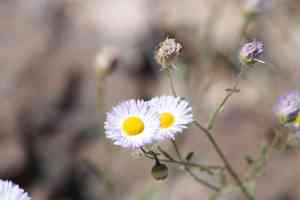
Lobed fleabane flourishes when relocated from the beginning of spring to its end, since the mild weather aids in root development. Select a spot with ample sunlight to partial shade and soil that drains effectively for optimal growth.
What Preparations are Needed Before Transplanting Lobed Fleabane?
What is the Ideal Time for Transplanting Lobed Fleabane?
The optimal period for moving lobed fleabane is from the beginning to the end of spring. This timing allows the plant to establish its root system before summer's heat, promoting vigorous development. Transplanting during this window maximizes water availability and reduces plant stress, leading to stronger, healthier growth.
How Much Space Should You Leave Between Lobed Fleabane Plants?
When planning to transplant lobed fleabane, ensure each plant is spaced 12-18 inches (30-45 cm) apart. This provides ample room for growth and ensures proper air circulation between plants, helping them flourish.
What is the Best Soil Mix for Lobed Fleabane Transplanting?
Prepare well-draining soil enriched with compost or a balanced, slow-release fertilizer. This will supply the essential nutrients for lobed fleabane to become established and grow robustly.
Where Should You Relocate Your Lobed Fleabane?
Select a sunny spot for transplanting lobed fleabane. This plant needs full sun to partial shade, ensuring it receives at least 6 hours of direct sunlight daily for optimal development.
What Equipments Should You Prepare Before Transplantation Lobed Fleabane?
Gardening Gloves
To safeguard your hands while handling soil and plants.
Trowel
For digging around the root ball and scooping earth.
Shovel or Spade
Used for excavating a hole in the ground and for initial plant removal if it's in the ground.
Watering Can
To moisten the soil before and after the transplanting process.
Pruning Shears
To trim any damaged roots or stems during the transplant operation.
Plant Labels
To help keep track of your transplants if you are moving multiple plants at once.
How Do You Remove Lobed Fleabane from the Soil?
How Do You Remove Lobed Fleabane from the Soil?
From Ground: First, hydrate the lobed fleabane plant to moisten the soil. Then, excavate a wide trench around the plant using a shovel or spade, ensuring the plant's root ball remains intact. Carefully work the spade beneath the root ball to lift the plant from its original spot.From Pot: Thoroughly water the lobed fleabane plant. Gently tap the pot's sides to loosen the plant. Carefully extract the lobed fleabane plant, holding it by the stem's base and ensuring the root ball stays whole.From Seedling Tray: Gently moisten the soil to facilitate removal. Use a small trowel or your fingers to carefully lift each seedling by its root ball, taking care not to harm the delicate roots.
Step-by-Step Guide for Transplanting Lobed Fleabane
Site Selection
Choose a location with adequate sunlight and space for your lobed fleabane plant to reach its mature size.
Prepare the Soil
Amend the soil with organic matter if necessary to ensure it is fertile and drains well.
Dig a Hole
Excavate a hole in the ground that is twice as wide and as deep as the root ball of the lobed fleabane plant.
Place the Plant
Carefully position the lobed fleabane plant into the hole, ensuring the top of the root ball is level with the surrounding ground.
Backfill and Tamp
Refill the hole with soil, gently pressing it down around the root ball to eliminate air pockets.
Water Thoroughly
Generously water the lobed fleabane plant immediately after planting to settle the soil around its roots.
How Do You Care For Lobed Fleabane After Transplanting?
Watering
Keep the soil around the lobed fleabane consistently moist, but not waterlogged, for the initial weeks post-transplant to aid in root establishment.
Mulching
Apply a layer of mulch around the base of the lobed fleabane plant to retain moisture and stabilize soil temperature.
Monitoring
Regularly inspect the lobed fleabane plant for any indications of stress or pests, and address issues promptly.
Support
If the plant appears unstable, provide support with stakes to help it remain upright until it re-establishes itself.
Troubleshooting Common Issues with Lobed Fleabane Transplantation.
When is the best time to transplant lobed fleabane?
The optimal time to transplant lobed fleabane is from early spring to late spring for best growth.
How far apart should lobed fleabane be spaced?
Lobed fleabane should be spaced 12-18 inches (30-45 cm) apart to ensure sufficient room for growth.
What soil conditions are suitable for transplanting lobed fleabane?
Lobed fleabane thrives in well-drained soil with a pH range of 6.0 to 7.5.
How deep should I plant lobed fleabane during transplantation?
Plant lobed fleabane at the same depth it was growing in its original container.
What temperature is ideal for transplanting lobed fleabane?
Ideal soil temperature for transplanting lobed fleabane is 60-70°F (15-21°C).
How should I handle lobed fleabane roots during transplanting?
Be gentle with lobed fleabane roots; avoid damaging them and keep them moist during transplantation.
How do I prepare the new site for transplanting lobed fleabane?
Loosen the soil and remove any weeds or debris at the new site before planting lobed fleabane.
How often should I water lobed fleabane after transplanting?
Water lobed fleabane thoroughly after transplanting and keep the soil moist but not waterlogged.
What sunlight conditions does lobed fleabane require after transplanting?
Lobed fleabane prefers full sun to partial shade; ensure it gets at least 6 hours of sunlight daily.
Do I need to fertilize lobed fleabane after transplanting?
A balanced, slow-release fertilizer can be applied sparingly to support lobed fleabane's growth after transplanting.



