How to Propagate Lobed fleabane?
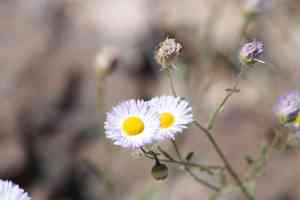
Lobed fleabane flourishes when reproduced via the seeding technique. Cultivators ought to concentrate on planting seeds in soil that drains effectively, making sure they are thinly veiled. The site needs to offer abundant sunlight and be maintained uniformly damp, yet never saturated. These circumstances will foster the best possible growth and maturation of the nascent flora.
Optimal Time for Lobed Fleabane Propagation
Propagation Method
Seeding
Propagation Period
Spring
Essential Tools for Lobed Fleabane Propagation
Seed trays
Seed trays offer a controlled setting crucial for sowing and germinating lobed fleabane seeds. They enable uniform seed distribution, ensuring each seed has ample room to grow without early competition. These trays also simplify managing soil moisture and temperature, vital for lobed fleabane seed germination.
Sterilized soil or seed starting mix
Employing sterilized soil or a pathogen-free seed starting mix is key to preventing soil-borne diseases that could hinder lobed fleabane's germination and initial growth. These mediums are specifically formulated to provide ideal aeration and drainage, helping maintain optimal soil consistency and moisture for lobed fleabane.
Misting bottle
A misting bottle is needed to gently water lobed fleabane seeds and seedlings, minimizing the chance of washing away or burying seeds under too much soil. Proper hydration is crucial during early germination, and the misting bottle allows for even, delicate moisture distribution, boosting seedling survival rates.
Heat mats
Heat mats are useful tools for propagating lobed fleabane as they help maintain a consistent temperature necessary for effective seed germination. Lobed fleabane requires specific warm conditions to begin germinating, and a heat mat reliably provides and controls these conditions, improving the germination rate.
Grow lights
If natural light is insufficient, grow lights can supply the necessary light spectrum for photosynthesis in lobed fleabane seedlings. Grow lights support seedlings during critical early growth stages, ensuring they develop strong and healthy enough for successful transplanting.
How to Propagate Lobed Fleabane?
Propagation Type
Simple
Caring for Your Newly Propagated Lobed Fleabane
Caring for Your Newly Propagated Lobed Fleabane?
Post-germination, gradually introduce seedlings to outdoor conditions over about a week. Transplant them to their permanent spot in a sunny location with well-draining soil. Water regularly, but allow the soil to dry slightly between waterings. Monitor young lobed fleabane plants for pests and diseases. Consistent care and early preventive measures will help establish a robust plant.
Common Errors to Avoid When Propagating Lobed Fleabane
Overwatering
Excessive watering of lobed fleabane can lead to root rot. Too much moisture around the roots impedes proper air circulation, causing roots to suffocate and decay, ultimately harming plant health and reducing propagation success.
Using Diseased Cuttings
Propagating lobed fleabane with diseased or weak cuttings can result in poor growth or failure to root. Disease can spread rapidly, compromising the health of new plants and potentially affecting nearby plants.
Deep Planting
Planting lobed fleabane cuttings too deeply can hinder their ability to root effectively. Deep planting might cause cuttings to rot before they can establish roots, lowering the overall propagation success rate.
Tips For Propagating Lobed Fleabane
Proper Cutting Selection
Select healthy, disease-free cuttings for propagating lobed fleabane. Choosing vigorous cuttings from a robust parent plant ensures better root development and a higher success rate.
Optimal Soil Conditions
Use a well-draining medium for planting lobed fleabane cuttings. Ensuring the soil mixture drains well while retaining necessary moisture supports effective rooting without the risk of waterlogging.
Correct Depth and Spacing
Plant lobed fleabane cuttings shallowly and ensure they are well-spaced to promote adequate air circulation and prevent fungal infections. Proper spacing aids in the successful establishment of new plants.



