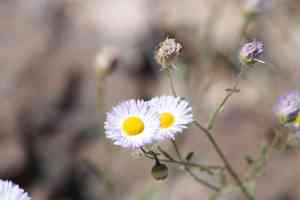
Lobed fleabane (Erigeron lobatus)
Also known as: Erigeron lobatus does not have commonly known aliases.
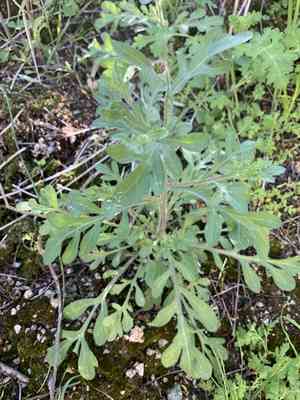
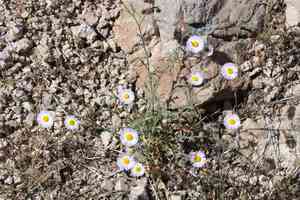
Erigeron lobatus is a branching annual herb that can grow up to 50 cm in height and develops a taproot system. The leaves are pinnatifid or bipinnatifid and can reach up to 10 cm in length. Each stem typically produces 1-5 flower heads, each containing up to 110 white ray florets and numerous yellow disc florets. It is commonly found in desert areas, often coexisting with creosotebush.
In This Article
Attributes of Lobed fleabane
Lifespan
Biennial
Plant Type
Herb
Plant Height
40-60 cm
Spread
Not widely documented
Leaf Color
Green
Flower Size
1-2 cm
Flower Color
White, Pink
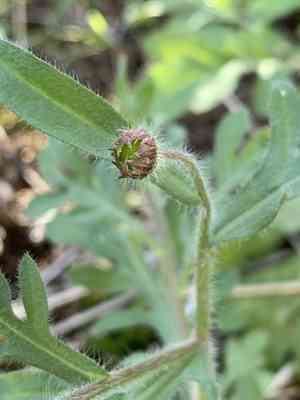
Images of Lobed fleabane
Quickly Identify Lobed fleabane
1
To identify Erigeron lobatus, look for its small, white to pinkish flowers that resemble typical daisies, as well as its lobed leaves.
Scientific Classification of Lobed fleabane
Phylum
Vascular plants
Class
Dicotyledons
Order
Asterales
Family
Daisy
Genus
Fleabanes
Species
Lobed fleabane
Planting and Growing of Lobed fleabane
Care Difficulty
Easy
Watering Schedule
Every day
Sunlight Requirements
Partial sun
Sunshine Duration
4-8 hours
Ideal Temperature
60-75℉
Soil Type
Potting Mix, Peat Mix
Soil pH
6.5-7.5
Fertilizer Type
Balanced
Pruning Season
Spring, Summer
Pruning Area
Branches, Leaves
Pruning Frequency
2 times a year
Repotting Season
Spring
Pot Type
Plastic, Ceramic
 How to Water Lobed fleabane?
For Erigeron lobatus, water until the moisture penetrates down to a depth of about 10 to 15 cm, roughly estimated at 200 ml of water depending on the size of the plant. The key is to ensure the soil remains consistently moist but not waterlogged, allowing the plant's root system to breathe and uptake nutrients efficiently.
What are the symptoms of an underwatered Lobed fleabane?
›
What should I do if my Lobed fleabane is not getting enough water?
›
What are the symptoms of an overwatered Lobed fleabane?
›
How to save an overwatered Lobed fleabane?
›
 What Are the Sunlight Requirements for Lobed fleabane?
Erigeron lobatus prefers partial sun, ideally in spaces allowing dappled sunlight or morning sun exposure with protection during peak sunlight hours. This balance optimizes photosynthesis while preventing potential damage, promoting lush, healthy growth and vibrant flowering.
Does Erigeron lobatus prefer direct sunlight or indirect sunlight?
›
What is the best location to place Erigeron lobatus for ideal lighting?
›
What are the benefits of providing ideal lighting conditions for Erigeron lobatus?
›
 What Is the Ideal Temperature Range for Lobed fleabane?
Erigeron lobatus thrives best within a temperature range of 60-75°F. This range provides optimal conditions for metabolic processes and supports healthy growth. Temperatures within this bracket enhance cellular respiration and photosynthesis, promoting vigorous development.
 What Soil is Best for Lobed fleabane?
Erigeron lobatus thrives in well-drained soils that prevent root rot. These soils allow for adequate air circulation, reducing the risk of fungal diseases and ensuring healthy root development. This plant benefits from a nutrient-rich soil that provides essential minerals for vigorous growth. Supplementing with organic matter improves nutrient availability, supporting vibrant foliage and blooming. Soils that balance moisture retention help sustain Erigeron lobatus during dry spells. Such soils supply enough water to the roots without waterlogging, ensuring optimal hydration and growth.
 How to Fertilize Lobed fleabane?
For Erigeron lobatus, a balanced approach to fertilization is essential. When using liquid fertilizers, apply at half the recommended strength to avoid overfeeding. A typical guideline is 1/2 of the label's suggested amount per plant per application.
 How to Prune Lobed fleabane?
Begin by identifying any stems that appear dead or damaged. These should be removed first to promote healthy growth. Use a sharp pruner to cut these stems back to the healthy part of the plant, ensuring a clean and precise cut. After removing unwanted stems, focus on shaping Erigeron lobatus for aesthetic appeal. Trim back the outer growth to maintain a compact shape, which encourages bushier growth and enhances blooming. Be cautious not to remove more than one-third of the plant at a time.
More About Pruning Techniques→
 How to Propagate Lobed fleabane plant?
1
Collect mature seeds from a healthy plant. Clean them to remove any debris, and if necessary, perform a stratification process by chilling them for a few weeks to break dormancy.
2
Select a healthy stem and cut it at a 45-degree angle. Remove any leaves on the lower half of the cutting to ensure successful rooting and reduce moisture loss.
3
Gently uproot a mature plant and divide it into smaller sections with roots intact. This method is useful for older plants that have outgrown their space in the garden.
 How to Repot Lobed fleabane plant?
1
It's time to repot Erigeron lobatus when you notice roots emerging from the drainage holes, or the plant's growth appears stunted despite proper care. Spring and early summer are the best seasons to repot, as the plant is actively growing and can recover more quickly.
2
A pot that is slightly larger than the previous one is ideal, as it helps prevent overwatering while giving the roots room to grow. Make sure it has adequate drainage to prevent root rot, which is a common issue in poor-draining pots for Erigeron lobatus.
3
Select a well-draining potting mix, ideally one that retains some moisture but drains quickly. This helps prevent waterlogging, ensuring that the roots of Erigeron lobatus receive enough oxygen and can thrive in their new environment.
Learn More About Lobed fleabane Diseases
Anthracnose
Bacterial Leaf Spot
Bacterial Soft Rot
Bacterial Wilt
Chemical Injury
Cyst Nematode
Damping-off
Downy Mildew
Drought Stress
Fusarium Wilt
Gray Mold
Leaf Curl
Leaf Spot
Mosaic
Nutrient Deficiency
Nutrient Toxicity
Powdery Mildew
Root Rot
Root-knot Nematode
Rusts
Sooty Mold
Spider Mites
Temperature Stress
Thrips Damage
White Mold



