How to Transplant Desert rabbitbrush?
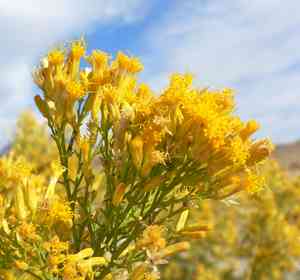
For desert rabbitbrush, the ideal time for transplanting spans from the mild warmth of late spring into the initial phase of summer. This schedule guarantees strong root development before the dormancy of autumn. Position desert rabbitbrush in areas receiving ample sunlight, within soil that drains effectively; the substrate should be adequately damp but never waterlogged to minimize transplant shock.
Preparations Required Before Relocating Desert Rabbitbrush?
Optimal Period for Transplanting Desert Rabbitbrush?
The perfect time to move desert rabbitbrush is from the start of its blooming season until early summer. Transplanting desert rabbitbrush during this window allows roots to settle in mild conditions, boosting its strength before intense heat. This timing also lets the plant benefit from the peak growing season for best development. Favorable weather makes it easier for gardeners, creating a supportive environment for desert rabbitbrush to thrive after being moved.
Recommended Spacing Between Desert Rabbitbrush Plants?
Hello there! When getting desert rabbitbrush ready for a new spot, you'll want to give them ample room to grow. Aim for about 24-36 inches (61-91 cm) between each plant. This provides plenty of space for them to become large and healthy!
Ideal Soil Mixture for Desert Rabbitbrush Transplantation?
For desert rabbitbrush, a healthy root system means a happy plant! Begin with soil that drains well, as desert rabbitbrush prefers a location that doesn't stay wet for too long. Before planting, mix in a low-nitrogen fertilizer to give them a gentle boost. Consider it their welcoming treat!
Optimal Location for Relocating Your Desert Rabbitbrush?
Sunlight is desert rabbitbrush's best companion! Choose a bright spot in your garden where they can soak up full sun for most of the day. This will help them grow strong and produce the beautiful foliage they are known for. Enjoy the sun, desert rabbitbrush!
Equipment to Prepare Before Transplanting Desert Rabbitbrush?
Gardening Gloves
To safeguard your hands while handling soil and the plant.
Shovel or Spade
For excavating the plant and moving it.
Wheelbarrow
To transport the plant and soil.
Watering Can or Hose
To hydrate the plant before and after relocation.
Pruning Shears
For trimming any dead or excess growth.
Tarp
To hold the excavated soil and to move the root ball.
Stakes
For supporting the plant if needed after transplanting.
Measuring Tape
To determine the correct depth and spacing for the hole.
Method for Removing Desert Rabbitbrush from the Soil?
Method for Removing Desert Rabbitbrush from the Soil?
From Ground: Hydrate the desert rabbitbrush plant to moisten the soil. Dig a wide trench around the plant using a shovel or spade, ensuring the plant's root ball is preserved. Gently work the tool beneath the root ball and carefully lift the plant from the ground.From Pot: Tilt the container sideways and gently tap the sides to loosen the soil. Support the base of the desert rabbitbrush plant and pull it out, being careful not to harm the stem or roots.From Seedling Tray: Water the seedling to make the soil damp. Use a spoon or a small implement to gently lift the seedling out, making sure to keep as much soil around the roots as possible.
Step-by-Step Guide for Transplanting Desert Rabbitbrush
Dig Hole
Excavate a hole in the ground that is twice the width of the root ball and of equal depth to ensure the desert rabbitbrush sits at the same level as its previous spot.
Placement
Position the desert rabbitbrush in the center of the hole. The top of the root ball should be flush with the surrounding soil surface.
Refilling
Gently backfill the hole with the excavated soil, ensuring no air pockets remain. Lightly compact the soil around the base of the desert rabbitbrush.
Watering
Thoroughly water the desert rabbitbrush after transplanting to settle the soil and eliminate air pockets.
Supporting
If the desert rabbitbrush is tall or top-heavy, insert stakes into the ground and loosely secure the plant to them for support.
Post-Transplant Care for Desert Rabbitbrush?
Monitoring
Regularly check the desert rabbitbrush to ensure it is adjusting well to its new location. Watch for any signs of transplant shock like wilting or leaf drop.
Watering
Keep the soil around the desert rabbitbrush consistently moist, but not waterlogged, for the initial few weeks after transplanting to establish a strong root system.
Mulching
Apply a layer of mulch around the base of the desert rabbitbrush to help retain soil moisture and regulate soil temperature.
Pruning
Trim any damaged or dead branches to encourage new growth and prevent disease.
Resolving Common Issues with Desert Rabbitbrush Transplantation.
When is the best time to transplant desert rabbitbrush?
Choose late spring to early summer, a period when the weather promotes root establishment.
What spacing should I use for desert rabbitbrush when transplanting?
Allow each desert rabbitbrush ample room to thrive by spacing them 24-36 inches (61-91 cm) apart.
My desert rabbitbrush is wilting after transplant, what went wrong?
Wilting might be due to root shock. Ensure proper watering and initially avoid direct sun.
Why are the leaves of my transplanted desert rabbitbrush turning yellow?
Yellowing leaves could indicate overwatering or poor drainage. Check soil moisture and drainage.
What soil conditions are ideal for desert rabbitbrush after transplanting?
They flourish in well-draining soil with low to moderate fertility.
How much should I water desert rabbitbrush after transplanting?
Water deeply after transplanting, then maintain moderate moisture until established.
Does desert rabbitbrush need full sun exposure after transplanting?
Yes, desert rabbitbrush thrives in full sun but provide partial shade after transplant to reduce stress.
Should I fertilize desert rabbitbrush after transplanting?
No immediate fertilization is needed. Wait until they are established before feeding lightly, if at all.
How do I know if my desert rabbitbrush has root rot after transplant?
Signs include soft stems at the base, darkened roots, and a foul odor from the soil.
Can I transplant desert rabbitbrush during peak summer heat?
It's risky as high temperatures worsen transplant shock. Stick to the recommended late spring to early summer period.



