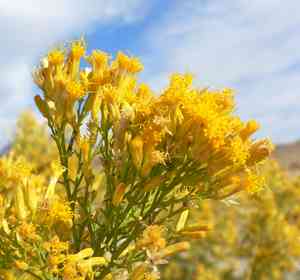
Desert rabbitbrush (Ericameria paniculata)
Also known as: Black-banded rabbitbrush
Desert rabbitbrush is resilient, thriving in drought conditions and nutrient-poor soils typical of desert environments. It bursts into a striking display of small yellow flowers from late summer to early fall. The plant also offers shelter to various local bird species and is sometimes affected by a black fungus on its resinous stems.
In This Article
Attributes of Desert rabbitbrush
Lifespan
Perennial
Plant Type
Shrub
Plant Height
2 m
Spread
0.5-1 meter
Leaf Color
Gray-green
Flower Size
0.5-1 cm
Flower Color
Yellow
Images of Desert rabbitbrush
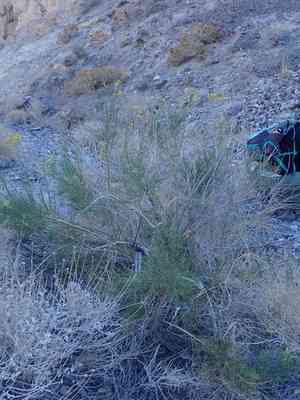
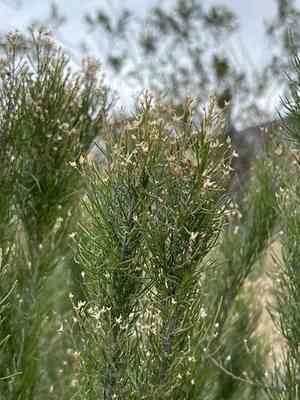
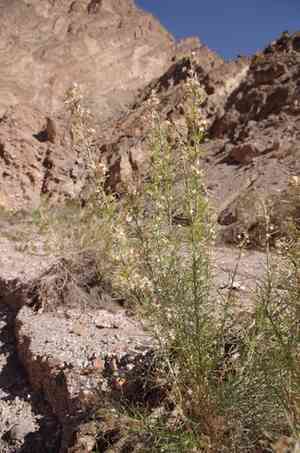
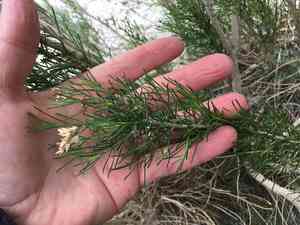
Quickly Identify Desert rabbitbrush
1
Ericameria paniculata can be identified by its erect and branched form, small, linear leaves, and yellow flower clusters that form in panicles at the ends of branches. The plant often has a characteristic black band below the flower heads.
Scientific Classification of Desert rabbitbrush
Phylum
Vascular plants
Class
Dicotyledons
Order
Asterales
Family
Daisy
Genus
Goldenbushes
Species
Desert rabbitbrush
Planting and Growing of Desert rabbitbrush
Care Difficulty
Easy
Watering Schedule
Every 2 days
Sunlight Requirements
Full sun
Sunshine Duration
6-10 hours
Ideal Temperature
70-80℉
Soil Type
Potting Mix, Peat Mix
Soil pH
6.5-7.5
Fertilizer Type
Balanced
Pruning Season
Spring, Summer
Pruning Area
Branches, Leaves
Pruning Frequency
2 times a year
Repotting Season
Spring
Pot Type
Plastic, Terracotta
 How to Water Desert rabbitbrush?
Ericameria paniculata requires deep watering to reach its roots effectively. The watering should be enough to penetrate the soil without creating puddles. Typically, 500 milliliters of water per session is suitable. Aim to wet the soil thoroughly till the moisture just begins to reach the lower layers of the pot.
What are the symptoms of an underwatered Desert rabbitbrush?
›
What should I do if my Desert rabbitbrush is not getting enough water?
›
What are the symptoms of an overwatered Desert rabbitbrush?
›
How to save an overwatered Desert rabbitbrush?
›
 What Are the Sunlight Requirements for Desert rabbitbrush?
Ericameria paniculata prefers full sun exposure, ideally 6 to 8 hours of sunlight per day. This exposure fosters vibrant growth and abundant flowering, while insufficient sun can hinder its development and overall vitality.
How much light does Ericameria paniculata need?
›
What are the best solutions for providing ideal light?
›
What benefits come from optimal lighting?
›
 What Is the Ideal Temperature Range for Desert rabbitbrush?
Ericameria paniculata thrives best in temperatures ranging from 70°F to 80°F. During these temperatures, the plant can fully utilize its metabolic processes for growth and development. This range allows for optimal photosynthesis and nutrient absorption, fostering strong and healthy plant structures.
 What Soil is Best for Desert rabbitbrush?
Ericameria paniculata thrives in well-drained sandy soils that prevent waterlogging. This characteristic allows the roots to breathe, thus encouraging robust growth and protecting the plant from root rot and diseases associated with poor drainage. The plant doesn't require nutrient-rich soils; in fact, it does well in soils with low organic matter. This tolerance for minimal nutrients makes it ideal for landscapes where soil enrichment is challenging or undesirable. The plant's ability to grow in dry conditions means it prefers sandy or sandy loam soils that retain minimal water. This adaptation reduces the need for frequent irrigation, making it suitable for xeriscaping and water conservation gardens.
 How to Fertilize Desert rabbitbrush?
Ericameria paniculata requires a modest amount of fertilizer. Use a balanced liquid fertilizer at half strength to avoid over-fertilizing. This plant thrives in nutrient-poor soil, so over-fertilizing can damage the roots and hinder its growth.
 How to Prune Desert rabbitbrush?
Look for dead, damaged, or crossing stems first. Removing these can improve air circulation and promote healthy growth. Gradually shape the plant by trimming overgrown branches. Aim for a balanced shape to maintain ornamental appeal and plant health. Make cuts just above a leaf node or bud, encouraging new growth in the direction you desire. This helps to thicken the foliage.
More About Pruning Techniques→
 How to Propagate Desert rabbitbrush plant?
1
Collect seeds from a mature Ericameria paniculata plant and let them dry before sowing. Ensure cleanliness by rinsing them in a light bleach solution to prevent fungal growth. It's essential to use fresh seeds for a higher germination rate.
2
Select healthy, non-flowering stems for cuttings. Cut at an angle below a node and remove the lower leaves. Dip the cutting in rooting hormone to enhance root growth and place it into a container filled with a well-draining potting mix.
3
Once seedlings develop a sturdy set of leaves, carefully transplant them into individual pots. Gently tease the roots apart to avoid damage and plant them at the same depth they were growing initially. Keep the soil moist but not waterlogged during the transition.
 How to Repot Desert rabbitbrush plant?
1
Ericameria paniculata should be repotted when you notice its roots emerging from the drainage holes or when its growth begins to slow down, indicating it’s becoming root-bound. The best signal to watch out for is when the plant retains moisture for shorter periods, implying the roots need more space.
2
Select a pot that is 1-2 inches larger in diameter than the current one. It should have ample drainage holes to prevent waterlogging, which is crucial for preventing rot. A slightly larger pot encourages growth by giving the roots adequate space to spread out without overwhelming the plant with too much soil.
3
Opt for a well-draining, sandy soil mix to mimic Ericameria paniculata's natural desert habitat. This type of soil ensures excess moisture is quickly evaporated, thereby reducing the risk of root rot. Including a bit of perlite improves aeration and aids in maintaining the right balance of moisture.
Learn More About Desert rabbitbrush Diseases
Anthracnose
Bacterial Leaf Spot
Bacterial Soft Rot
Bacterial Wilt
Black Spot
Chemical Injury
Crown Gall
Cyst Nematode
Damping-off
Downy Mildew
Drought Stress
Fusarium Wilt
Gray Mold
Leaf Spot
Mosaic
Nutrient Deficiency
Nutrient Toxicity
Powdery Mildew
Root Rot
Root-knot Nematode
Rusts
Sooty Mold
Spider Mites
Temperature Stress
Thrips Damage
White Mold



