How to Prune Desert rabbitbrush?
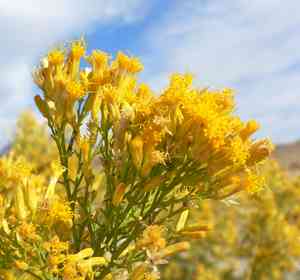
This robust shrub, recognized for its durability in dry environments, desert rabbitbrush thrives with trimming to preserve its form and encourage robust development. Perform pruning in the latter part of winter or early spring, prior to the emergence of new shoots. Eliminate any deceased or compromised branches, reduce crowded sections to improve air movement, and sculpt the outer appearance for visual appeal. Strategic pruning can boost flowering and avert prevalent ailments by elevating the plant's general well-being.
What Are the Benefits of Pruning Desert Rabbitbrush?
What Are the Benefits of Pruning Desert Rabbitbrush?
Trimming desert rabbitbrush encourages robust new development, preserving its desired form. Regular cutting aids in establishing a sturdy framework, prevents excessive growth, and fosters a dense, attractive shape.
What Is the Best Time for Pruning Desert Rabbitbrush?
What Is the Best Time for Pruning Desert Rabbitbrush?
Pruning desert rabbitbrush in late winter and early spring is beneficial as it coincides with its dormant phase before new growth begins. This timing reduces plant stress and ensures energy is directed towards developing new shoots post-pruning. Seasonal trimming during these periods supports the natural growth cycle, enhances plant structure and health, and prepares desert rabbitbrush for vigorous spring growth without disrupting its flowering cycle, which typically occurs later in the year.
What Tools Do I Need to Prune Desert Rabbitbrush?
Bypass Pruners
Perfect for making precise cuts on desert rabbitbrush, bypass pruners create clean incisions that heal quickly, minimizing harm to the plant.
Lopping Shears
These are useful for cutting through thicker branches of desert rabbitbrush. The longer handles provide leverage for making clean cuts without straining the gardener's hands.
Pruning Saws
For mature desert rabbitbrush with branches over 1.5 inches in diameter, pruning saws offer the necessary strength and precision to cut without causing unnecessary harm to the plant.
How to Prune Desert Rabbitbrush
Clean
Sanitize your pruning tools with isopropyl alcohol or bleach solution to prevent the spread of disease when trimming desert rabbitbrush.
Inspect
Examine desert rabbitbrush closely to identify diseased leaves, withered leaves, dead branches, and diseased branches that require removal.
Remove leaves
Carefully trim off diseased and withered leaves from desert rabbitbrush using clean, sharp pruning shears, making sure to cut at the base of each leaf without damaging healthy tissue.
Cut branches
Remove dead branches from desert rabbitbrush by cutting them at the point where they meet healthy wood, and prune any diseased branches well below the affected area to ensure all diseased tissue is removed.
Disposal
Dispose of all removed material from desert rabbitbrush (diseased leaves, withered leaves, dead branches, diseased branches) away from healthy plants to prevent the spread of any pathogens.
Common Pruning Mistakes with Desert Rabbitbrush
Over-pruning
Removing too much growth from desert rabbitbrush can weaken the plant's structure and reduce its vitality. It's essential to avoid cutting back more than a third of the plant in a single pruning session, as it can stress desert rabbitbrush.
Improper cut placement
Cutting too close to the main stem or leaving too long a stub when pruning desert rabbitbrush can lead to disease and pest infestation. Prune just above a set of leaves or branching point to promote healthier regrowth.
Using dull tools
Dull pruning tools can create jagged cuts that are slow to heal, making desert rabbitbrush more susceptible to pests and diseases. Always use sharp, clean cutting tools for clean cuts.
Ignoring plant shape
Failing to consider the natural shape of desert rabbitbrush during pruning may lead to an unbalanced and aesthetically unpleasing plant. Try to maintain desert rabbitbrush's natural form for optimal growth.
Neglecting tool hygiene
Not disinfecting pruning tools between plants can spread disease to desert rabbitbrush. It's critical to clean and disinfect tools before moving to another plant to prevent the transmission of pathogens.
Common Pruning Tips for Desert Rabbitbrush
Selective pruning
Target only the old wood, dead, or diseased branches for removal from desert rabbitbrush. This helps in maintaining the plant's health while encouraging new growth.
Encouraging bushiness
To promote a bushier growth habit for desert rabbitbrush, pinch back the tips of young shoots during the growing season. This will also increase the density of the foliage.
Thinning
Periodically thin out crowded branches to increase air circulation, reduce the risk of disease, and improve light penetration within desert rabbitbrush's canopy.
Size control
Monitor the size of desert rabbitbrush throughout the growing season, and prune as needed to maintain the desired size and shape, keeping in mind not to over-prune.
Branch collar care
When removing larger branches from desert rabbitbrush, always cut outside the branch collar - the swollen area of tissue at the base of a branch. This helps desert rabbitbrush heal more effectively and protect against disease.



