How to Transplant California goldenbush?
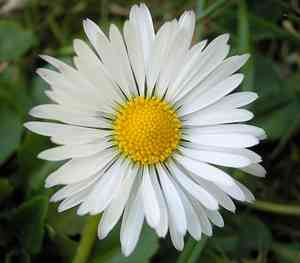
Relocating california goldenbush flourishes when undertaken as winter's cold recedes or as spring's warmth begins to emerge, providing a smooth establishment for its root system. Select a bright spot with soil that drains effectively. Should california goldenbush become excessively large, carefully separate it for revitalization.
Preparations Required Before Relocating California Goldenbush
Optimal Period for Moving California Goldenbush?
The perfect time for transplanting california goldenbush spans from the revitalizing period of early to late spring or during the peaceful start of autumn through the core of winter. This timing benefits from milder temperatures, allowing california goldenbush's roots to settle without the stress of extreme heat or cold. By selecting this window, you'll promote vigorous growth, ensuring california goldenbush flourishes in its new spot with the promise of thriving seasons ahead.
Recommended Spacing Between California Goldenbush Plants?
Begin by providing your california goldenbush ample room to thrive. Position each plant approximately 36-60 inches (91-152 cm) apart. This spacing allows for full development and ensures adequate air circulation, reducing disease risk.
Ideal Soil Mixture for California Goldenbush Transplantation?
Prepare the ground for your california goldenbush by selecting well-draining soil. If your soil is dense, consider enriching it with some organic compost. Apply a slow-release, balanced fertilizer to give your california goldenbush an excellent start!
Where to Replant Your California Goldenbush?
Locate a sunny position for your california goldenbush as they thrive in full sunlight. An area receiving at least 6-8 hours of direct sun daily is perfect, which will help your california goldenbush prosper and bloom beautifully.
Equipment Needed Before Transplanting California Goldenbush?
Gardening Gloves
To safeguard your hands while handling soil and plants.
Shovel or Spade
For excavating the california goldenbush from its original spot and creating a new planting hole.
Hand Trowel
Useful for smaller or more delicate replanting tasks.
Watering Can or Hose
To hydrate the california goldenbush before and after relocation.
Pruning Shears
To trim any damaged roots or excess foliage prior to transplanting.
Wheelbarrow or Garden Cart
To move the california goldenbush and soil.
Garden Fork
To loosen the soil around the plant's root ball when extracting it from the ground.
How to Extract California Goldenbush from the Soil?
How to Extract California Goldenbush from the Soil?
From Ground: First, water the california goldenbush to moisten the soil. Then, dig a wide trench around the plant using a shovel or spade, ensuring the plant's root ball remains intact. Carefully work the spade beneath the root ball to lift the california goldenbush from its initial location.From Pot: Start by watering the california goldenbush to facilitate removal. Tilt the pot sideways and gently tap the bottom to loosen the plant. Grasp the base of the california goldenbush, and carefully slide it out while supporting the root ball.From Seedling Tray: Water the california goldenbush seedlings to dampen the soil. Use a hand trowel or similar tool to gently lift the seedling out of the tray, making sure to retain as much soil around the roots as possible.
Step-by-Step Guide for Relocating California Goldenbush
Transplant Timing
Choose an overcast day or late afternoon to move your california goldenbush to lessen stress from direct sunlight.
Prepare the New Site
Dig a hole that is twice as wide and equally deep as the california goldenbush's root ball. Loosen the soil at the bottom of the hole with a garden fork.
Root Ball Care
Inspect the california goldenbush's root ball. Trim any broken or excessively long roots with pruning shears.
Placing the california goldenbush
Position the california goldenbush in the center of the new hole, at the same depth it was growing previously. Spread the roots out evenly in the hole.
Backfill the Hole
Refill the hole with the excavated soil, gently firming it down without over-compacting, to eliminate air pockets.
Water Deeply
Water the california goldenbush thoroughly after transplanting to settle the soil around the roots and aid in recovery from transplant shock.
Support Structure
If the california goldenbush is large or top-heavy, stake it to provide support as it establishes itself in the new location.
Post-Transplant Care for California Goldenbush?
Watering
Keep the soil around the california goldenbush consistently moist for the initial weeks after transplanting to help establish strong roots. Avoid waterlogging or dry periods.
Mulching
Apply a layer of organic mulch around the base of the california goldenbush to retain moisture, regulate soil temperature, and reduce weed competition.
Monitoring
Observe the california goldenbush's growth and look for signs of transplant shock, such as wilting or yellowing leaves, and address promptly with appropriate care.
Pruning
Prune any dead or damaged stems to encourage healthy growth and better shape the california goldenbush's form.
Troubleshooting Common Issues with California Goldenbush Transplantation.
When is the best time of year to transplant california goldenbush?
Aim for early to late spring or late fall to mid-winter for transplanting california goldenbush, ensuring mild weather conditions conducive to root establishment.
How far apart should california goldenbush be spaced when transplanting?
Space california goldenbush 36-60 inches (91-152 cm) apart to allow for ample growth and air circulation.
What soil conditions favor california goldenbush after transplanting?
Well-draining soil with moderate fertility is ideal. Avoid overly wet or dry conditions to encourage healthy root development.
How deep should the hole be for transplanting california goldenbush?
Dig a hole twice the width and the same depth as the root ball to give california goldenbush roots room to spread.
What should I do if california goldenbush wilts after transplanting?
Ensure you're providing consistent moisture without overwatering and check for proper sun exposure. California goldenbush requires full sun to thrive.
Why are california goldenbush's leaves turning yellow post-transplant?
Yellow leaves may indicate root distress. Check for proper planting depth and ensure the soil isn't too wet or compacted.
How do I protect california goldenbush from transplant shock?
Water carefully, maintain soil moisture without saturation, and protect from extreme temperatures to minimize transplant shock.
Can I fertilize california goldenbush right after transplanting?
Wait a few weeks before fertilizing to avoid burning the roots. Allow california goldenbush to establish itself first with just water and natural soil nutrients.
What's the ideal watering schedule for california goldenbush post-transplant?
Water deeply once a week, adjusting for rainfall and soil type, to encourage deep root growth without overwatering.
How much sun does california goldenbush need after transplanting?
Ensure california goldenbush receives full sun exposure to promote healthy growth. Monitor closely, as too little sun can affect flowering and growth.



