How to Prune California goldenbush?
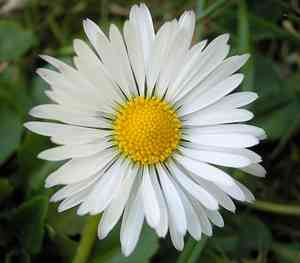
This enduring woody plant, recognized for its thick, yellow blossoms and slender, pointed foliage, flourishes when correctly trimmed. For california goldenbush, conduct yearly pruning in late winter or early spring prior to the emergence of new shoots. Remove any lifeless or injured branches and lightly sculpt for managing dimensions and encouraging denser development. Refrain from severe cutting to avert strain on california goldenbush. Trimming boosts vitality, stimulates blooming, and preserves an appealing structure, rendering it an essential component of plant maintenance.
What Are the Benefits of Pruning California Goldenbush?
What Are the Benefits of Pruning California Goldenbush?
Trimming california goldenbush encourages robust development and preserves its desired shape. It stimulates fresh, healthy shoots, improves the plant's framework, and prevents it from becoming overgrown and unruly.
What Is the Best Time for Pruning California Goldenbush?
What Is the Best Time for Pruning California Goldenbush?
Trimming california goldenbush in late winter or early spring is considered optimal because it coincides with the period just before new growth begins, typically in spring. During late winter, the plant is dormant and less vulnerable to stress or pest damage when pruned. This timing allows california goldenbush to channel its energy into new growth and post-pruning recovery. Furthermore, removing spent flowers and old growth at this point ensures energy isn't wasted on non-essential parts and promotes a burst of fresh growth in spring. It also offers an opportunity to shape the plant and manage its size before its active growing season. Avoid pruning in late spring or summer as this can disrupt the plant's natural flowering cycle, as california goldenbush typically blooms in late summer or fall.
What Tools Do I Need to Prune California Goldenbush?
Hand Pruners
Perfect for making precise cuts on stems and smaller branches of california goldenbush, fostering healthy growth without unnecessary plant damage.
Loppers
Offer additional leverage for cutting through thicker stems or branches of california goldenbush that hand pruners cannot easily manage, essential for shaping and maintaining plant structure.
Gardening Gloves
Shields hands from thorns and rough branches while trimming california goldenbush, ensuring safe and comfortable work.
Pruning Saw
Required for removing larger branches from california goldenbush that loppers cannot handle, enabling accurate and controlled cuts.
How to Prune California Goldenbush
Sanitize
Before trimming california goldenbush, clean and sterilize all pruning tools to prevent disease transmission.
Remove Diseased Parts
Carefully cut away any diseased leaves or branches, making clean cuts just above a leaf node or bud to encourage healthy new growth.
Cut Dead Material
Trim off withered leaves and dead branches, identifiable by their dry, brittle, and brown appearance, to maintain the health and aesthetic of california goldenbush.
Thin Crowded Areas
Thin out dense areas to improve air circulation and light penetration, which can help reduce the risk of disease in california goldenbush.
Shape Plant
Shape california goldenbush by selectively trimming back overgrown branches to maintain a natural-looking form while preserving the plant's overall structure.
Common Pruning Mistakes with California Goldenbush
Overpruning
Removing too much foliage at once can stress california goldenbush, impeding its natural growth and recovery.
Improper Cuts
Making jagged or torn cuts can introduce disease and hinder california goldenbush's natural healing process.
Pruning Healthy Growth
Cutting away healthy shoots and blooms can reduce the overall vigor and flowering potential of california goldenbush.
Using Dull Tools
Pruning with dull shears or clippers can damage california goldenbush's stems, leading to an increased risk of disease.
Not Disinfecting Tools
Failing to clean tools between uses can spread disease from plant to plant, affecting california goldenbush's health.
Ignoring Plant Structure
Not considering the plant's natural form can result in a misshapen and weakened california goldenbush.
Pruning at Random
Randomly cutting without a clear goal can lead to uneven growth and a less aesthetically pleasing california goldenbush.
Common Pruning Tips for California Goldenbush
Selective Pruning
Thin out crowded areas to increase air circulation and light penetration for a healthier california goldenbush.
Sharp Tools
Use sharp, clean pruning shears for clean cuts that california goldenbush can heal from efficiently.
Follow Natural Shape
Prune to maintain the natural shape of california goldenbush, which is pivotal for its aesthetic and healthy growth.
Remove Dead Material
Regularly remove dead or diseased wood to promote california goldenbush's health and stimulate new growth.
Cut at Angles
Make angled cuts just above leaf nodes to encourage california goldenbush to heal quicker and sprout new growth correctly.
Disinfect Pruning Tools
Clean your tools before and after pruning california goldenbush to prevent the spread of disease.
Assess Before Cutting
Evaluate the overall health and structure of california goldenbush before starting to prune, and plan your cuts accordingly.



