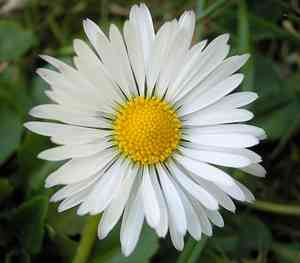
California goldenbush (Ericameria ericoides)
Also known as: California heathgoldenrod
The California bush sunflower (Encelia californica) is a native, drought-resistant perennial shrub typically found in the coastal sand dunes of California. Known for its vivid yellow blooms, this plant thrives in full sunlight and is an excellent choice for water-wise gardens.
In This Article
Attributes of California goldenbush
Lifespan
Perennial
Plant Type
Shrub
Plant Height
1 m
Spread
1.2 m
Leaf Color
Green
Flower Size
6 mm
Flower Color
Yellow
Images of California goldenbush
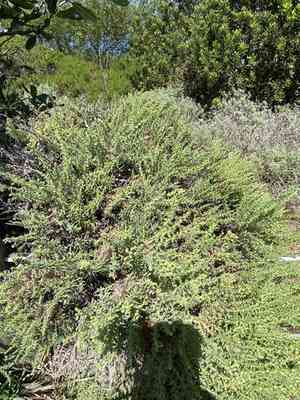
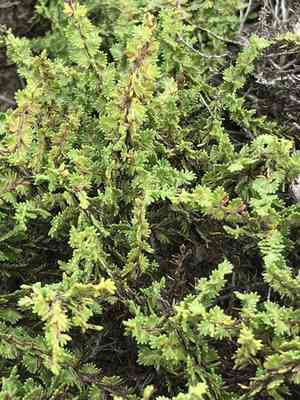
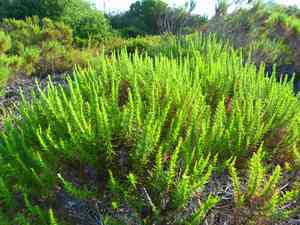
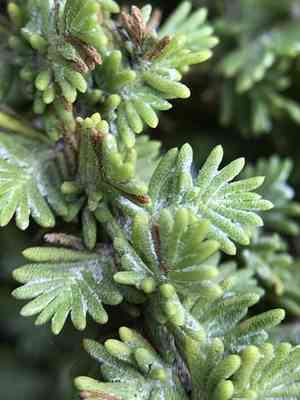
Quickly Identify California goldenbush
1
To identify Ericameria ericoides, look for a small, woody shrub with narrow, needle-like leaves. The plant typically has bright yellow, daisy-like flowers that bloom in clusters. It is commonly found in sandy soils and coastal environments.
Scientific Classification of California goldenbush
Phylum
Vascular plants
Class
Dicotyledons
Order
Asterales
Family
Daisy
Genus
Goldenbushes
Species
California goldenbush
Planting and Growing of California goldenbush
Care Difficulty
Easy
Watering Schedule
Every 2 days
Sunlight Requirements
Full sun
Sunshine Duration
4-8 hours
Ideal Temperature
60-75℉
Soil Type
Potting Mix, Peat Mix
Soil pH
6.5-7.5
Fertilizer Type
Balanced
Pruning Season
Spring, Summer
Pruning Area
Branches, Leaves
Pruning Frequency
2 times a year
Repotting Season
Spring
Pot Type
Plastic, Ceramic
 How to Water California goldenbush?
For Ericameria ericoides, watering needs depend heavily on the native climate. These plants prefer dry conditions, so when you water them, aim for about 250 milliliters per session. The soil should be allowed to dry out completely in between waterings, which mimics their natural growing environment and prevents root rot.
What are the symptoms of an underwatered California goldenbush?
›
What should I do if my California goldenbush is not getting enough water?
›
What are the symptoms of an overwatered California goldenbush?
›
How to save an overwatered California goldenbush?
›
 What Are the Sunlight Requirements for California goldenbush?
Ericameria ericoides flourishes in full sun conditions for 6-8 hours daily. Adequate sunlight helps promote healthy growth and vibrant foliage characteristic of this species.
What is the ideal lighting condition for Ericameria ericoides?
›
How can I achieve the ideal lighting for Ericameria ericoides?
›
What are the benefits of ideal lighting for Ericameria ericoides?
›
 What Is the Ideal Temperature Range for California goldenbush?
The optimal temperature range for cultivating Ericameria ericoides is between 60°F and 75°F. This range maintains adequate warmth to promote photosynthesis and metabolic activities without causing heat stress. Staying within these temperatures ensures the plant’s thriving growth and resilience against diseases.
 What Soil is Best for California goldenbush?
Ericameria ericoides thrives in well-drained soil, which prevents water from stagnating around the roots, reducing the risk of root rot and promoting healthy growth. This plant prefers soil with moderate nutrient content. Overly fertile soil can lead to excessive foliage at the expense of flower production. Aerated soil allows for good air exchange within the root zone, encouraging root development and enhancing the plant's ability to uptake nutrients.
 How to Fertilize California goldenbush?
When fertilizing Ericameria ericoides, use a balanced 10-10-10 liquid fertilizer. Dilute it to half its strength to avoid overwhelming the plant. Apply about a quarter cup per square foot of the growing area, ensuring that the soil is already moist before application.
 How to Prune California goldenbush?
Before you start, inspect the Ericameria ericoides for dead, damaged, or crossing branches. Identifying these first helps prioritize cuts, ensuring the plant maintains a healthy structure. Start by removing deadwood at the base. Follow this by cutting back any unhealthy or crossing branches to maintain airflow and prevent disease. Trim to a node at a 45-degree angle for optimal healing. For shaping, envision a more natural, bushy look. Trim selectively to balance the plant, removing any unruly branches that disrupt its form. This will encourage lush, even growth.
More About Pruning Techniques→
 How to Propagate California goldenbush plant?
1
Begin by acquiring fresh Ericameria ericoides seeds. Clean and dry them properly to prevent mold during the germination period.
2
Select healthy and semi-mature stems for cuttings. Trim away the lower leaves to expose nodes, helping the cutting focus energy on root formation.
3
For seeds, sow them shallowly in seed trays filled with potting mix. For cuttings, insert them into prepared soil, ensuring the nodes are below the surface.
 How to Repot California goldenbush plant?
1
Look for signs such as roots growing out of the drainage holes, the plant becoming top-heavy, or the soil drying out very quickly after watering. These are clear indicators that it's time to provide more space for Ericameria ericoides.
2
Choose a pot slightly larger than the current one, with ample drainage holes. A terracotta pot is ideal as it allows the soil to breathe, reducing the risk of root rot in this drought-tolerant plant.
3
Opt for a well-draining sandy or gritty mix to mimic its native conditions and prevent waterlogging. This soil type promotes healthy root growth and prevents the common issue of overwatering.
Learn More About California goldenbush Diseases
Anthracnose
Bacterial Leaf Spot
Bacterial Soft Rot
Bacterial Wilt
Black Spot
Chemical Injury
Crown Gall
Cyst Nematode
Damping-off
Downy Mildew
Drought Stress
Fusarium Wilt
Gray Mold
Leaf Curl
Leaf Spot
Mosaic
Nutrient Deficiency
Nutrient Toxicity
Powdery Mildew
Root Rot
Root-knot Nematode
Rusts
Sooty Mold
Spider Mites
Temperature Stress
Thrips Damage
White Mold



