How to Transplant Erica bracteolaris?
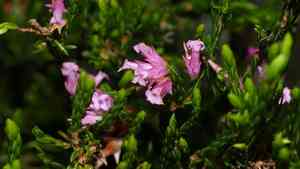
Relocating erica bracteolaris is most effective between the beginning and end of spring, a period characterized by temperate weather and robust development. Select a site that receives ample sunlight and drains efficiently. Offer protection from strong gusts and verify that the substrate is acidic to encourage peak performance.
What Preparations are Needed Before Transplanting Erica Bracteolaris?
What is the Ideal Time for Transplanting Erica Bracteolaris?
Erica bracteolaris should ideally be moved from early spring through late spring. This period ensures the best root establishment and development due to higher moisture levels and moderate temperatures. Transplanting at this time boosts the plant's resilience and overall health, preparing it for a robust growing season.
How Much Space Should You Leave Between Erica Bracteolaris Plants?
When transplanting erica bracteolaris, ensure each plant is spaced approximately 12-18 inches (30-45 cm) apart. This spacing provides ample room for growth and helps prevent overcrowding and competition for resources, allowing your perennials to flourish.
What is the Best Soil Mix for Erica Bracteolaris Transplanting?
Prepare well-draining, acidic soil with a pH of 5.5 to 6.0 for erica bracteolaris. You can enrich the soil with a base fertilizer that is abundant in organic matter. Incorporating compost or peat moss can enhance soil structure and nutrient content.
Where Should You Relocate Your Erica Bracteolaris?
Select a sunny spot for transplanting erica bracteolaris. This plant thrives best with full sunlight, around 6-8 hours daily, which promotes vigorous growth and flowering. Ensure the location isn't too shaded and offers good air circulation.
What Equipments Should You Prepare Before Transplantation Erica Bracteolaris?
Gardening Gloves
To safeguard your hands while handling soil and plants.
Shovel or Spade
For excavating the plant and preparing the new planting site.
Hand Trowel
To assist with loosening soil and planting in confined areas.
Watering Can or Hose
For hydrating the plant before and after its relocation.
Mulch
To aid in retaining moisture around the newly transplanted specimen.
Garden Fork
For aerating the soil surrounding the plant's root system.
How Do You Remove Erica Bracteolaris from the Soil?
How Do You Remove Erica Bracteolaris from the Soil?
From Ground: First, hydrate the erica bracteolaris plant to moisten the soil. Then, dig a wide trench around the plant using a shovel or spade, ensuring the plant's root ball remains intact. Carefully work the spade beneath the root ball to lift the plant from its original spot.From Pot: Water the erica bracteolaris plant thoroughly. Gently tilt the pot on its side, softly press the pot's sides to loosen the soil, and slowly slide the plant out, supporting its base and root ball.From Seedling Tray: Water the seedlings completely. Gently push from the bottom of the seedling tray to lift each plant out, keeping the root mass undisturbed. Use a hand trowel if necessary.
Step-by-Step Guide for Transplanting Erica Bracteolaris
Preparation
Prepare the new planting location by digging a hole that is twice as wide and as deep as the plant's root ball. Loosen the soil at the base of the hole.
Transplanting
Carefully place the erica bracteolaris plant into the hole, ensuring it sits at the same level as it was in its previous spot. Gently fill the hole with soil, firming it around the root ball to remove air pockets.
Watering
Thoroughly water the erica bracteolaris plant after transplanting to help settle the soil around its roots.
Add Mulch
Apply a layer of mulch around the plant's base to help retain moisture and regulate soil temperature. Ensure the mulch is kept away from the plant's stem.
How Do You Care For Erica Bracteolaris After Transplanting?
Watering
Keep the soil around the erica bracteolaris consistently moist, but not waterlogged, for the initial weeks after transplanting to aid in developing strong roots.
Monitoring
Regularly inspect the plant for indications of stress or pests, and address any issues promptly.
Weeding
Keep the area surrounding the erica bracteolaris plant free of weeds to minimize competition for nutrients and water.
Troubleshooting Common Issues with Erica Bracteolaris Transplantation.
When is the best time to transplant erica bracteolaris?
Transplant erica bracteolaris between early spring and late spring for optimal growth.
How far apart should I space erica bracteolaris plants?
Space erica bracteolaris plants 12-18 inches (30-45 cm) apart to allow sufficient room.
What type of soil is best for erica bracteolaris?
Erica bracteolaris thrives in well-drained, acidic soil with a pH between 5.0 and 6.0.
How deep should I plant erica bracteolaris?
Plant erica bracteolaris at the same depth it was growing in its previous location.
How often should I water erica bracteolaris after transplanting?
Water erica bracteolaris regularly, keeping the soil consistently moist until it becomes well-established.
Should I prune erica bracteolaris before transplanting?
Yes, lightly prune erica bracteolaris to reduce stress and encourage new growth after transplanting.
How can I avoid transplant shock in erica bracteolaris?
Minimize root disturbance, water immediately, and transplant during cool, overcast weather.
What if erica bracteolaris begins to wilt after transplanting?
Increase watering frequency and provide shade during the hottest part of the day.
Do I need to fertilize erica bracteolaris after transplanting?
Avoid fertilizing immediately; wait a few weeks until erica bracteolaris shows new growth.
Can I transplant erica bracteolaris in the fall?
It's best to transplant erica bracteolaris in spring; fall transplants may not establish well before winter.



