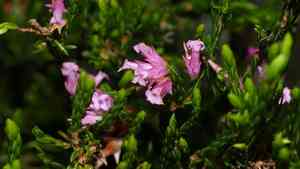
Erica bracteolaris (Erica bracteolaris)
Erica bracteolaris is a shrub native to heathlands, usually exhibiting a dense, bushy form. It boasts needle-like leaves and clusters of bell-shaped flowers ranging from white to pink. These blossoms peek out at the plant’s nodes, often cloaked with scale-like bracts, hinting at adaptations to its dry, acidic soils. Its evergreen nature and profuse winter bloom make it a resilient species, attracting pollinators even in the coldest months.
In This Article
Attributes of Erica bracteolaris
Lifespan
Perennial
Plant Type
Shrub
Plant Height
0.5 to 1 meter
Spread
0.5 to 1 meter
Leaf Color
Green
Flower Size
0.5 to 1 cm
Flower Color
Pink or white
Images of Erica bracteolaris
Quickly Identify Erica bracteolaris
1
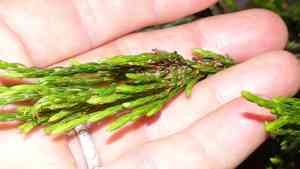
Erica bracteolaris can be identified by its small, bell-shaped flowers, which are typically pink or white. The plant has needle-like leaves and a bushy, shrubby appearance. Its flowers often grow in clusters, and it blooms predominantly during the summer months.
Scientific Classification of Erica bracteolaris
Phylum
Vascular plants
Class
Dicotyledons
Order
Ericales
Family
Heath
Genus
Heaths
Species
Erica bracteolaris
Planting and Growing of Erica bracteolaris
Care Difficulty
Moderate
Watering Schedule
Every 2 days
Sunlight Requirements
Full sun
Sunshine Duration
4-8 hours
Ideal Temperature
60-75℉
Soil Type
Potting Mix, Peat Mix
Soil pH
5.5-6.5
Fertilizer Type
Balanced
Pruning Season
Spring, Summer
Pruning Area
Branches, Leaves
Pruning Frequency
2 times a year
Repotting Season
Spring
Pot Type
Plastic, Ceramic
 How to Water Erica bracteolaris?
For Erica bracteolaris, it's important to water adequately but not excessively. You should aim to provide around 120 milliliters of water each time, ensuring the soil is thoroughly moist but not soggy. Water until you notice it starts draining from the bottom of the pot, meaning the soil has absorbed enough moisture.
What are the symptoms of an underwatered Erica bracteolaris?
›
What should I do if my Erica bracteolaris is not getting enough water?
›
What are the symptoms of an overwatered Erica bracteolaris?
›
How to save an overwatered Erica bracteolaris?
›
 What Are the Sunlight Requirements for Erica bracteolaris?
Full sun to partial sun exposure is ideal, ensuring 5–8 hours of light daily, promoting strong, healthy growth and prolific flowering.
What is the ideal light condition?
›
How can I achieve ideal lighting conditions?
›
What are the benefits of ideal lighting conditions?
›
 What Is the Ideal Temperature Range for Erica bracteolaris?
Erica bracteolaris thrives in temperatures between 60°F and 75°F. This range promotes optimal photosynthesis, ensuring robust growth and vivid floral development. The plant's native habitat experiences such temperate conditions, encouraging healthy rooting and nutrient uptake.
 What Soil is Best for Erica bracteolaris?
Erica bracteolaris thrives in well-drained soil which prevents waterlogging. This is essential as it ensures that the roots are not sitting in water, reducing the risk of root rot and promoting healthy growth. This plant prefers soils that are not heavily enriched with fertilizers. Excess nutrients can lead to lush foliage but poor flowering, so maintaining nutrient-poor conditions supports its natural flowering cycle. Erica bracteolaris requires an acidic pH range between 5.5 and 6.5. This pH range ensures optimal nutrient uptake and supports the plant’s enzymatic processes, leading to vibrant growth and blooms.
 How to Fertilize Erica bracteolaris?
For Erica bracteolaris, a balanced application of fertilizer is crucial. Use a low-concentration liquid fertilizer, about half the recommended strength, to avoid burning the roots. Generally, apply around 10 ml of diluted liquid fertilizer per plant during the growing season.
 How to Prune Erica bracteolaris?
Begin by closely inspecting Erica bracteolaris for any dead or diseased branches. These will appear brittle or discolored, unlike the healthy, vibrant stems. Removing these branches encourages new growth and helps maintain the overall health of the plant. Use sharp pruning shears to carefully trim the plant and maintain its natural shape. Aiming for a conical or rounded form can help Erica bracteolaris display its blooms more beautifully, ensuring even sunlight exposure and preventing sprawling growth. After the flowering period, prune back the faded blooms along with a small portion of the stems. This encourages a new wave of healthy growth and can lead to more abundant flowering in the next blooming cycle.
More About Pruning Techniques→
 How to Propagate Erica bracteolaris plant?
1
To propagate using seeds, wait until the seed heads are mature. Collect seeds by gently extracting them from the plant and storing them in a cool, dry place until ready to plant.
2
For cuttings, select healthy, non-flowering stems. Cut a section of approximately 10-15 cm and strip the lower leaves. Let the cuttings sit in water until roots start to develop.
3
Layering involves bending a low branch to the ground and covering part of it with soil to encourage root development. Secure it with a wire or peg and ensure it's moist.
 How to Repot Erica bracteolaris plant?
1
Erica bracteolaris signals its need for repotting when it becomes root-bound, displaying roots protruding from the pot's drainage holes. Additionally, slow growth or nutrient deficiencies might indicate it's time for a fresh start. Ideal repotting should be scheduled during its dormancy or just before active growth in spring or autumn, ensuring the plant experiences minimal stress and quickly adapts to its new environment.
2
Opt for a pot just slightly larger than the current one, preferably made of terracotta for its breathability, which encourages root health. A pot with sufficient drainage holes is essential to prevent water-logged soil and root rot. The incremental increase in pot size ensures a balanced root-to-soil ratio, allowing the plant to establish well without overwhelming its root system.
3
Select an acidic, well-draining soil mix, rich in organic matter to cater to Erica bracteolaris' natural habitat. Incorporating perlite or sand can enhance aeration and drainage, mimicking the conditions of its native environment. This soil mix provides essential nutrients while preventing water retention issues, critical for the plant's overall health and vibrant growth.
Learn More About Erica bracteolaris Diseases
Anthracnose
Bacterial Leaf Spot
Black Spot
Chemical Injury
Crown Gall
Cyst Nematode
Damping-off
Downy Mildew
Drought Stress
Fusarium Wilt
Gray Mold
Leaf Curl
Leaf Spot
Mosaic
Nutrient Deficiency
Nutrient Toxicity
Powdery Mildew
Root Rot
Root-knot Nematode
Rusts
Sooty Mold
Spider Mites
Temperature Stress
Thrips Damage
White Mold



