How to Transplant Desert woollystar?
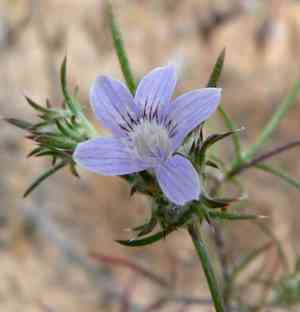
The ideal period for transplanting desert woollystar spans from the milder days of late spring through early summer, aligning with its developmental phase. Select a location bathed in sunlight with soil that drains effectively. Delicate manipulation is crucial given its yearly life cycle.
What Preparations are Needed Before Transplanting Desert Woollystar?
What is the Ideal Time for Transplanting Desert Woollystar?
The optimal period for relocating desert woollystar spans from late spring through early summer. During this time, the pleasantly warm soil and consistent weather conditions create an ideal environment for desert woollystar to establish its roots firmly. Transplanting desert woollystar in this season leverages the benefits of extended daylight hours and mild nights, which are favorable for annual plant development. By transplanting at this point, you provide desert woollystar with a strong foundation for thriving, maximizing its potential for a complete and vigorous life cycle.
How Much Space Should You Leave Between Desert Woollystar Plants?
Hello, gardening enthusiast! For your beautiful desert woollystar plants, you'll want to ensure they have ample room to thrive. Position them generously, approximately 10-12 inches (25-30 cm) apart. This spacing allows each plant sufficient area to absorb sunlight and air circulation!
What is the Best Soil Mix for Desert Woollystar Transplanting?
For your desert woollystar, a comfortable home begins with the appropriate soil. Aim for ground that drains well â consider sandy or loamy textures. Before planting, incorporate a mild, all-purpose fertilizer to give them a beneficial initial boost. Just enough to signal, 'Welcome to your new soil!'.
Where Should You Relocate Your Desert Woollystar?
Sunlight is desert woollystar's greatest ally, so identify a location with abundant sun exposure! A spot that receives full sunlight for the majority of the day will make your desert woollystar exceptionally happy. Think bright, sunny, and cheerful for these desert beauties.
What Equipments Should You Prepare Before Transplantation Desert Woollystar?
Gardening Gloves
To safeguard your hands while handling soil and plants.
Small Trowel or Hand Shovel
For digging and moving earth during the transplanting process.
Watering Can or Hose
To hydrate the desert woollystar before and after its relocation.
Spade or Garden Fork
Useful for extracting desert woollystar from the ground or larger containers.
Pruners
To trim any damaged roots or foliage if necessary.
Measuring Tape
For accurately spacing desert woollystar according to its growth requirements.
Wheelbarrow or Plant Caddy
For effortless transportation of the plant and soil if the desert woollystar is substantial.
Rooting Hormone (Optional)
To stimulate root development following transplantation.
How Do You Remove Desert Woollystar from the Soil?
How Do You Remove Desert Woollystar from the Soil?
From Ground: First, moisten the desert woollystar plant to dampen the soil. Next, excavate a wide trench around the plant using a shovel or spade, ensuring the plant's root ball remains intact. Carefully maneuver the spade beneath the root ball to lift the plant from its original spot.From Pot: Begin by watering your desert woollystar to make the soil moist and easier to manage. Turn the pot on its side and gently tap and squeeze the edges to loosen the soil. Gradually ease the plant out, holding the base near the root ball and avoiding pulling by the stems.From Seedling Tray: Dampen the soil beforehand. Use a small trowel, or your fingers to carefully separate the individual desert woollystar seedlings from the tray. Be cautious to hold the seedlings by their leaves, not their delicate stems, and gently untangle the roots.
Step-by-Step Guide for Transplanting Desert Woollystar
Preparation
Gather all necessary tools and water the desert woollystar plant prior to beginning the transplanting process to minimize shock.
Removal
Follow the appropriate removal procedure based on whether your desert woollystar originates from the ground, a pot, or a seedling tray. Ensure to preserve as much of the root system as possible.
Hole Digging
Excavate a hole in the ground slightly larger than the desert woollystar's root ball. The hole should be deep enough so that the plant rests at the same level it previously grew.
Planting
Gently place the desert woollystar into the hole. Spread out the roots if they have become compressed or are encircling the root ball. Fill the hole with soil and gently pat down to eliminate any large air pockets.
Watering
Water the desert woollystar immediately after planting to settle the soil around the roots and help alleviate transplant stress.
Support (Optional)
If the desert woollystar is tall or susceptible to being dislodged by wind, consider staking it or using a plant support to maintain its upright position.
How Do You Care For Desert Woollystar After Transplanting?
Monitoring
Regularly inspect the desert woollystar for indications of stress such as wilting, yellowing, or dropping leaves and address any issues promptly.
Watering
Maintain consistently moist soil during the initial weeks, allowing the desert woollystar to establish its roots in the new location.
Troubleshooting Common Issues with Desert Woollystar Transplantation.
When is the best time to transplant desert woollystar?
The ideal period for transplanting desert woollystar is late spring to early summer when the weather is mild.
What is the perfect spacing for desert woollystar seedlings?
Aim for a comfortable 10-12 inches (25-30 cm) between desert woollystar seedlings to ensure ample growth space.
How do I prepare the soil for transplanting desert woollystar?
Enrich the soil with organic material and ensure it drains well before transplanting desert woollystar.
How much sunlight does desert woollystar need after transplanting?
Post-transplant, desert woollystar thrives in full sun, so select a location that receives abundant daylight.
What if desert woollystar wilts after transplanting?
Wilting may occur; keep the soil moist and provide shade until desert woollystar recovers.
How deep should desert woollystar be planted?
Position desert woollystar at the same depth it grew in the pot, ensuring the root base is level with the soil surface.
Can desert woollystar be transplanted during a heatwave?
Avoid transplanting during extreme heat. Wait for milder temperatures for optimal transplant success.
How do I water desert woollystar after transplanting?
Water desert woollystar thoroughly after transplanting to settle the soil around the roots and then regularly to maintain moisture levels.
Is it necessary to fertilize desert woollystar after transplanting?
Allow desert woollystar to acclimate first; fertilize after a few weeks if needed, using a balanced formula.
Why are my desert woollystar plants struggling to grow after transplanting?
Ensure they are not planted too deeply, overcrowded, or in waterlogged soil, and are receiving adequate light and water.



