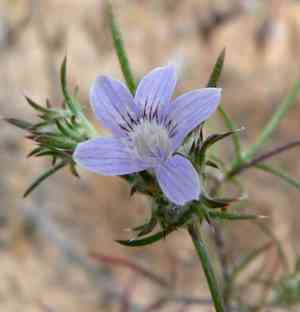
Desert woollystar (Eriastrum eremicum)
Also known as: Desert eriastrum, Yager's woollystar
Blue Phacelia (Phacelia distans) is a low-growing annual wildflower native to North America's Sonoran Desert. During its blooming season, it can become so prolific that it blankets the ground in vibrant blue flowers.
In This Article
Attributes of Desert woollystar
Lifespan
Annual
Plant Type
Herb
Plant Height
5 cm to 30 cm
Spread
Variable, often spreading extensively in ground cover
Leaf Color
Gray-green
Flower Size
1.1 cm to 1.8 cm
Flower Color
Purple
Images of Desert woollystar
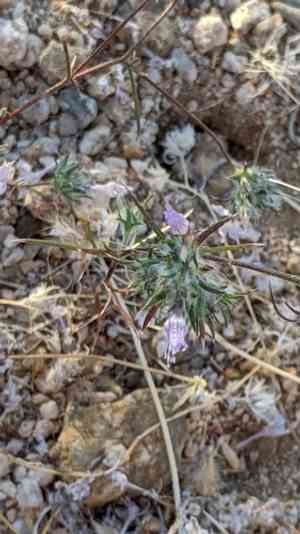
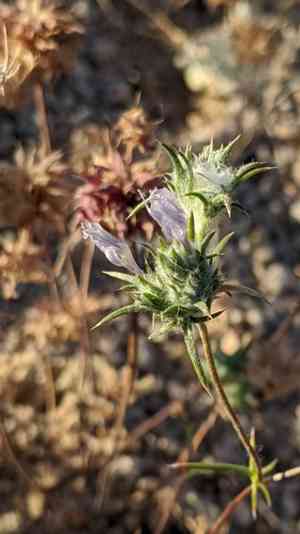
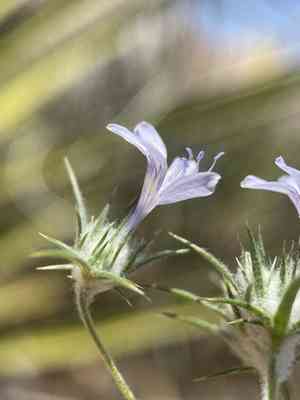
Quickly Identify Desert woollystar
1
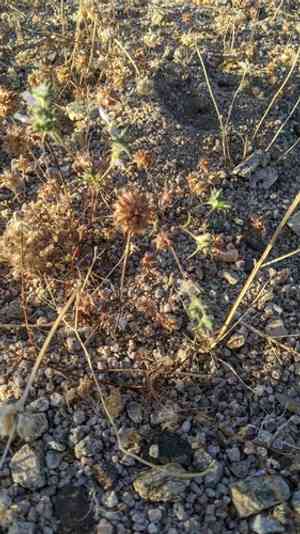
Eriastrum eremicum can be identified by its woolly, gray-green foliage and its delicate, funnel-shaped, blue to purple flowers with yellow throats. The plant is typically low-growing and branches extensively.
Scientific Classification of Desert woollystar
Phylum
Vascular plants
Class
Dicotyledons
Order
Ericales
Family
Phlox
Genus
Woollystars
Species
Desert woollystar
Planting and Growing of Desert woollystar
Care Difficulty
Easy
Watering Schedule
Every day
Sunlight Requirements
Full sun
Sunshine Duration
4-8 hours
Ideal Temperature
60-75℉
Soil Type
Potting Mix, Peat Mix
Soil pH
6.5-7.5
Fertilizer Type
Balanced
Pruning Season
Spring, Summer
Pruning Area
Branches, Leaves
Pruning Frequency
2 times a year
Repotting Season
Spring
Pot Type
Plastic, Ceramic
 How to Water Desert woollystar?
Eriastrum eremicum is a resilient plant adapted to arid conditions. Watering should mimic natural rainfall patterns, providing about 200 milliliters per plant. Ensure the soil is thoroughly moist but not waterlogged to maintain an environment that replicates its native habitat.
What are the symptoms of an underwatered Desert woollystar?
›
What should I do if my Desert woollystar is not getting enough water?
›
What are the symptoms of an overwatered Desert woollystar?
›
How to save an overwatered Desert woollystar?
›
 What Are the Sunlight Requirements for Desert woollystar?
Eriastrum eremicum performs best in full sun, benefiting from bright, direct sunlight. This light condition helps maximize flowering and keeps the plant vibrant and healthy.
Maximum Sun Exposure
›
Sunlight Positioning
›
Monitoring Sun Intensity
›
 What Is the Ideal Temperature Range for Desert woollystar?
For Eriastrum eremicum, maintaining a temperature range between 60°F to 75°F is crucial for optimal growth. These conditions mimic the native environment of this plant, providing warmth while avoiding extreme heat or cold that can cause stress.
 What Soil is Best for Desert woollystar?
Eriastrum eremicum thrives in soil that has excellent drainage. Well-drained soils help prevent root rot by ensuring that excess water can easily flow away from the plant's roots, promoting healthy growth. This plant requires soil with low to moderate nutrient content to mimic its natural desert environment. Overly rich soil might hinder its growth, so maintaining the right nutrient level is crucial for its optimal health. A sandy or sandy loam texture suits Eriastrum eremicum perfectly. This texture supports its root structure while allowing quick drying after rainfall, which is preferred for species adapted to arid landscapes.
 How to Fertilize Desert woollystar?
When fertilizing Eriastrum eremicum, use a balanced fertilizer at half the recommended strength. This desert species is adapted to nutrient-poor soils, so avoid over-fertilizing, as it can lead to nutrient burn. A gentle application will support growth while maintaining the plant’s natural resilience.
 How to Prune Desert woollystar?
Before starting, inspect Eriastrum eremicum for any visibly dead or diseased parts. These should be your first targets during pruning to promote healthy new growth. Make clean cuts at an angle, around a quarter-inch above a node or joint. This ensures quick healing and minimizes the risk of fungal infections entering the cut area. After addressing the health of the plant, focus on shaping. Eriastrum eremicum tends to grow irregularly, so gentle shaping helps maintain an aesthetically pleasing and balanced appearance.
More About Pruning Techniques→
 How to Propagate Desert woollystar plant?
1
Start by filling the seed trays with the fine soil mix, ensuring it is evenly distributed. Lightly water the soil before sowing the seeds, as pre-moistening helps with uniform seed placement and moisture retention.
2
Scatter the Eriastrum eremicum seeds evenly on the surface of the moist soil. Cover them lightly with a thin layer of soil, no more than 1/8 inch thick, as this species requires some light to germinate.
3
Keep the soil consistently moist but not waterlogged. You might need to mist the surface regularly or cover the trays with a plastic lid to maintain humidity and moisture levels during the germination phase.
 How to Repot Desert woollystar plant?
1
Eriastrum eremicum shows signs of needing repotting when its roots start poking through the drainage holes, or when growth seems stunted despite adequate care. Ideally, check for these signals in the spring or autumn, when the plant is in a more active growth phase. This ensures the plant can quickly establish itself in a new pot without much stress.
2
Select a pot that is slightly larger than the current one, usually 1 to 2 inches in diameter larger to accommodate growth. Make sure it has drainage holes to prevent waterlogging, which can be detrimental to Eriastrum eremicum. A pot that encourages good air circulation will support root health and prevent diseases.
3
The key to the ideal soil for Eriastrum eremicum is excellent drainage. A sandy, well-draining soil mix mimics its natural desert environment, preventing root rot and promoting healthy growth. Such soil must allow water to run through quickly while retaining enough moisture for plant sustenance.
Learn More About Desert woollystar Diseases
Anthracnose
Bacterial Leaf Spot
Bacterial Wilt
Crown Gall
Cyst Nematode
Damping-off
Downy Mildew
Drought Stress
Fusarium Wilt
Gray Mold
Leaf Spot
Mosaic
Nutrient Deficiency
Nutrient Toxicity
Powdery Mildew
Root Rot
Root-knot Nematode
Rusts
Sooty Mold
Spider Mites
Temperature Stress
Thrips Damage
White Mold



