How to Prune Desert woollystar?
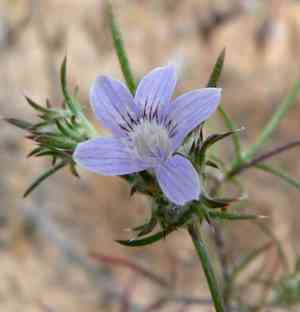
The fragile desert woollystar flourishes in dry environments and displays vivid blossoms. Trimming ought to be kept to a minimum, concentrating on the elimination of faded flowers and lifeless or injured stalks to stimulate fresh development. Timing is essentialâperform pruning after flowering, usually during the shift from late spring to early summer, and sometimes into autumn to preserve its form. Pruning aids desert woollystar by fostering robust leaves and blooms, simultaneously preventing energy expenditure on non-viable sections. Employ sanitized, sharp implements to lessen strain on the plant.
What Are the Benefits of Pruning Desert Woollystar?
What Are the Benefits of Pruning Desert Woollystar?
Trimming desert woollystar promotes vigorous development by channeling energy to the strongest parts, ensuring the plant stays compact and shapely for an attractive look.
What Is the Best Time for Pruning Desert Woollystar?
What Is the Best Time for Pruning Desert Woollystar?
Late Spring is considered the optimal period for trimming desert woollystar as it coincides with the post-flowering phase. Desert woollystar typically blooms in early spring, making late spring the perfect time to remove any faded flowers, which helps stimulate new growth and prepares the plant for its next bloom cycle. Pruning in late spring allows for the removal of dead or damaged stems resulting from winter weather or early spring growth, without disrupting the natural blooming cycle. Furthermore, this timing ensures the plant maintains its health and vitality throughout the summer growing season. Trimming during the summer or fall isn't advisable for desert woollystar as it may interfere with the development of buds for the subsequent season or expose fresh cuts to harsh conditions, which can be detrimental to the plant's overall well-being.
What Tools Do I Need to Prune Desert Woollystar?
Bypass Pruners
Ideal for making clean cuts on desert woollystar, which helps prevent harm and illness. Perfect for the slender stems of desert woollystar, offering precision and minimizing plant damage.
Gardening Scissors
Desert woollystar may require delicate trimming, where larger pruners are not practical. Gardening scissors can be used for precise snips to shape the plant or remove deadhead flowers.
Gloves
Protects the gardenerâs hands from thorns or rough branches when pruning desert woollystar, ensuring safety and comfort during the process.
How to Prune Desert Woollystar
Clean tools
Before starting, ensure pruning shears are cleaned and sterilized to prevent the spread of diseases to desert woollystar.
Identify
Examine desert woollystar closely to identify and locate all withered leaves that require removal.
Snip withered leaves
Using the shears, carefully snip off the withered leaves at the base where they meet the stem, making clean cuts to avoid unnecessary damage to desert woollystar.
Dispose
Gather the removed withered leaves and dispose of them away from healthy plant areas to minimize the risk of disease transmission to desert woollystar.
Monitor
After pruning, keep observing desert woollystar for any signs of new withered leaves or other health issues that may need attention.
Common Pruning Mistakes with Desert Woollystar
Overpruning
Removing too much foliage from desert woollystar at once can stress the plant and lead to poor growth or reduced flowering. Strive for moderation.
Cutting too close
Making cuts too close to the main stem or flower buds of desert woollystar may damage the plant and hinder its development.
Using dull tools
Pruning with dull tools can result in jagged cuts that make desert woollystar vulnerable to pests and diseases. Always use sharp, clean implements.
Tearing limbs
Avoid tearing or ripping branches, as this can leave desert woollystar with open wounds that don't heal properly and invite infections.
Common Pruning Tips for Desert Woollystar
Selective thinning
Gently thin out dense areas of desert woollystar to improve air circulation and light penetration, encouraging a healthier and more robust plant.
Shape maintenance
Prune to maintain the natural shape of desert woollystar, cutting back overgrown or wayward branches that do not complement the overall plant architecture.
Deadheading
Remove spent blooms of desert woollystar to promote a tidier appearance and possibly extend its blooming period. Do this carefully to avoid damaging new growth.
Health management
Regularly inspect desert woollystar and prune away any dead, diseased, or damaged stems to prevent the spread of disease and improve the overall vitality of the plant.



