How to Transplant Wanderrie-grass?
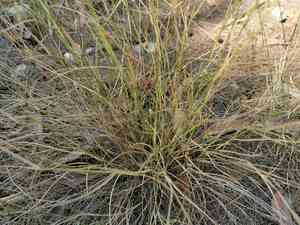
The optimal period for relocating wanderrie-grass spans from early spring through its advanced phases, facilitating root development before the summer heat. Choose a location bathed in sunlight featuring soil that drains effectively. Careful manipulation will ensure a prosperous transplant.
What Preparations are Needed Before Transplanting Wanderrie-grass?
What is the Ideal Time for Transplanting Wanderrie-grass?
The best time to move wanderrie-grass shoots is from early spring to late spring. Giving wanderrie-grass the mild warmth of this season ensures strong root development and vitality. Starting in spring allows wanderrie-grass a full growing season to thrive, absorbing plenty of sunlight with moderate temperatures to lessen transplant shock. This timing perfectly matches wanderrie-grass's natural growth cycle, ensuring a smooth move from pot to garden.
How Much Space Should You Leave Between Wanderrie-grass Plants?
Hello, gardeners! For your lovely wanderrie-grass, you'll want to provide some room between individual plantsâaim for 6-12 inches (15-30 cm). This allows each plant ample space to grow and spread its root system.
What is the Best Soil Mix for Wanderrie-grass Transplanting?
The perfect bed for wanderrie-grass is soil that drains well! Enhance it with a balanced, slow-release fertilizer to give your wanderrie-grass an excellent start. Consider it a nutrient-rich breakfast for your green companion!
Where Should You Relocate Your Wanderrie-grass?
Your wanderrie-grass loves soaking up the sun, much like a sunbather. Choose a sunny spot where it can receive at least 6 hours of direct sunlight daily. A bit of shade is acceptable, but full sun is definitely its preferred environment!
What Equipments Should You Prepare Before Transplantation Wanderrie-grass?
Gardening Gloves
To safeguard your hands while handling soil and plants.
Shovel or Spade
For excavating the plant and preparing the new planting site.
Garden Fork
To assist in loosening the soil around the plant's root structure.
Wheelbarrow or Tarp
For moving the plant and its accompanying soil.
Watering Can or Hose
To hydrate the plant both before and after its relocation.
Pruning Shears
To trim any damaged roots or foliage.
Measuring Tape
To determine the correct depth and spacing for planting holes.
How Do You Remove Wanderrie-grass from the Soil?
How Do You Remove Wanderrie-grass from the Soil?
From Ground: First, water the wanderrie-grass plant to moisten the soil. Next, dig a wide trench around the plant using a shovel or spade, ensuring the plant's root ball stays intact. Carefully work the spade beneath the root ball to lift the plant from its original spot.From Pot: Begin by watering the wanderrie-grass plant to make the soil damp and easier to extract. Then, turn the pot on its side and gently tap the edges to loosen the plant. Slowly ease the plant out, taking care not to harm the root system.From Seedling Tray: Water the seedlings to ensure the soil is moist. Use a garden tool, such as a fork or dibbler, to gently lift each seedling out by pushing up from the bottom of the cell, being careful not to damage the delicate roots or stem.
Step-by-Step Guide for Transplanting Wanderrie-grass
Prepare the New Site
Ensure you have chosen an appropriate location based on prior instructions. Gently clear the area of any debris, weeds, or rocks.
Digging the Hole
Excavate a hole at the new site that is twice the width of the wanderrie-grass's root ball and of equal depth. This allows the roots to easily spread into the soil.
Plant Removal
Follow the appropriate removal procedure outlined above to safely extract your wanderrie-grass from its current position.
Transplanting
Position the wanderrie-grass in the center of the new hole, making sure the top of the root ball is level with the surrounding soil. Backfill around the root ball with soil, gently firming it to eliminate air pockets.
Watering
Immediately after planting, thoroughly water the wanderrie-grass to settle the soil and aid in recovery from shock. Use a watering can or hose to prevent water pressure damage to the plant.
How Do You Care For Wanderrie-grass After Transplanting?
Monitoring
Closely observe the wanderrie-grass in the subsequent weeks for signs of transplant shock, such as wilting or discolored leaves. Monitoring helps you respond quickly if the plant requires additional care.
Support Structures
If the wanderrie-grass exhibits weakness or cannot stand upright, use stakes or other supports to assist it during its initial adjustment period.
Pruning
Trim away any damaged or dead leaves and stems using pruning shears. This helps the wanderrie-grass direct its energy towards root establishment and new growth.
Mulching
Apply a layer of mulch around the base of the wanderrie-grass to help retain moisture, regulate soil temperature, and reduce weed competition.
Regular Check-Ups
Continue to periodically check the soil moisture, making adjustments as necessary. Being attentive ensures the wanderrie-grass fully recovers and thrives after the transplant.
Gradual Sun Exposure
If the wanderrie-grass was previously growing in partial shade, acclimate it to its new lighting conditions by slowly increasing its exposure to sunlight over several days or weeks.
Troubleshooting Common Issues with Wanderrie-grass Transplantation.
What's the best time to transplant wanderrie-grass?
Transplant wanderrie-grass when the weather gently shifts from early to late spring for optimal root establishment.
How far apart should I space wanderrie-grass while transplanting?
Aim for ample spacing between transplants, approximately 6-12 inches (15-30 cm), to allow each plant sufficient room to flourish.
Why is my wanderrie-grass wilting after transplanting?
Wilting may be due to transplant shock. Ensure careful handling during the move and provide adequate water until stable.
How deep should I plant wanderrie-grass roots when transplanting?
Place the roots of wanderrie-grass at the same depth they were previously growing to encourage a smooth transition.
Should I trim wanderrie-grass when transplanting?
Trimming is not usually necessary, but if the plant is leggy, a light prune can promote bushier growth.
Is it necessary to amend the soil when transplanting wanderrie-grass?
Enriching the soil with compost can enhance nutrient content and help wanderrie-grass establish in its new location.
How much should I water wanderrie-grass after transplanting?
Water generously immediately after transplanting, then return to normal watering once wanderrie-grass shows signs of new growth.
How do I know if wanderrie-grass has transplant shock?
Symptoms include drooping, yellowing leaves, and stunted growth. Maintain consistent watering and care; recovery is possible.
Can I use fertilizer right after transplanting wanderrie-grass?
Wait a few weeks before applying fertilizer to avoid overwhelming the newly transplanted wanderrie-grass with nutrients.
What should I do if wanderrie-grass doesn't seem to grow after transplanting?
Patience is crucial. If cared for properly, wanderrie-grass may simply be taking time to acclimate. Reassess care routines and adjust if needed.



