How to Prune Wanderrie-grass?
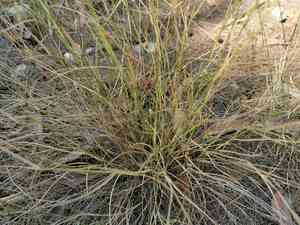
A persistent clump-forming grass, wanderrie-grass flourishes in arid, exposed environments. Trim in early spring or during winter to stimulate robust development. Eliminate withered or compromised leaves to sustain vitality. Trimming during its dormant phase lessens strain and optimizes recuperation. Consistent trimming improves air movement and lowers the likelihood of illness. This upkeep ensures wanderrie-grass remains thick and appealing, guaranteeing its unique fluffy seed heads charm in their native surroundings.
What Are the Benefits of Pruning Wanderrie-grass?
What Are the Benefits of Pruning Wanderrie-grass?
Trimming wanderrie-grass promotes robust development and helps maintain its desired shape. By eliminating old or excess parts, plants direct energy towards growing strong new leaves and stems, ensuring a healthy and attractive look.
What Is the Best Time for Pruning Wanderrie-grass?
What Is the Best Time for Pruning Wanderrie-grass?
Pruning wanderrie-grass in early spring is optimal, as it's just before new growth starts, allowing for the removal of dead or old material without harming the plant's health or bloom cycle. It also prevents unnecessary strain on wanderrie-grass, enabling the plant to recover and reallocate energy to new growth efficiently. Winter pruning is ideal because the plant is typically dormant, reducing the risk of disease spread. It also offers a chance to shape wanderrie-grass without leaves obstructing its form. These seasons are chosen based on wanderrie-grass's growth pattern to ensure the plant's health and vigor are maintained.
What Tools Do I Need to Prune Wanderrie-grass?
Bypass Pruners
Perfect for cutting through the slender, delicate stems of wanderrie-grass without crushing them. They create clean cuts that encourage good plant health.
Grass Shears
These are well-suited for trimming and shaping the foliage of wanderrie-grass, as they allow for precise cuts of the grass blades.
Handheld Pruning Saw
Useful for managing thicker stems or when wanderrie-grass forms dense clusters that require thinning. This tool will assist in cutting through tougher plant material.
Gardening Gloves
While not a cutting tool, gloves are crucial for protection when pruning wanderrie-grass, which may have sharp edges on its leaves.
How to Prune Wanderrie-grass
Identify disease
Thoroughly inspect wanderrie-grass to spot signs of disease or wilting in its leaves. Select leaves showing discoloration, spots, or decay.
Sterilize tools
Use sharp, sanitized pruning shears or scissors to prevent the spread of infections. Clean tools with alcohol or bleach solution before beginning.
Prune diseased
Carefully remove diseased leaves from wanderrie-grass by making clean cuts at the leaf's base where it connects to the stem. Avoid tearing to prevent damage to healthy sections.
Prune withered
Trim any withered leaves from wanderrie-grass in the same manner, cutting at the base for a clean removal. This will enhance air circulation and light exposure for healthier leaves.
Dispose material
Discard all removed diseased and withered material away from healthy plants to prevent any potential spread of disease or pests.
Common Pruning Mistakes with Wanderrie-grass
Over-pruning
Removing too much foliage at once can stress wanderrie-grass, potentially leading to stunted growth or even plant demise.
Blunt tools
Using dull or unsanitized cutting implements can cause jagged cuts, making wanderrie-grass more vulnerable to disease and pests.
Improper cut location
Cutting too far from the base or into the green tissue can harm wanderrie-grass, hindering quick recovery and regrowth.
Ignoring plant health
Pruning wanderrie-grass when it is weak or stressed due to environmental factors or pests can further compromise its vitality.
Neglecting tool clean-up
Failing to clean tools between uses can spread diseases from one plant to another during pruning sessions.
Common Pruning Tips for Wanderrie-grass
Sharp tools
Utilize sharp, clean pruning shears to ensure precise cuts that wanderrie-grass can easily recover from.
Cutting technique
Make cuts at a 45-degree angle just above a node to encourage healthy regrowth without leaving stubs that could decay.
Plant structure observation
Observe the natural growth pattern of wanderrie-grass to understand which areas can be trimmed without altering the plant's overall structure.
Gradual pruning
Prune wanderrie-grass incrementally over time rather than all at once to avoid placing it under undue stress.
Post-pruning care
Provide wanderrie-grass with sufficient water and nutrients after pruning to support healing and new growth.



