The Wanderrie-grass Plant Advantage: Maximizing Home and Office Appeal and Wellness
1
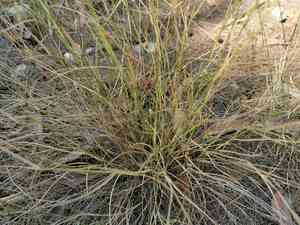
Wanderrie-grass provides substantial erosion prevention advantages because of its strong root network.
2
Wanderrie-grass serves as an enduring food supply for animals in dry and semi-dry regions.
3
Incorporating Wanderrie-grass into land restoration initiatives aids in revitalizing damaged terrains.
How Does Wanderrie-grass Improve Soil Condition?
Erosion Prevention
A primary advantage of Wanderrie-grass is its capability to prevent soil erosion. Its extensive, fibrous root network binds soil particles, reducing vulnerability to wind and water erosion. This is particularly crucial in areas susceptible to erosion from natural processes or farming. By preventing soil loss, Wanderrie-grass helps preserve soil fertility and structure.
Nutrient Circulation
Wanderrie-grass plays a key role in the ecosystem's nutrient cycle. Its roots not only stabilize the soil but also assist in the breakdown and absorption of organic matter, thereby enriching the soil with vital nutrients. This natural process helps maintain a healthy, fertile soil profile, benefiting subsequent planting cycles.
What is Wanderrie-grass's Role in Sustainable Farming?
Livestock Forage
Wanderrie-grass offers a dependable and nutritious food source for livestock, especially in arid and semi-arid regions where typical forage plants struggle. Its high drought tolerance ensures its availability as feed even in challenging conditions, thus supporting sustainable livestock management.
Cultivation Methods
Integrating Wanderrie-grass into crop rotation and mixed farming systems can boost overall farm output. Its use in intercropping lessens reliance on chemical inputs like fertilizers and pesticides by naturally enhancing soil health and providing ground cover that suppresses weed growth.
Can Wanderrie-grass Aid in Land Restoration?
Reclamation of Degraded Areas
Wanderrie-grass is highly effective in land restoration projects. Its ability to flourish in poor soils and harsh climates makes it an excellent choice for rehabilitating degraded landscapes. The plant's robust root system helps stabilize soil, promote water retention, and gradually enhance soil quality, facilitating the return of other plant species.
Biodiversity Enhancement
By introducing Wanderrie-grass to degraded areas, not only is soil health restored, but habitat conditions for other plant and animal species are also improved. This boost in biodiversity is crucial for ecosystem recovery, helping maintain ecological balance and support conservation efforts.
What Environmental Benefits Does Wanderrie-grass Provide?
Carbon Capture
Wanderrie-grass contributes positively to carbon sequestration, which is vital for mitigating climate change. The plant's growth captures atmospheric carbon dioxide and stores it in its biomass and the soil. While individual plants sequester small amounts, large-scale planting initiatives can have significant impacts.
Water Preservation
Wanderrie-grass's deep-rooting system aids in water conservation by improving soil porosity and reducing surface runoff. This helps maintain groundwater levels and ensures better water availability for other plants. Additionally, its drought resistance means it requires less water, making it a sustainable option for water-scarce regions.
Why Choose Wanderrie-grass for Eco-Friendly Practices?
Low Resource Needs
Wanderrie-grass requires minimal inputs to thrive, making it an economical choice for farmers and land managers. Its natural resilience reduces the need for chemical treatments and intensive care, aligning with sustainable agricultural practices that aim to lessen environmental impact.
Adaptability and Flexibility
The adaptability of Wanderrie-grass to various soil types and climatic conditions makes it a versatile plant for numerous applications. Whether for soil conservation, livestock feed, or land rehabilitation, Wanderrie-grass offers a reliable and sustainable solution, reinforcing its importance in modern agricultural and environmental strategies.



