How to Transplant Mediterranean lovegrass?
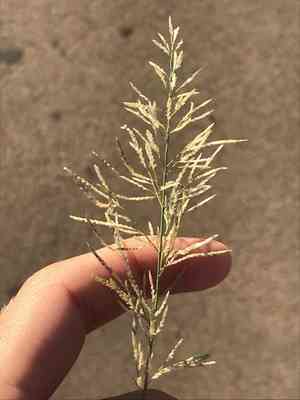
Mediterranean lovegrass flourishes when relocated during the 'early to mid spring' period, benefiting from ideal soil warmth and hydration. Select a bright spot with adequately draining soil for the transfer. Further recommendations involve verifying that the soil is pliable and nutrient-rich for superior outcomes.
Preparations Required Before Relocating Mediterranean Lovegrass
Optimal Timing for Transplanting Mediterranean Lovegrass
Mediterranean lovegrass, an annual, is ideally moved from early to mid-spring. This period offers prime soil warmth and increased daylight, fostering strong root development and vigorous growth. Transplanting then minimizes stress and maximizes the growing season's benefits, leading to a healthier, fuller appearance.
Recommended Spacing Between Mediterranean Lovegrass Plants
When transplanting mediterranean lovegrass, aim for a spacing of 12-18 inches (30-45 cm) between plants. This provides ample room for growth and prevents excessive competition for resources.
Best Soil Mixture for Mediterranean Lovegrass Transplantation
Prepare a well-draining soil blend with organic compost for transplanting mediterranean lovegrass. This plant thrives in light to medium textured soil. Incorporating a balanced base fertilizer will supply essential nutrients for healthy development.
Ideal Location for Relocating Your Mediterranean Lovegrass
Mediterranean lovegrass thrives in abundant sunlight, so select a site where it will receive full sun for at least 6-8 hours daily. This promotes robust growth and helps maintain its vibrant coloration.
Equipment Needed Before Transplanting Mediterranean Lovegrass
Gardening Gloves
To safeguard your hands while handling soil and plants.
Shovel or Spade
For excavating a hole in your garden and carefully lifting the plant from its original spot.
Trowel
Useful for precise digging around plant roots and in confined areas.
Watering Can
To hydrate the plant and ensure the soil is adequately moist.
Garden Fork
To gently loosen the soil surrounding the plant, especially when removing it from the ground.
Mulch
To aid in retaining soil moisture and inhibiting weed growth around the newly transplanted plant.
Method for Removing Mediterranean Lovegrass from the Soil
Method for Removing Mediterranean Lovegrass from the Soil
From Ground: First, moisten the soil around the mediterranean lovegrass plant. Then, excavate a wide trench around the plant using a shovel or spade, ensuring the root ball remains intact. Carefully work the spade beneath the root ball and lift the plant from its initial location.From Pot: Hydrate the mediterranean lovegrass plant to moisten the soil. Turn the pot on its side and gently tap the edges to loosen the soil. Carefully slide the plant out, supporting the root ball with your hand.From Seedling Tray: Water the seedlings to facilitate easier soil manipulation. Use a trowel or your fingers to gently loosen the soil around each seedling. Carefully lift each seedling by its leaves to avoid stem damage.
Detailed Guide for Transplanting Mediterranean Lovegrass
Prepare the Planting Hole
Dig a hole in your garden that is twice the width and the same depth as the mediterranean lovegrass plant's root ball. This provides ample room for root expansion.
Extract the Plant
Follow the appropriate removal procedure based on the plant's current location (ground, pot, or seedling tray). Ensure no damage occurs to the roots during this process.
Position the Plant
Gently place the mediterranean lovegrass plant into the prepared hole. Ensure the top of the root ball is level with the surrounding soil surface.
Backfill the Hole
Refill the hole with soil, gently firming it around the roots to eliminate air pockets without compacting it too tightly.
Water Thoroughly
Water the transplanted mediterranean lovegrass plant extensively to help settle the soil and provide moisture to its roots.
Apply Mulch
Spread a layer of mulch around the base of the plant to help retain moisture and suppress weeds.
Post-Transplanting Care for Mediterranean Lovegrass
Watering
Maintain consistently moist, but not waterlogged, soil around the mediterranean lovegrass for the initial few weeks after transplanting to encourage strong root development.
Monitor for Stress
Regularly inspect the plant for indications of transplant shock, such as wilting or yellowing foliage. If observed, ensure adequate watering and protect it from excessive sun or wind exposure.
Avoid Immediate Fertilization
Refrain from fertilizing the mediterranean lovegrass plant until it has firmly established itself in its new spot—typically after several weeks—to prevent root burn.
Resolving Common Issues with Mediterranean Lovegrass Transplantation
When is the ideal time to transplant mediterranean lovegrass?
The best period to transplant mediterranean lovegrass is from early to mid-spring.
What is the recommended spacing for mediterranean lovegrass?
Plant mediterranean lovegrass 12-18 inches (30-45 cm) apart for optimal growth and air circulation.
How should I prepare the soil for mediterranean lovegrass?
Ensure the soil is well-drained and enriched with compost for improved root development.
What if mediterranean lovegrass appears wilted after transplanting?
Keep the soil moist but not saturated, and provide some shade until it recovers.
What depth should the transplant hole be for mediterranean lovegrass?
Dig a hole as deep as the root ball and twice its width.
Can mediterranean lovegrass withstand transplant shock? How to alleviate it?
Mediterranean lovegrass can experience transplant shock. Water well and initially shield from intense sun.
Should I prune mediterranean lovegrass before transplanting?
Minor trimming of damaged roots or leaves can help reduce stress during transplantation.
How much water does mediterranean lovegrass require post-transplanting?
Water thoroughly after transplanting and keep the soil consistently moist for the first few weeks.
What is the optimal temperature range for transplanting mediterranean lovegrass?
Transplant mediterranean lovegrass when temperatures are between 50-75°F (10-24°C) for best outcomes.
How can I ensure mediterranean lovegrass establishes successfully after transplanting?
Mulch around mediterranean lovegrass, monitor soil moisture, and avoid disturbing roots to ensure establishment.



