The Mediterranean lovegrass Plant Advantage: Maximizing Home and Office Appeal and Wellness
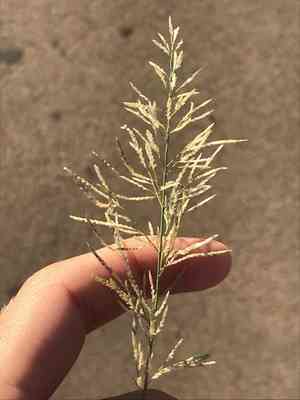
1
Mediterranean lovegrass is a water-wise grass perfect for arid-friendly landscapes.
2
This adaptable plant flourishes in diverse soil types.
3
Mediterranean lovegrass offers superb ground coverage, minimizing soil degradation.
Why Select Mediterranean lovegrass for Your Garden?
What Makes Mediterranean lovegrass Resistant to Drought?
A key advantage of Mediterranean lovegrass is its exceptional ability to withstand dry spells. This plant has evolved to endure arid environments, making it an ideal choice for water-saving landscaping. Its deep root system allows it to access moisture from lower soil strata, reducing the need for frequent irrigation and aiding gardeners in conserving water.
How Does Mediterranean lovegrass Flourish in Diverse Soil Conditions?
Mediterranean lovegrass exhibits remarkable adaptability concerning soil types. Whether your soil is sandy, clayey, or loamy, this plant can establish itself and thrive. Its robust growth across various soil compositions makes it a dependable option for gardeners seeking a resilient and flexible landscape. This versatility also means Mediterranean lovegrass can be a valuable asset in restoring disturbed or overused soils.
The Environmental Benefits of Mediterranean lovegrass
How Does Mediterranean lovegrass Reduce Soil Erosion?
The dense growth habit and root structure of Mediterranean lovegrass are highly effective in preventing soil degradation. By forming a thick ground cover, this plant stabilizes the earth and protects it from being washed away or dispersed by wind. This is particularly advantageous on slopes, riverbanks, or areas prone to erosion, helping to preserve soil integrity and structure over time.
What Role Does Mediterranean lovegrass Play in Supporting Biodiversity?
Mediterranean lovegrass offers shelter and sustenance for various animal species. Its seeds serve as a food source for birds, and its foliage provides cover for small creatures. Furthermore, by contributing to a more varied plant community, Mediterranean lovegrass helps sustain a broader array of insects and other organisms, ultimately fostering a healthier and more balanced ecosystem.
Integrating Mediterranean lovegrass into Your Landscape
Where Can You Plant Mediterranean lovegrass in Your Yard?
Mediterranean lovegrass is suitable for numerous landscaping applications. It can be utilized as ground cover, planted along borders, or even employed to create a natural meadow aesthetic. Its capacity to grow in different light exposures, from full sun to partial shade, makes it a versatile addition to any garden setting. Additionally, its low-maintenance nature means you can enjoy a lush, green area with minimal effort.
What Are the Upkeep Requirements for Mediterranean lovegrass?
Maintaining Mediterranean lovegrass is straightforward and demands little effort. Consistent watering during the initial establishment period will help the plant take root, but once mature, it requires infrequent irrigation. Occasional mowing or trimming will keep it neat, and periodic fertilization can enhance its growth and vitality. By following these simple steps, you can ensure that Mediterranean lovegrass remains a robust and attractive feature in your garden.



