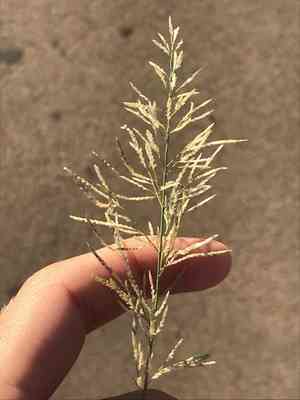
Mediterranean lovegrass (Eragrostis barrelieri)
Also known as: Mediterranean Lovegrass, Barrelers Lovegrass
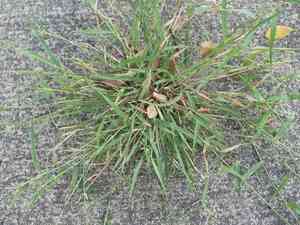
Mediterranean lovegrass, known for its clumped and tufted appearance, flourishes in well-drained, sandy or loamy soils. This perennial grass features slender, upright stems crowned with airy seed heads that sway gracefully. Its fine, blue-green leaves add to its elegant look, making it a standout in dry, open areas where it typically grows.
In This Article
Attributes of Mediterranean lovegrass
Lifespan
Annual
Plant Type
Grass
Plant Height
40-70 cm
Spread
Not applicable, as it is a grass species without a distinct crown.
Leaf Color
Green
Flower Size
0.1-0.2 cm
Flower Color
Green to purplish
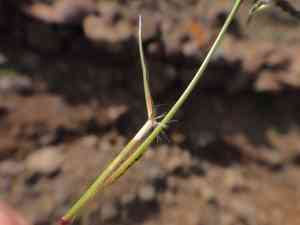
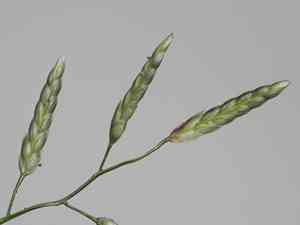
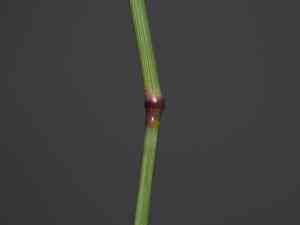
Images of Mediterranean lovegrass
Quickly Identify Mediterranean lovegrass
1
This grass can be identified by its thin, wiry stems and fine, delicate leaves. The inflorescence is an open panicle with small, spikelet clusters. Usually, the spikelets are greenish or purplish in color.
Scientific Classification of Mediterranean lovegrass
Phylum
Vascular plants
Class
Monocotyledons
Order
Poales
Family
Grass
Genus
Lovegrasses
Species
Mediterranean lovegrass
Planting and Growing of Mediterranean lovegrass
Care Difficulty
Easy
Watering Schedule
Every 2 days
Sunlight Requirements
Full sun
Sunshine Duration
4-8 hours
Ideal Temperature
60-75℉
Soil Type
Potting Mix, Peat Mix
Soil pH
6.5-7.5
Fertilizer Type
Balanced
Pruning Season
Spring, Summer
Pruning Area
Branches, Leaves
Pruning Frequency
2 times a year
Repotting Season
Spring
Pot Type
Terracotta, Plastic
 How to Water Mediterranean lovegrass?
When watering Eragrostis barrelieri, ensure that you use approximately 250 ml of water per session. The soil should be allowed to dry out in between watering sessions since this plant's roots do not fare well in consistently moist environments.
What are the symptoms of an underwatered Mediterranean lovegrass?
›
What should I do if my Mediterranean lovegrass is not getting enough water?
›
What are the symptoms of an overwatered Mediterranean lovegrass?
›
How to save an overwatered Mediterranean lovegrass?
›
 What Are the Sunlight Requirements for Mediterranean lovegrass?
Eragrostis barrelieri prefers full to partial sun exposure, typically between 6 to 8 hours daily. Ideal lighting not only strengthens the plant but also accentuates its textural qualities and vibrant green color.
What type of light is ideal for Eragrostis barrelieri?
›
How to ensure Eragrostis barrelieri receives enough light?
›
What benefits does sufficient light provide to Eragrostis barrelieri?
›
 What Is the Ideal Temperature Range for Mediterranean lovegrass?
Eragrostis barrelieri thrives best between temperatures of 60 and 75 degrees Fahrenheit. These conditions allow for optimal photosynthesis and respiration, promoting healthy plant metabolism and growth.
 What Soil is Best for Mediterranean lovegrass?
Eragrostis barrelieri thrives in well-drained soil, which helps to prevent waterlogging and root rot. This type of soil allows for proper air circulation around the roots, promoting healthy growth and vigorous plants. This plant prefers soil with moderate fertility, ensuring it receives enough nutrients without overwhelming its delicate structure. A balanced nutrient level supports lush foliage and robust growth patterns. A sandy soil texture aids in quick drainage and prevents the accumulation of excess moisture, which can lead to fungal infections. Sandy texture also supports easier root penetration, encouraging strong root systems.
 How to Fertilize Mediterranean lovegrass?
For Eragrostis barrelieri, use a balanced fertilizer with an NPK ratio of 10-10-10. Apply 1 teaspoon per gallon of water for liquid fertilizers, ensuring that it is well-dissolved before application to avoid root burn.
 How to Prune Mediterranean lovegrass?
Begin by identifying dead or withered stems and leaves. 2. Trim these back to the base. 3. Lightly shape by trimming protruding strands, ensuring not to cut more than one-third of the plant at a time to maintain health. Eragrostis barrelieri responds well to conservative pruning, which encourages denser growth. Regular trimming can enhance the plant's natural form and can prevent it from becoming unruly.
 How to Propagate Mediterranean lovegrass plant?
1
Collect seeds from ripe seed heads in late summer. Ensure seeds are fully mature and dry them thoroughly before storage. This will enhance their viability for spring sowing.
2
In early spring, sow seeds in seed trays filled with seed-starting mix. Lightly cover the seeds with soil and mist with water to keep the top layer damp. Place trays in a warm area with good light exposure.
3
Divide mature plants in early summer. Dig out the entire clump using a garden fork, carefully separate it into smaller sections with roots and shoots, and replant them in prepared soil beds.
 How to Repot Mediterranean lovegrass plant?
1
The ideal time to repot Eragrostis barrelieri is when you notice it becoming root-bound or when growth has significantly slowed. Typically, this occurs every 2-3 years. Look for roots emerging from the drainage holes or a plant that appears too large for its pot.
2
Select a pot that is one size larger than the current one and has sufficient drainage holes. The extra space allows the roots to have ample room to grow, promoting healthy expansion. Good drainage prevents waterlogging, a common issue that can lead to root rot.
3
Opt for a well-draining sandy mix that mimics the plant's natural habitat. Such soil provides the right balance of aeration and moisture retention, preventing root suffocation while ensuring the plant receives adequate nutrients and water.



