How to Transplant Thalia lovegrass?
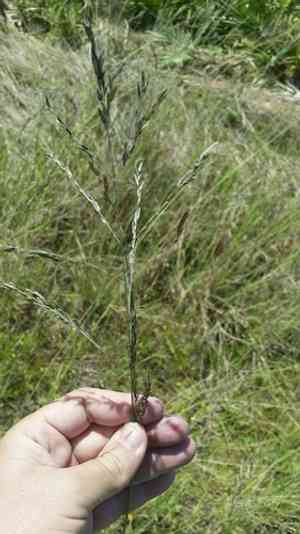
Relocate thalia lovegrass when spring's warmth is fully established, preferably as the season reaches its peak. Select a bright location featuring soil that drains effectively. Carefully guide the roots into their new environment, providing consistent moisture as they acclimate.
What Preparations are Needed Before Transplanting Thalia Lovegrass?
What is the Ideal Time for Transplanting Thalia Lovegrass?
Choose the renewal period of early to mid-spring for relocating thalia lovegrass. This timing ensures the ground is sufficiently warm for root development without the stress of summer heat. Furthermore, moving thalia lovegrass during this window maximizes the upcoming growth cycle, allowing ample time for roots to strengthen. It's the perfect chance for thalia lovegrass to thrive, as the mild temperatures and spring rainfall encourage vigorous growth. Utilizing spring's nurturing conditions can lead to a more robust and flourishing thalia lovegrass.
How Much Space Should You Leave Between Thalia Lovegrass Plants?
When relocating thalia lovegrass, provide each plant with ample room to grow! Position them approximately 15-18 inches (38-45 cm) apart. This prevents overcrowding, promoting healthy development.
What is the Best Soil Mix for Thalia Lovegrass Transplanting?
Before introducing thalia lovegrass to your garden, incorporate organic matter to enrich the soil and a balanced, slow-release fertilizer for a strong start. They flourish in well-drained soil, which keeps their roots healthy!
Where Should You Relocate Your Thalia Lovegrass?
Select a location for thalia lovegrass where sunlight is abundant. Full sun is optimal, meaning at least 6 hours of direct sunlight daily to maintain your thalia lovegrass's vibrancy.
What Equipments Should You Prepare Before Transplantation Thalia Lovegrass?
Gardening Gloves
To safeguard your hands while handling soil and plants.
Spade or Shovel
For excavating the plant from its original spot.
Garden Fork
To loosen the soil surrounding the plant's root ball.
Watering Can or Hose
To hydrate the plant before and after relocation.
Wheelbarrow or Plant Tray
For moving the plant from one area to another.
Pruners
To trim any damaged roots or foliage.
Measuring Tape
To ensure correct spacing between plants during transplantation.
How Do You Remove Thalia Lovegrass from the Soil?
How Do You Remove Thalia Lovegrass from the Soil?
From Ground: Hydrate the thalia lovegrass plant to moisten the soil. Use a spade or shovel to dig a wide trench around the plant, being careful not to harm the root ball. Gradually work the tool beneath the root ball and gently lift the plant from the ground.From Pot: Water the thalia lovegrass thoroughly. Tilt the container sideways and tap its sides to loosen the root ball. Place your hand over the soil surface with the plant stem between your fingers and invert the pot. Carefully pull the pot away from the root ball.From Seedling Tray: Water the seedlings to make the soil damp. Use a dibbler or small implement to carefully lift each seedling by its leaves, not the stem, to prevent damage. Ensure to retain as much soil around the roots as possible.
Step-by-Step Guide for Transplanting Thalia Lovegrass
Plant Preparation
Before extracting thalia lovegrass from its current spot, ensure it is well-watered to minimize stress during relocation.
Digging Hole
Excavate a hole in the new location that is twice as wide and the same depth as the root ball of your thalia lovegrass plant to provide ample space for root expansion.
Plant Removal
Following the correct removal procedure, carefully extract thalia lovegrass from its original position, keeping the root ball intact.
Placing in Hole
Position thalia lovegrass in the newly dug hole. The base of the stem should be level with the surrounding soil surface.
Soil Refill
Backfill the hole with soil around the root ball, gently tamping it down to eliminate air pockets without over-compacting the soil.
Watering
After transplanting, water thalia lovegrass generously to settle the soil and provide moisture for the roots.
Mulching
Apply a layer of mulch around the base of thalia lovegrass to help retain moisture and regulate soil temperature.
How Do You Care For Thalia Lovegrass After Transplanting?
Watering
Provide thalia lovegrass with consistent watering, especially during the initial growing season, to aid in establishing a strong root system.
Mulching
Maintain a layer of mulch around the thalia lovegrass to conserve soil moisture and reduce competition from weeds.
Pruning
Trim any broken or damaged foliage to direct the thalia lovegrass's energy towards root and new shoot development.
Monitoring
Observe the thalia lovegrass for indications of transplant shock, such as wilting or yellowing, and address them promptly.
Troubleshooting Common Issues with Thalia Lovegrass Transplantation.
What's the best time to transplant thalia lovegrass?
The ideal transplanting period is during early to late spring when growth is vigorous.
How far apart should I space thalia lovegrass when transplanting?
Space thalia lovegrass approximately 15-18 inches (38-45 cm) apart to ensure they have adequate room to thrive.
What soil conditions are best for transplanting thalia lovegrass?
Select well-draining soil rich in organic matter to encourage healthy root growth for thalia lovegrass.
How deep should I plant the roots of thalia lovegrass?
Plant thalia lovegrass so that its crown is at soil level, ensuring roots are spread out and covered.
How much should I water thalia lovegrass after transplanting?
Water thalia lovegrass immediately after transplanting to settle the soil and continue with moderate watering until established.
Should I fertilize thalia lovegrass when transplanting?
Delay fertilizing thalia lovegrass for a few weeks, allowing them to acclimate to their new location first.
Why are the leaves of thalia lovegrass wilting after transplant?
Temporary wilting is normal; ensure sufficient water and avoid direct sunlight for a few days.
Do I need to prune thalia lovegrass when transplanting?
No severe pruning is necessary, just remove any dead leaves to help focus growth on root establishment.
Is it necessary to mulch around thalia lovegrass post-transplant?
Adding mulch can help retain moisture and regulate soil temperature, assisting thalia lovegrass's adjustment.
My thalia lovegrass isn't thriving post-transplant, why?
Ensure proper planting depth, spacing, sunlight, water, and check for signs of pests or diseases.



